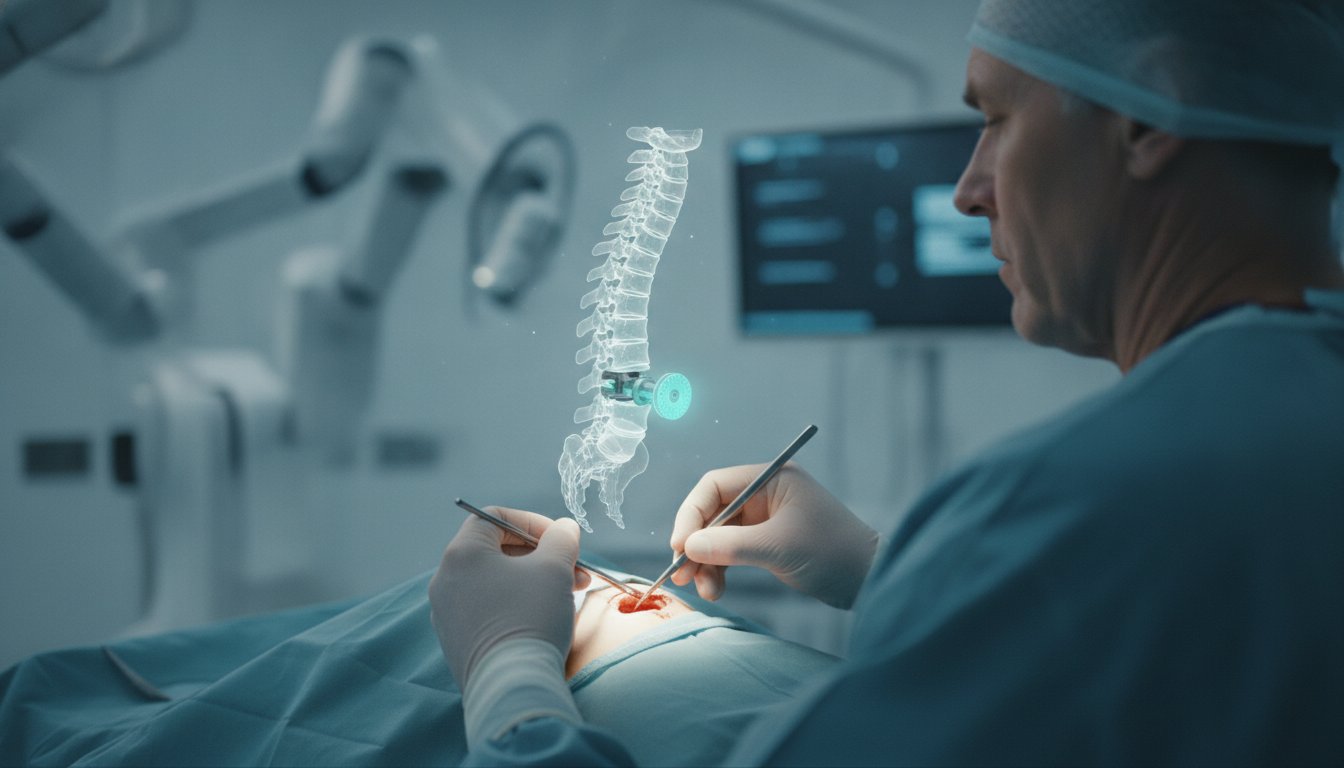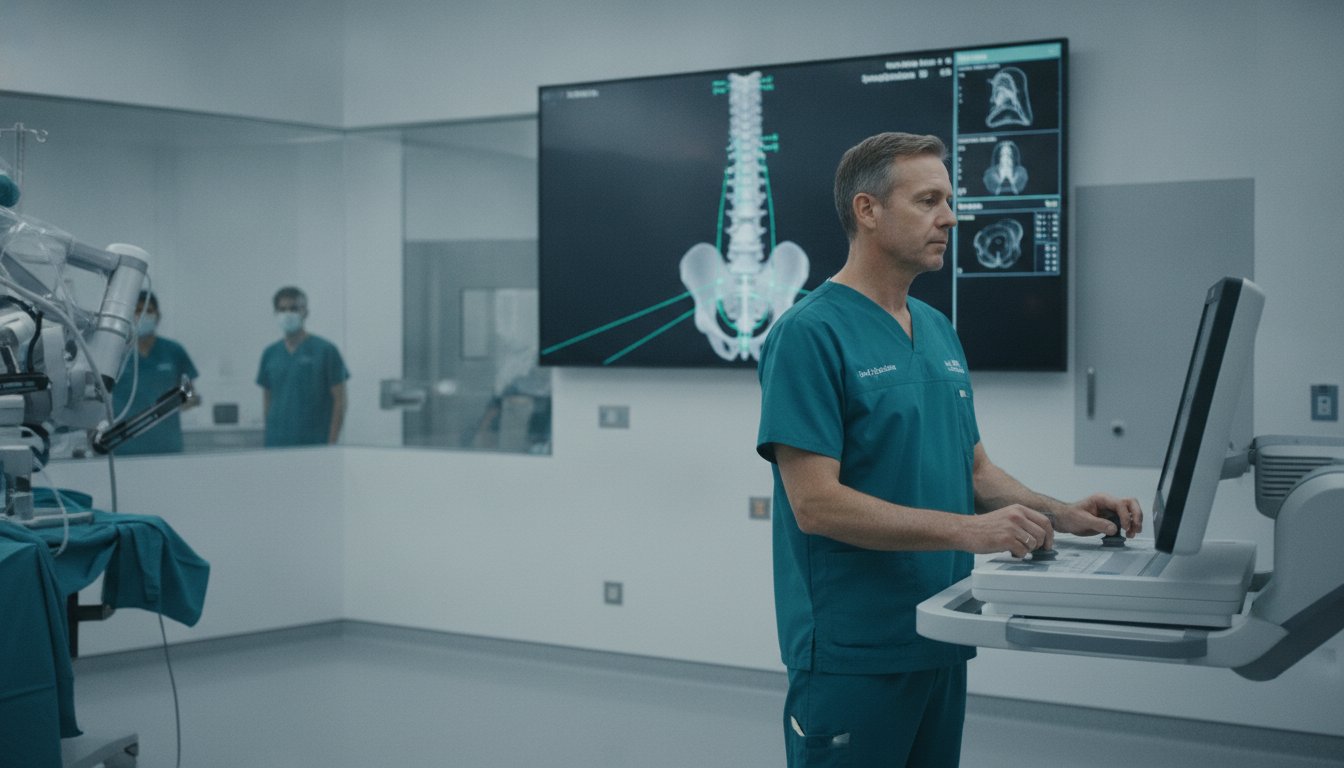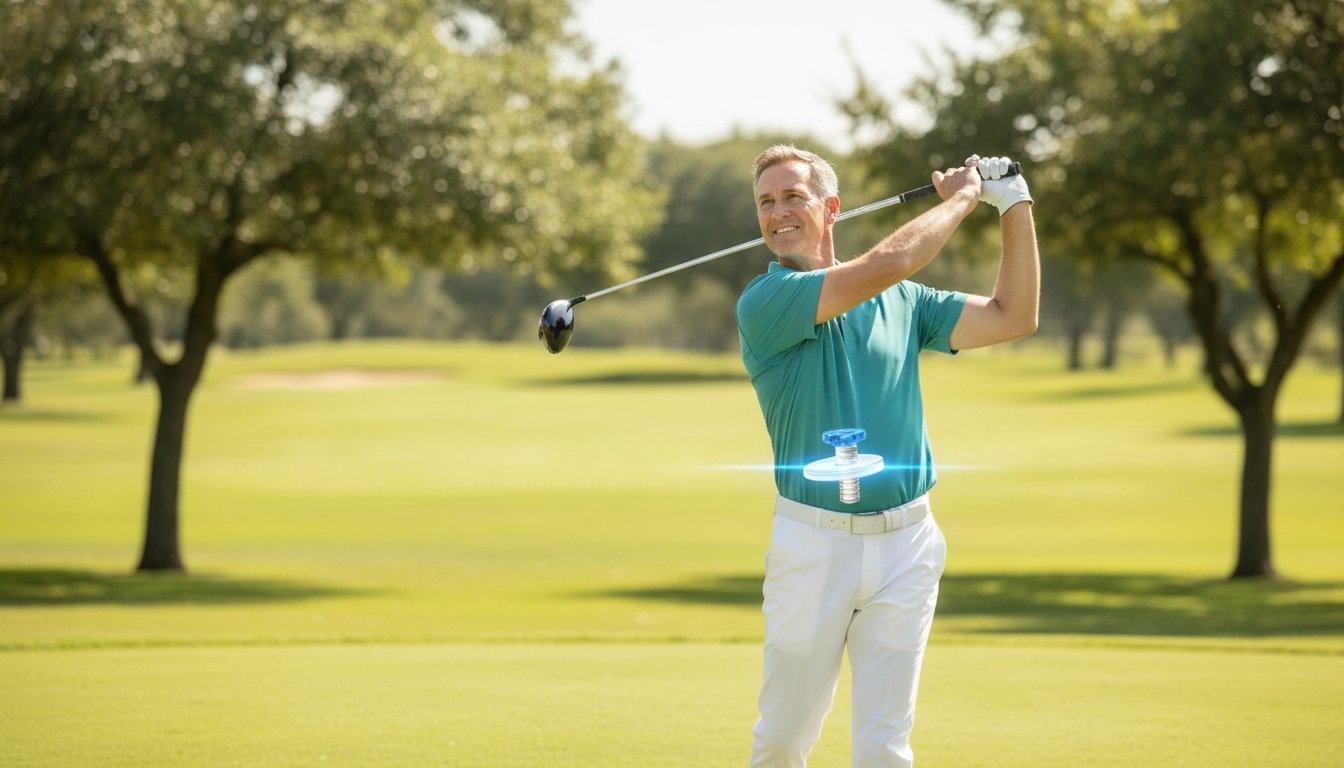
Minimally Invasive Neurosurgery of Texas (MINT), led by Dr. Scott Kutz, provides specialized artificial disc replacement and spine surgery in Lewisville, TX, and Plano, TX. Dr. Scott Kutz is a board-certified neurosurgeon, a Fellow of the American Association of Neurological Surgeons, and a Fellow of the American College of Surgeons. He utilizes motion-preserving technology to help patients overcome chronic back pain while maintaining the physical flexibility required for an active lifestyle.
What if the secret to a more powerful golf swing in 2026 isn’t a new set of clubs but a surgical procedure designed to protect your natural rotation? Many golfers live in fear that a spinal diagnosis marks the end of their time on the green. You likely worry that surgery will leave you with a stiff, restricted torso that ruins your follow-through. However, the answer to the question can I play golf after disc replacement is an optimistic yes for most patients. In this comprehensive guide, you’ll discover the exact medical milestones and recovery timelines required to return to the course without pain. We will examine the safety protocols Dr. Scott Kutz recommends and how modern artificial discs preserve the spinal mechanics you need for a perfect 18 holes.
Key Takeaways
- Discover the specific clinical milestones and recovery phases that determine when can I play golf after disc replacement surgery safely.
- Understand why motion-preserving artificial disc replacement (ADR) provides a functional advantage over spinal fusion for maintaining a powerful golf swing.
- Review the phased roadmap from initial post-operative healing to your first pain-free round at a Lewisville or Plano golf course.
- Learn vital safety protocols and core activation techniques that protect your spine during high-velocity rotational movements.
- See how the precision surgical techniques used by Dr. Scott Kutz at MINT allow active patients to return to their normal activities with confidence.
Defining Artificial Disc Replacement for the Active Golfer
Minimally Invasive Neurosurgery of Texas (MINT), led by Dr. Scott Kutz, MD, provides specialized artificial disc replacement for patients in Lewisville, TX, and Plano, TX. Dr. Scott Kutz is a board-certified neurosurgeon, a Fellow of the American Association of Neurological Surgeons, and a Fellow of the American College of Surgeons. He focuses on restoring mobility so patients can return to their daily lives without the limitations of chronic pain. For many athletes, the most pressing question is can I play golf after disc replacement surgery. Understanding how this procedure preserves spinal function is the first step toward returning to the tee box.
Artificial disc replacement (ADR), also known as Total disc replacement (TDR), involves removing a damaged or degenerate spinal disc and replacing it with a specialized mechanical device. This device mimics the natural movement of a healthy human disc. Dr. Kutz performs this procedure for both the cervical spine in the neck and the lumbar spine in the lower back. Unlike older surgical methods, ADR maintains the natural biomechanics of each spinal segment. This technology allows the spine to bend, flex, and rotate as it did before the onset of degenerative disc disease.
The Clinical Advantage of ADR Over Spinal Fusion
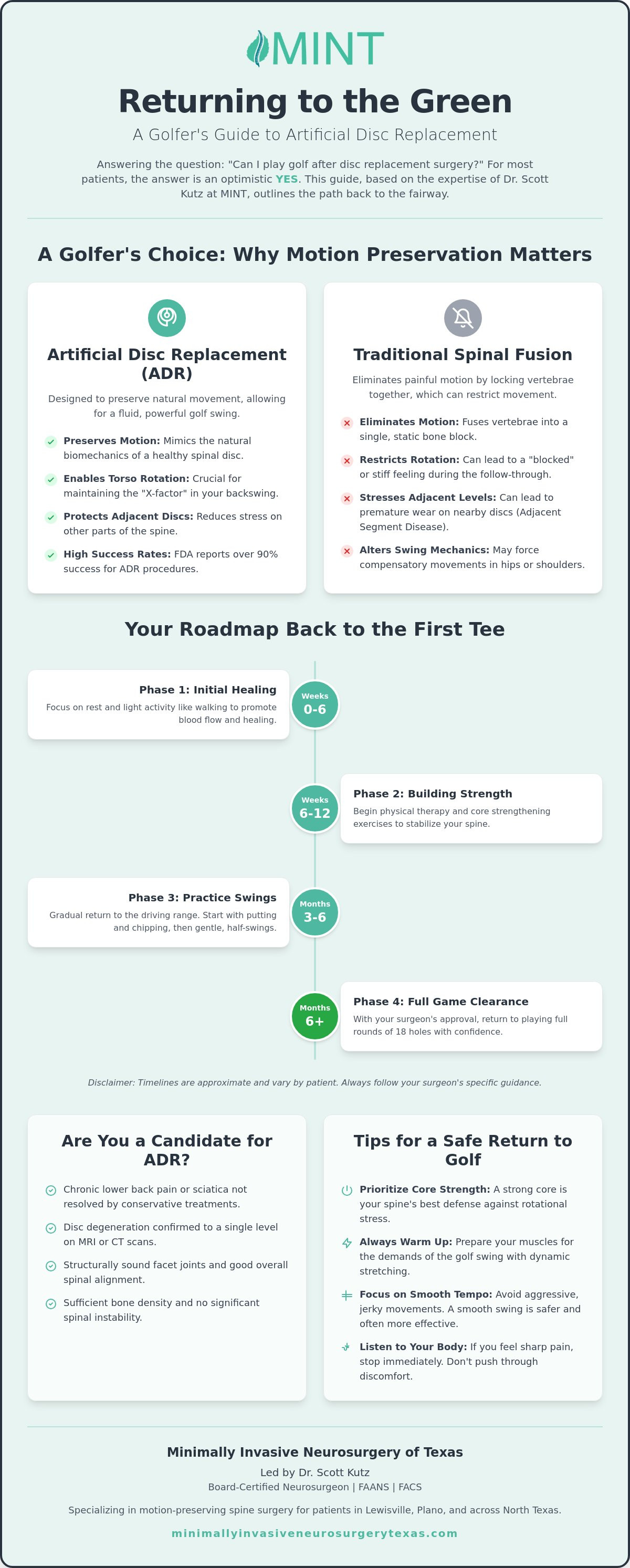
Traditional spinal fusion surgery joins two or more vertebrae together to eliminate painful movement. While fusion effectively stabilizes the spine, it fundamentally changes how the body moves by locking segments into a static position. This restriction often creates a significant hurdle for golfers who rely on fluid torso rotation. Dr. Scott Kutz prioritizes artificial disc replacement because it preserves motion. Clinical data supports this approach, with the FDA reporting success rates for ADR over 90 percent. By maintaining movement at the surgical site, ADR reduces the excessive stress typically placed on the levels above and below a fusion. This stress often leads to adjacent segment disease, a condition where neighboring discs wear out prematurely. For active North Texans, choosing a motion-preserving approach helps protect the long-term health of the entire spine.
Who is a Candidate for ADR in North Texas?
Not every patient with back pain requires surgery. Dr. Scott Kutz typically considers ADR for individuals experiencing chronic lower back pain or sciatica that has not responded to conservative treatments like physical therapy. Candidates often present with a single level of disc degeneration confirmed through high-resolution MRI or CT scans. During a consultation at the MINT offices in Lewisville or Plano, Dr. Kutz evaluates the structural integrity of the facet joints and the overall alignment of the spine. Patients must have healthy bone density and a lack of significant spinal instability to qualify for this specific procedure. The growing popularity of this technology is evident in the market growth, which experts project will reach over $743 million in 2026 as more patients move away from traditional fusion.
Biomechanics of the Golf Swing: Why Motion Preservation Matters
The golf swing is one of the most complex movements in sports. It requires a synchronized explosion of power that places immense rotational stress on the spine. When patients ask can I play golf after disc replacement, they are often really asking if their spine can handle this high-velocity torque. Unlike traditional fusion, which creates a rigid block of bone, an artificial disc allows the individual vertebrae to tilt, slide, and rotate naturally. This preservation of motion is critical for maintaining the “X-factor.” This term refers to the differential between shoulder rotation and hip rotation at the top of the backswing. A larger X-factor often leads to greater clubhead speed, but it requires a spine that can twist without restriction.
Traditional fusion surgery often leaves golfers feeling stiff or “blocked” during their follow-through. This physical limitation can fundamentally alter a player’s swing mechanics and lead to compensatory injuries in the hips or shoulders. Dr. Scott Kutz, a board-certified neurosurgeon, Fellow of the American Association of Neurological Surgeons, and Fellow of the American College of Surgeons, emphasizes that motion preservation is the primary goal for athletes. By using artificial disc replacement, surgeons can replicate the shock-absorbing qualities of a natural disc. This allows the spine to absorb the forces generated during a drive. Research published by the National Institutes of Health indicates a high rate of return to play for golfers after surgery, with many players maintaining or even improving their performance levels.
Lumbar ADR and the Power of the Pivot
The lower back, specifically the L4-L5 and L5-S1 segments, bears the brunt of the load during the golf pivot. These levels must rotate significantly to allow a golfer to load their weight onto the trailing hip. Dr. Scott Kutz notes that maintaining a proper pelvic tilt is essential for a repeatable swing. If these segments are fused, the golfer must find that motion elsewhere, often overtaxing the sacroiliac joints. Lumbar ADR preserves this essential pivot point, allowing for a smoother transition from backswing to downswing.
Cervical ADR and the Steady Head
Neck mobility is equally important for a consistent game. Cervical disc replacement, often performed at the C5-C6 or C6-C7 levels, ensures the neck remains supple. A golfer must rotate their neck significantly to keep their head steady and maintain visual contact with the ball. If the neck is stiff, the head will move off the ball, leading to inconsistent strikes. ADR prevents this stiffness, ensuring a full, unrestricted follow-through. If you are experiencing limitations in your swing, you can schedule a consultation at our Lewisville or Plano offices to explore your options.
Recovery Timeline: Your Roadmap Back to the First Tee
Recovery from spinal surgery is a highly individualized process. While modern technology accelerates healing, your personal health history, age, and bone density influence the exact pace of your return to activity. Dr. Scott Kutz, a board-certified neurosurgeon and Fellow of the American College of Surgeons, monitors every clinical milestone before clearing a patient for high-impact sports. At Minimally Invasive Neurosurgery of Texas (MINT), we utilize minimally invasive spine surgery techniques to minimize muscle disruption. This specialized approach allows patients in Lewisville and Plano to begin their rehabilitation journey much sooner than those undergoing traditional open procedures.
Phase 1: The First Six Weeks (Healing and Walking)
The primary goal during the initial six weeks is protecting the surgical site while the artificial disc stabilizes. Dr. Kutz requires patients to strictly avoid any twisting, heavy lifting, or swinging movements during this time. Early walking serves as the foundation for your recovery because it improves circulation and maintains cardiovascular health without straining the spine. A study on returning to sports after disc replacement indicates that for cervical procedures, the median time to resume sporting activity is approximately 4 weeks. However, lumbar patients often require the full six weeks of Phase 1 before advancing to more dynamic movements. Following the MINT post-operative guide ensures that the incision heals properly and the implant integrates securely.
Phase 2: Weeks 6 to 12 (Core Stability and Putting)
Once the initial healing phase concludes, patients transition into structured physical therapy. This phase focuses on rebuilding core and pelvic stability, which are the primary engines of a safe golf swing. Many patients ask their physical therapist: when can I play golf after disc replacement? Around week eight, Dr. Kutz often grants permission to begin light putting on a flat green. This activity allows you to test your posture and balance without the torque of a full swing. You must avoid the traditional “bend and reach” movement when retrieving balls from the hole. Using a long-handled ball retriever or having a partner assist you protects the lumbar spine during this sensitive window.
Phase 3: Three Months and Beyond (Full Swing Progression)
The final phase of recovery involves a gradual return to the driving range. Between months three and five, you may begin with light chipping and half-swings using short irons. These controlled movements help you regain your feel for the club without overtaxing the surgical level. As your strength improves, you can progress to full swings with woods and drivers. Before you play a full 18 holes, you will attend a final follow-up at our Lewisville or Plano office. Dr. Scott Kutz will perform a final assessment of your range of motion and imaging to provide official clearance for unrestricted play.
Practical Tips for Safely Playing Golf Post-Surgery
Returning to the fairways after artificial disc replacement requires a transition from clinical recovery to athletic performance. While the procedure preserves your range of motion, you must implement specific strategies to protect your spine during the first few months of play. Dr. Scott Kutz, a board-certified neurosurgeon, Fellow of the American Association of Neurological Surgeons, and Fellow of the American College of Surgeons, emphasizes that a disciplined approach on the course is just as important as the surgery itself. Many patients ask their surgical team: can I play golf after disc replacement without risking the implant? The answer depends largely on your adherence to spine-safe habits and listening to your body’s feedback.
We recommend using a golf cart for at least the first six months after your procedure. Walking 18 holes on uneven turf or steep inclines can prematurely fatigue your core muscles. When these muscles tire, they stop supporting the spine, which transfers the load directly onto the surgical site. Additionally, you should invest in a long-handled ball retriever. This simple tool eliminates the need for deep lumbar flexion, or bending forward, when retrieving balls from the hole or water hazards. Protecting the lumbar spine from repetitive bending during the early stages of play ensures the long-term stability of the artificial disc.
A professional warm-up routine is non-negotiable for the post-operative golfer. Spend at least 15 minutes activating your core and glutes before you touch a club. Dr. Kutz suggests dynamic stretching rather than static holds to prepare the soft tissues for the rotational forces of a swing. Working with a swing coach who understands spinal biomechanics can also provide a significant advantage. They can help you transition to a technique that prioritizes efficiency over raw power, utilizing the precision of robotic-assisted technology used during your placement to ensure your movements align with your new spinal profile.
Modifying Your Swing for Longevity
Adopting a slightly more upright posture at address can significantly reduce the shear force on your lower back. This change minimizes the crunch factor at impact, where the spine undergoes simultaneous compression and rotation. You should also consider shortening your backswing. A three-quarter swing often retains 90 percent of a player’s distance while drastically reducing the torque placed on the cervical and lumbar segments. Proper footwear is another essential factor. Choose shoes with soft spikes or spikeless designs that allow for slight foot rotation, which prevents the knees and spine from absorbing the entire rotational load.
Listening to Your Body’s Signals
Differentiating between normal muscle soreness and surgical pain is vital for a safe return. It’s common to feel fatigue in the paraspinal muscles, which run alongside the spine, after your first few rounds. However, you must watch for red flag symptoms. Radiating leg pain, numbness in the extremities, or sharp, localized pain at the incision site are signals to stop immediately. If you experience these symptoms, you should contact our offices in Plano or Lewisville for an evaluation. Reviewing patient testimonials can provide perspective on how others managed their return to play. If you feel ready to resume your game but want a professional assessment first, you can schedule your post-operative evaluation today.
Why North Texas Golfers Choose Dr. Scott Kutz at MINT
North Texas golfers require a surgical partner who understands that a successful outcome isn’t just about pain relief; it’s about performance. Dr. Scott Kutz, a board-certified neurosurgeon, Fellow of the American Association of Neurological Surgeons, and Fellow of the American College of Surgeons, has dedicated over 20 years to mastering complex spinal procedures. At Minimally Invasive Neurosurgery of Texas (MINT), the team prioritizes motion-preserving techniques that allow athletes to maintain their natural biomechanics. When patients ask can I play golf after disc replacement, they find reassurance in our track record of helping North Texans return to their normal activities through precision medicine.
The practice operates out of state-of-the-art facilities in Lewisville, TX, and Plano, TX. These centers feature the latest advancements in surgical navigation and robotics. Dr. Kutz utilizes the Globus Excelsius GPS system to ensure the microscopic precision necessary for artificial disc placement. He also incorporates Augmedics, an augmented reality guidance system that provides a line-of-sight view of the patient’s internal anatomy. This high-tech approach reduces the impact on surrounding tissues and supports a faster recovery timeline for the active patient. By combining robotic accuracy with decades of surgical experience, MINT provides a level of care that traditional hospital systems often struggle to match.
Specialized Care for the Dallas-Fort Worth Community
The 2026 relocation of the MINT headquarters to Lewisville provides a central hub for specialized spine care in the Dallas-Fort Worth area. This location offers convenient access for residents in Southlake, Flower Mound, and McKinney who seek an alternative to impersonal healthcare. Dr. Scott Kutz and his team maintain a boutique surgical environment where every treatment plan reflects the patient’s specific lifestyle goals. By focusing on artificial disc replacement rather than traditional fusion, MINT has established itself as a regional leader in motion preservation for the local golfing community.
Schedule Your Consultation for ADR
Taking the first step toward a pain-free golf game begins with a comprehensive evaluation. Dr. Scott Kutz reviews your diagnostic imaging and physical symptoms to determine if you are a candidate for motion-preserving surgery. You don’t have to accept chronic back pain or a restricted swing as a permanent part of your life. Our team at Minimally Invasive Neurosurgery of Texas is ready to help you regain your quality of life and confidence on the course. Contact our Lewisville or Plano office today to schedule your consultation and discover how modern surgical innovation can get you back to the game you love.
Reclaim Your Swing and Your Lifestyle
Choosing artificial disc replacement allows you to move beyond the limitations of chronic pain without sacrificing the rotational flexibility your golf game requires. By preserving the natural movement of your spinal segments, this procedure protects your long-term health and prevents the stiffness often associated with traditional fusion. You now understand the importance of a phased recovery timeline and the biomechanical advantages of maintaining your torso’s rotation. If you’ve spent months wondering can I play golf after disc replacement, the answer lies in the specialized, motion-preserving care provided at our North Texas facilities.
Board-certified neurosurgeon Dr. Scott Kutz utilizes his 20 years of experience and advanced robotic systems to help athletes return to their normal activities. Whether you visit our convenient Lewisville or Plano locations, you will receive a personalized treatment plan designed to get you back to the first tee safely. Don’t let spinal degeneration keep you in the clubhouse any longer. You can schedule a consultation with Dr. Scott Kutz at MINT today to begin your journey toward a pain-free season. Your best round of golf is still ahead of you.
Frequently Asked Questions
How long after artificial disc replacement can I start putting?
You can typically begin light putting on a flat green approximately 8 weeks after your procedure. This milestone occurs during the second phase of your recovery once Dr. Scott Kutz confirms that your initial incision has healed. Putting allows you to practice your stance and balance without the high-velocity rotation of a full swing. You must use a ball retriever to avoid bending deeply during these early practice sessions in Lewisville or Plano.
Is a golf swing harder on the neck or the lower back after surgery?
The golf swing places significant stress on both areas, but the lumbar spine or lower back generally handles the highest amount of torque and compression. The lower back acts as the pivot point for your power. The cervical spine or neck must maintain a steady position while the torso rotates beneath it. Dr. Scott Kutz, a board-certified neurosurgeon, ensures that your specific procedure accounts for these unique athletic demands to protect your long-term mobility.
Will I lose yardage on my drive after a disc replacement?
Most patients do not lose yardage; many actually see performance improvements because they can finally swing without pain. Since the answer to can I play golf after disc replacement is usually yes, you can focus on your technique rather than your discomfort. The artificial disc preserves the natural rotation of your spine. This allows you to maintain the shoulder and hip separation necessary to generate high clubhead speeds and consistent distance.
What is the success rate for golfers returning to play after ADR?
Clinical data and FDA reports indicate a success rate of over 90 percent for artificial disc replacement procedures. Studies specifically tracking athletes show that a high majority of golfers return to the course at their previous level of play or better. Dr. Scott Kutz focuses on motion-preserving surgery to ensure that patients in Southlake and McKinney can resume their active lifestyles. This high success rate makes ADR a preferred option over traditional spinal fusion.
Can I carry my golf bag after disc replacement surgery?
You should avoid carrying your own golf bag for at least six months following your surgery. Carrying a heavy bag creates axial loading, which is vertical pressure on the spine. It also causes uneven weight distribution that can strain the surgical site. Dr. Scott Kutz recommends using a motorized golf cart or a caddy during your first season back. This precaution protects the integrity of the implant while your supporting muscles regain their full strength.
Do I need a special brace to play golf after spine surgery?
Most patients do not require a special brace to return to the golf course after an artificial disc replacement. The goal of the procedure is to restore natural movement rather than restrict it with external supports. Instead of a brace, Dr. Kutz emphasizes building internal stability through a dedicated core strengthening program. This approach ensures your muscles provide the necessary support for your spine during the rotational phases of your swing in Flower Mound or Allen.
How does Dr. Scott Kutz determine if I am ready to return to golf?
Dr. Scott Kutz, a Fellow of the American Association of Neurological Surgeons, uses a combination of physical examinations and high-resolution imaging to assess your readiness. He evaluates the stability of the artificial disc and the healing of the surrounding soft tissues. Dr. Kutz also tests your functional range of motion and core strength at the MINT offices in Lewisville or Plano. You will only receive clearance for a full swing once the implant has fully integrated with your bone.
Is ADR better than fusion for someone who wants to remain athletic?
Artificial disc replacement is generally superior to fusion for active individuals because it preserves the natural mechanics of the spine. Fusion locks two vertebrae together, which forces the levels above and below to work harder. This often leads to stiffness and a higher risk of future injuries. When considering if can I play golf after disc replacement, patients find that ADR offers a much more fluid and natural swing compared to the rigid feeling often reported after fusion surgery.