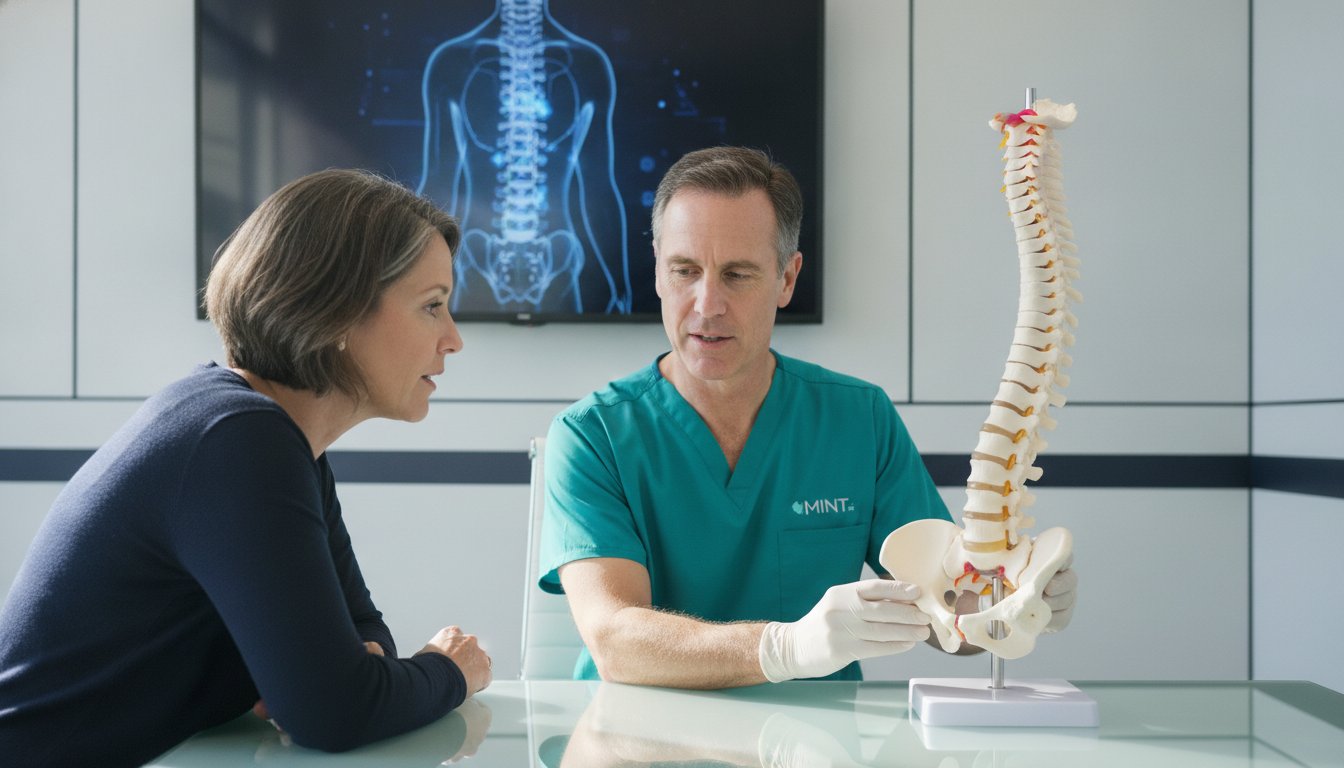
Minimally Invasive Neurosurgery of Texas (MINT), led by board-certified neurosurgeon Dr. Scott Kutz, offers specialized minimally invasive spine surgery for patients in Lewisville, TX, and Plano, TX. Dr. Kutz is a Fellow of the American Association of Neurological Surgeons and a Fellow of the American College of Surgeons who utilizes the latest robotic-assisted technologies to improve patient outcomes and restore quality of life.
What if the most important part of your surgical journey happens before you even arrive at the clinic? Many patients feel overwhelmed by the complexity of medication schedules and the fear of a painful recovery process. This guide details the essential steps for preparing for minimally invasive spine surgery to ensure you achieve a rapid recovery and a seamless return to normal activity. At Minimally Invasive Neurosurgery of Texas, Dr. Scott Kutz prioritizes patient education as a cornerstone of clinical excellence. We provide a clear medical clearance checklist and explain the latest 2026 lifestyle optimizations that prepare your body for a successful procedure. You will learn how to navigate modern outpatient protocols and organize your home for a smooth transition from the operating room to daily life.
Key Takeaways
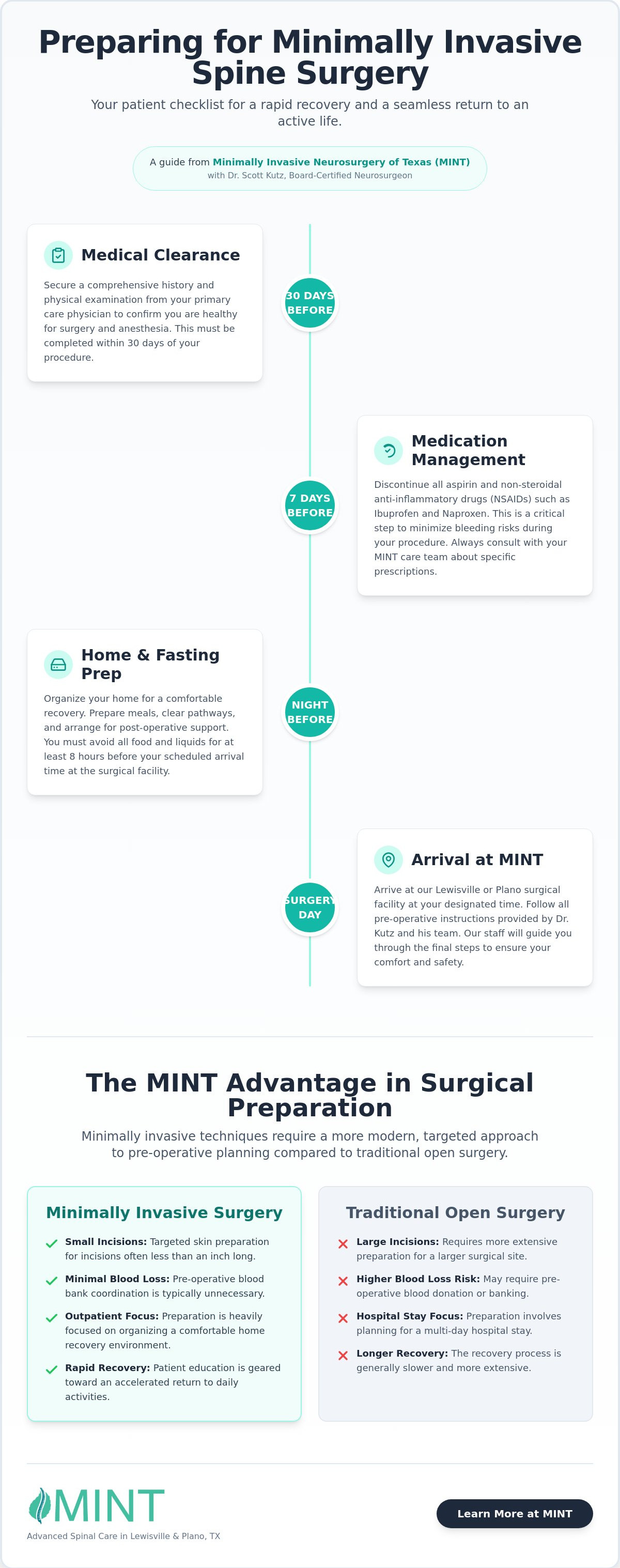
- Secure medical clearance from your primary physician within 30 days of your procedure to confirm you are healthy for surgery.
- Discontinue the use of aspirin and non-steroidal anti-inflammatory drugs (NSAIDs) seven days before your appointment to minimize surgical risks.
- Master the essential medical and lifestyle steps for preparing for minimally invasive spine surgery to ensure a seamless transition back to your home.
- Follow strict fasting protocols by avoiding all food and liquids for at least eight hours before your arrival at our surgical facility.
- Discover how the specialized clinical expertise of Dr. Scott Kutz promotes a rapid recovery and an efficient return to normal activity.
Understanding Minimally Invasive Spine Surgery Preparation at MINT
Minimally Invasive Neurosurgery of Texas (MINT) is a specialized spinal care practice led by Dr. Scott Kutz, a board-certified neurosurgeon, in Lewisville, TX, and Plano, TX. Dr. Kutz provides advanced surgical solutions for patients throughout the Dallas-Fort Worth Metroplex who are seeking relief from chronic back and neck pain. As a Fellow of the American Association of Neurological Surgeons and a Fellow of the American College of Surgeons, Dr. Kutz brings a high level of clinical authority to every procedure. He believes that preparing for minimally invasive spine surgery is a collaborative partnership between the patient and the surgical team. This preparation ensures that every safety standard is met while optimizing the body for a rapid recovery.
The clinical approach at MINT focuses on precision-driven treatments. Dr. Kutz utilizes cutting-edge technology to perform complex procedures through small incisions. This method differs from traditional open surgery, which often requires large incisions and significant muscle displacement. By focusing on specialized techniques such as endoscopic spine surgery and artificial disc replacement, the practice helps patients achieve their ultimate goal: a return to normal activity with minimal disruption to their lives. You can learn more about our commitment to excellence on our about us page.
The MINT Philosophy on Patient Preparation
Dr. Scott Kutz prioritizes evidence-based care and transparent, patient-first communication. He understands that surgery is a significant event in a person’s life. Preparation begins long before the day of the procedure by ensuring every patient understands their specific diagnosis. When you are well-informed, your anxiety decreases and your confidence in the surgical outcome grows. Dr. Kutz and his team provide detailed instructions tailored to your unique health profile. This proactive approach minimizes tissue disruption and sets the stage for an accelerated healing process. We treat our patients as individuals, not just cases, which is why we emphasize personal attention at our boutique surgical centers in Lewisville and Plano.
Why Minimally Invasive Prep Differs from Traditional Surgery
Minimally invasive spine surgery requires a different mindset than conventional “open” back surgery. Because the surgeon uses smaller incisions, the skin preparation protocols are more targeted and less invasive. One of the primary benefits of this approach is the reduction in blood loss. In traditional surgery, patients might need pre-operative blood bank coordination; however, the precision of MINT’s methodologies often makes this unnecessary. Additionally, because these procedures are typically performed in an outpatient setting or require shorter hospital stays, your preparation focuses heavily on post-operative home planning. You will spend less time in a clinical setting and more time recovering in the comfort of your own home, which is a key advantage of modern spinal innovation.
Pre-Operative Medical Clearance and Testing Protocols
Medical clearance is a vital prerequisite when preparing for minimally invasive spine surgery. Dr. Scott Kutz, a board-certified neurosurgeon, requires every patient to undergo a comprehensive history and physical examination with their primary care physician. This clinical evaluation must occur within 30 days of your scheduled procedure date at our Lewisville or Plano facilities. This timeline ensures that the data reflects your current physiological state, allowing the surgical team to make informed decisions about your care. You can learn more about our patient-centered approach on our about us page.
The primary goal of this testing is to confirm your candidacy for anesthesia and identify any underlying conditions that might influence the surgical outcome. According to the American Academy of Orthopaedic Surgeons on MISS, these advanced procedures offer significant benefits over traditional open surgery, but they still require a high level of medical preparedness. Dr. Kutz and his team carefully review your clinical summary to tailor the intraoperative approach to your specific needs. This review helps us identify factors like blood pressure fluctuations or respiratory concerns that require special attention during the procedure.
Essential Tests for Surgical Safety
Dr. Kutz utilizes a specific battery of laboratory tests to build a complete picture of your health. A Complete Blood Count (CBC) is necessary to check for anemia or active signs of infection, both of which can impact the healing process. We also require a Basic Metabolic Panel (BMP) to assess your kidney function and electrolyte balance. Proper kidney function is essential for metabolizing the medications used during and after the procedure. For patients over age 50 or those with a history of heart conditions, an Electrocardiogram (EKG) provides a baseline of cardiac health. This ensures your heart can safely handle the stress of surgery and anesthesia.
Coordinating with Your Primary Care Physician
Clear communication between your primary doctor and our office in Lewisville is essential for a smooth surgical experience. You must ensure your physician faxes your clinical summary and test results directly to MINT. During your physical, discuss chronic conditions like diabetes or hypertension. These conditions can affect how quickly your body repairs tissue after minimally invasive spine techniques. If you see specialists for heart or lung issues, we also require documented clearance from those providers. If you have questions about your specific testing requirements, reach out to our patient coordinators for assistance.
Medication Management and Physical Optimization
Preparing for minimally invasive spine surgery involves more than just clinical tests; it requires diligent management of your daily medications and lifestyle habits. Dr. Scott Kutz, a board-certified neurosurgeon and Fellow of the American Association of Neurological Surgeons, emphasizes that certain substances can interfere with the surgical environment. At Minimally Invasive Neurosurgery of Texas, we provide a detailed protocol to ensure your body is in the best possible condition for healing. This proactive approach minimizes risks and supports the high-precision nature of our advanced spinal procedures.
You must stop taking aspirin and non-steroidal anti-inflammatory drugs (NSAIDs) such as ibuprofen or naproxen seven days before your procedure. These medications inhibit platelet function, which increases the risk of bleeding during and after surgery. While some general surgeries allow for flexibility, spine procedures carry the specific risk of a spinal hematoma. This is a collection of blood near the spinal cord that can cause neurological pressure and complications. To prevent this, Dr. Kutz and his team manage specific tapering schedules for blood-thinning medications like warfarin or clopidogrel. We coordinate these adjustments with your prescribing physician to ensure your safety throughout the process.
Smoking cessation is another mandatory requirement for patients in Lewisville and Plano. Nicotine constricts blood vessels and reduces the vital oxygen supply needed for tissue repair. Patients who continue to smoke face significantly higher risks of surgical site infections. Additionally, nicotine interferes with the body’s ability to grow new bone, which can lead to lower success rates for procedures like artificial disc replacement or spinal fusion. Committing to a tobacco-free period before and after surgery is essential for a successful outcome.
Managing Blood Thinners and Supplements
You must also stop taking herbal supplements one week prior to your surgery date. Many common supplements, including fish oil, vitamin E, and ginkgo biloba, possess natural blood-thinning properties. Failure to disclose every supplement you take can lead to unexpected bleeding risks during the procedure. Dr. Scott Kutz provides a specific list of allowed medications for the morning of your surgery, such as certain blood pressure or heart medicines. Always take these with only a small sip of water to adhere to fasting requirements.
Nutritional and Lifestyle Preparation
Your nutritional status directly affects your recovery timeline. Focus on a well-balanced diet rich in protein to support the repair of muscles and ligaments. Maintaining adequate hydration in the weeks leading up to surgery helps your body manage the physiological stress of the procedure. We also encourage patients to engage in light walking. This maintains cardiovascular health without straining the spine, ensuring you are physically prepared for the transition back to normal activity after you leave our facility.
Planning Your Home Recovery Environment
Planning your recovery environment is just as vital as the medical steps you take before the procedure. While the advanced methodologies utilized by Dr. Scott Kutz reduce physical trauma, your home environment plays a critical role in the healing process. When preparing for minimally invasive spine surgery, you must optimize your living space to support spinal alignment and prevent accidental injury. At Minimally Invasive Neurosurgery of Texas, we emphasize that a well-organized home allows you to focus entirely on your recovery and a rapid return to normal activity.
You must arrange for a responsible adult to drive you home from our surgical facility in Lewisville or Plano. This individual should stay with you for at least the first 24 hours to assist with mobility and monitor your initial progress. Before you leave for the clinic, set up a dedicated recovery station in a central area of your home. This station should provide easy access to fresh water, your prescribed medications, a phone, and any remote controls. You should also clear all walkways of trip hazards like loose rugs or electrical cords. Preventing falls is essential for protecting the surgical site during the early stages of tissue repair.
Ergonomic Setup for Spinal Health
Dr. Scott Kutz advises patients to select a firm chair with armrests that supports the natural curve of the spine. Avoid soft sofas that allow you to slouch; these can place unnecessary pressure on the surgical area. If your procedure involves the lumbar spine, using a toilet seat riser can significantly reduce the need for deep bending. You should also place frequently used items, such as toiletries or kitchen supplies, at waist level. This proactive adjustment prevents reaching or twisting, which are common movements that can strain the back during the first week of recovery.
Coordinating Post-Operative Support
Managing household logistics before your surgery date reduces stress and physical exertion. We recommend preparing and freezing healthy meals to avoid the need for cooking during your first few days at home. You should also identify a friend or family member who can assist with heavier chores and pet care. For a detailed list of activity restrictions and movement protocols, you can review the MINT recovery guide. If you have specific questions about modifying your home for your upcoming procedure, contact our patient coordinators for personalized guidance.
The Day of Surgery at MINT in Lewisville and Plano
The final phase of preparing for minimally invasive spine surgery culminates on the day of your procedure at our advanced facilities in Lewisville or Plano. These boutique surgical centers offer a more personalized experience than large hospital systems; they prioritize efficiency and patient comfort within the Dallas-Fort Worth Metroplex. You must adhere to strict fasting protocols by not eating or drinking anything for at least eight hours before your scheduled arrival time. This requirement is a critical safety measure for anesthesia. While you have spent weeks optimizing your health, the team at Minimally Invasive Neurosurgery of Texas spends this time fine-tuning the technical aspects of your care.
Dr. Scott Kutz maintains a high-tech approach to spinal health by utilizing the Globus Excelsius robotic navigation system. This technology allows for unparalleled precision during the placement of any necessary implants. Precision planning continues until the very moment the procedure begins; the surgical team uses real-time data to confirm the trajectory and depth of every instrument. This level of detail distinguishes the MINT approach from traditional methods and supports our ultimate goal of helping you achieve a rapid return to normal activity. By combining clinical authority with cutting-edge tools, we ensure that your surgery is as safe and effective as possible.
What to Bring to the Surgical Center
Your arrival at the center should be stress-free. You must bring a valid photo ID and your current insurance card to complete the check-in process. We recommend wearing loose-fitting, comfortable clothing that is easy to change out of after the procedure. Please leave all jewelry, watches, and valuables at home. This ensures their safety and allows the clinical staff to prepare you for the operating suite without delays. If you wear glasses or hearing aids, bring their storage cases to keep them secure during the surgery. Having these items organized beforehand allows you to focus on the next step of your journey toward relief.
Final Preparations with Dr. Scott Kutz
Before the procedure starts, Dr. Scott Kutz meets with every patient to answer final questions and provide reassurance. As a board-certified neurosurgeon, he ensures that you feel confident and informed. During the operation, the team may also use Augmedics AR for enhanced visualization. This augmented reality system provides Dr. Kutz with a “see-through” view of your spinal anatomy, which further increases the safety and accuracy of the procedure. Every technological tool we use serves a singular purpose: to provide the best possible clinical outcome with the least physical impact. Our commitment to excellence ensures that your journey from surgery to recovery remains as smooth as possible.
Take the Next Step Toward Your Spinal Recovery
Successful outcomes in spinal health depend on the synergy between clinical authority and proactive patient preparation. By mastering the steps for preparing for minimally invasive spine surgery, you set the foundation for a rapid recovery and a return to normal activity. Dr. Scott Kutz, a board-certified neurosurgeon with over 20 years of specialized spinal experience, combines these preparation protocols with advanced robotic and AR technology to ensure the highest level of surgical precision. Whether you are navigating medical clearance or optimizing your home environment, every action you take brings you closer to a life free from chronic pain.
Our team in Lewisville and Plano remains dedicated to your success from the initial consultation through your final recovery milestone. Schedule your consultation with Dr. Scott Kutz at MINT today to begin your journey toward lasting relief. You don’t have to manage spinal conditions alone when modern innovation and compassionate care are within reach. We look forward to helping you reclaim your mobility and confidence.
Frequently Asked Questions
How long before surgery should I stop smoking?
You must stop smoking or using nicotine products at least two to four weeks before your procedure. Nicotine constricts blood vessels and reduces oxygen flow, which significantly increases the risk of infection and prevents successful bone fusion. Dr. Scott Kutz requires this cessation to ensure your body has the resources it needs for tissue repair. Commitment to this step is a vital part of preparing for minimally invasive spine surgery.
Can I take my blood pressure medication the morning of surgery?
You can typically take your blood pressure medication with a small sip of water on the morning of your surgery. However, you must confirm the specific list of allowed medications during your pre-operative appointment at MINT. Dr. Scott Kutz reviews your current prescriptions to determine which are safe to continue and which, like certain diuretics, you must hold until after the procedure.
What happens if I accidentally eat something before my procedure?
You must notify the surgical center immediately if you accidentally eat or drink anything within eight hours of your procedure. Consuming food or liquids creates a risk of aspiration under anesthesia, which can lead to serious lung complications. For your safety, the surgical team will likely postpone your surgery to a later time or a different day to ensure your stomach is completely empty.
How soon can I return to work after minimally invasive spine surgery?
Most patients return to sedentary office work within one to two weeks after a minimally invasive procedure. If your job requires heavy lifting or significant physical exertion, you may need four to six weeks of recovery time. Dr. Scott Kutz provides personalized return to work guidelines based on your specific procedure and how quickly your body reaches its recovery milestones during follow up visits.
Do I need to see a cardiologist for clearance before surgery?
You need cardiology clearance if you have a history of heart disease, high blood pressure, or are over the age of 50. Dr. Scott Kutz prioritizes patient safety by ensuring your cardiovascular system can handle the stress of anesthesia. Your primary care physician or the MINT team in Lewisville will coordinate these specialist referrals during your 30 day pre-operative window to ensure all tests are current.
Will I need physical therapy immediately after I go home?
You generally do not begin physical therapy immediately after returning home. Most patients start a structured physical therapy program two to four weeks after surgery to allow the initial incision and deep tissues to heal. Dr. Kutz monitors your progress during follow up visits in Plano or Lewisville to determine the exact date you can safely begin rehabilitation exercises to restore your strength.
What items should I pack for my stay at the surgical center?
You should pack your valid photo ID, insurance card, and a list of your current medications. Wear loose fitting clothing that is easy to put on after surgery, such as a button down shirt and elastic waist pants. Leave all jewelry, large amounts of cash, and electronics at home. If you use glasses or hearing aids, bring their protective cases to keep them secure during the procedure.
How does Dr. Scott Kutz use robotics to prepare for my surgery?
Dr. Scott Kutz uses the Globus Excelsius robotic navigation system to create a precise 3D map of your spine before the first incision. This technology allows him to plan the exact trajectory for any implants with sub-millimeter accuracy. This high tech preparation minimizes tissue disruption and supports a faster return to normal activity. It represents the absolute forefront of preparing for minimally invasive spine surgery in North Texas.