Minimally Invasive Neurosurgery of Texas (MINT), led by Dr. Scott Kutz, a board-certified neurosurgeon, Fellow of the American Association of Neurological Surgeons, and Fellow of the American College of Surgeons, provides advanced treatment for the bulging disc and other spinal conditions at specialized clinics in Lewisville and Plano, Texas.
What if the radiating nerve pain in your back or legs isn’t a sign that you need invasive open surgery, but a signal that your spine requires a precision, motion-preserving adjustment? Many patients feel overwhelmed by the complex terminology on their MRI reports and fear that losing their mobility is an inevitable part of aging. You deserve a clear diagnosis and a treatment plan that prioritizes a fast return to normal activities without relying on heavy medications or facing lengthy hospital stays.
This guide clarifies the common confusion between a bulging disc and a herniation while identifying the specific symptoms that disrupt your daily life. You’ll discover how Dr. Scott Kutz utilizes modern, minimally invasive techniques to provide lasting relief and restore your physical freedom. We’ll explore the latest clinical options available in North Texas that move you from a state of chronic pain to a state of informed confidence and recovery.
Key Takeaways
- Learn how intervertebral discs function as spinal shock absorbers and what occurs when the outer layer extends beyond its normal space.
- Identify the primary symptoms of a bulging disc, including localized neck or back pain and radiating nerve discomfort.
- Understand the structural differences between an intact bulging disc and a ruptured herniated disc to interpret your diagnosis with confidence.
- Explore the 2026 treatment landscape that emphasizes conservative care and minimally invasive procedures for faster recovery timelines.
- Discover how Dr. Scott Kutz provides expert care at MINT locations in Lewisville and Plano to support your return to normal activity.
What is a Bulging Disc? A Definition for Patients
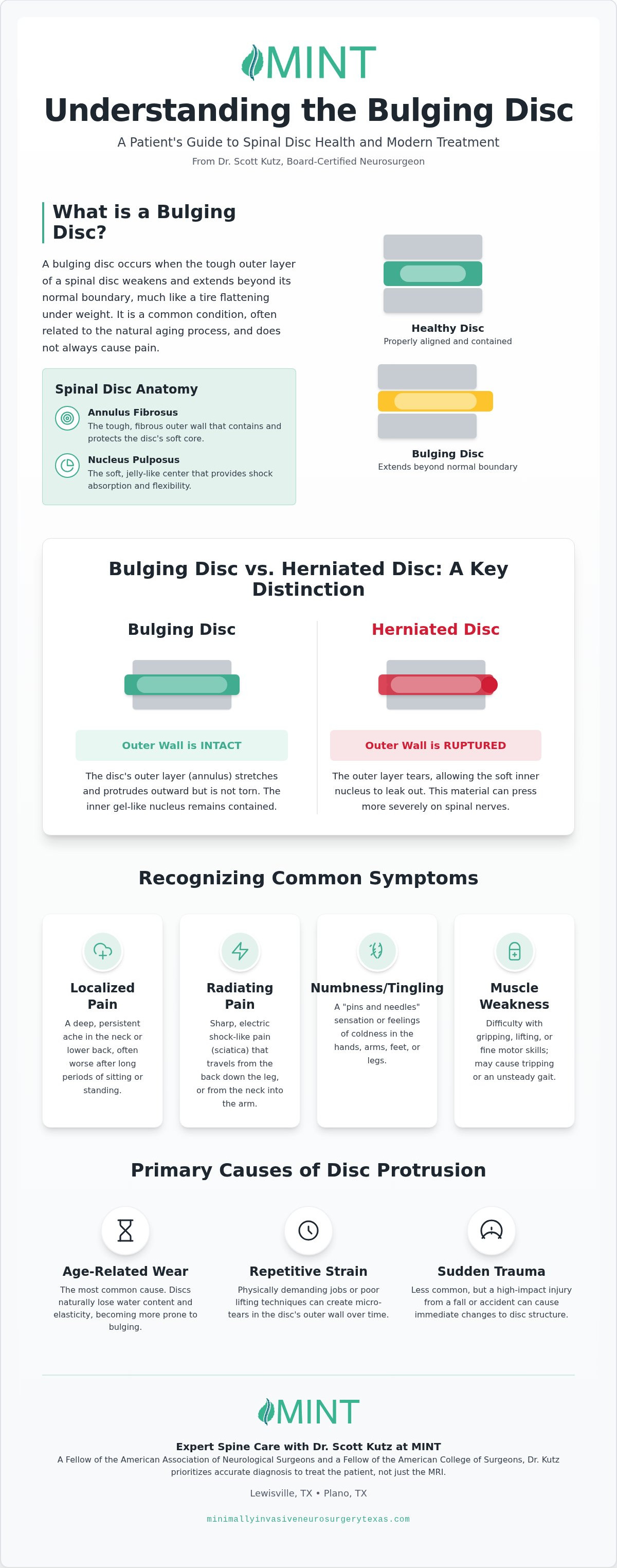
A bulging disc occurs when the outer layer of a spinal disc extends beyond its normal boundary. Think of it as a tire that has lost some air and begins to flatten out under the weight of the vehicle. These discs function as the primary shock absorbers for your spine. They sit between the vertebrae to prevent bone-on-bone contact and provide the flexibility needed for daily life. While the term sounds intimidating, this condition is often a natural part of the aging process. It’s quite common for adults over 40 to show some degree of Disc protrusion on an imaging scan even if they feel perfectly healthy.
Understanding Spinal Anatomy and Disc Structure
Your spinal discs have a sophisticated design. The annulus fibrosus is the tough, fibrous outer wall that contains the disc’s contents. Inside lies the nucleus pulposus, a soft, jelly-like center that gives the spine its bounce and resilience. When these discs function correctly, they allow you to move with ease. However, as we age, the annulus fibrosus can weaken or dehydrate. This allows the inner nucleus to press against the outer wall, causing the disc to bulge into the spinal canal. This most frequently occurs in the lumbar spine, or lower back, and the cervical spine, which is the neck. These regions endure the most mechanical stress throughout the day.
Why Dr. Scott Kutz Prioritizes Accurate Diagnosis
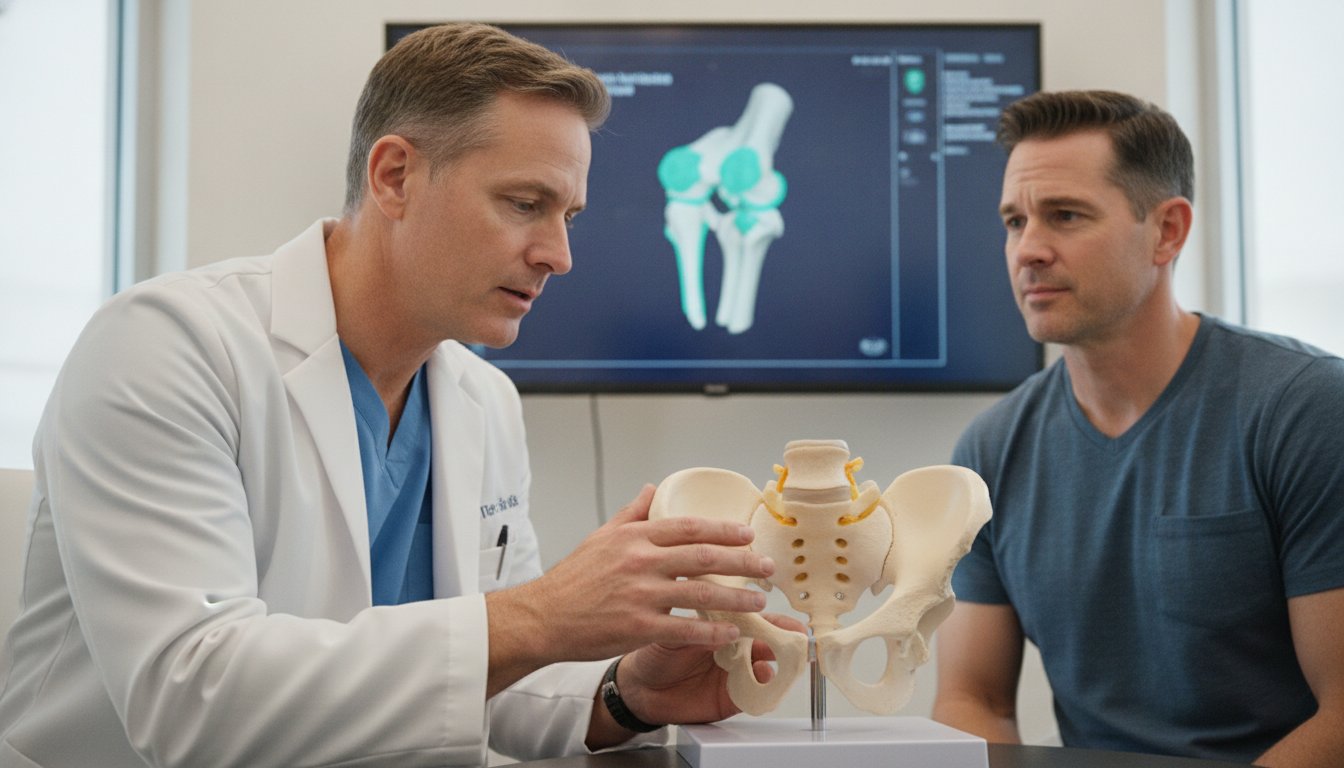
Dr. Scott C. Kutz, MD, a board-certified neurosurgeon, understands that an MRI is only one piece of the puzzle. Medical evidence shows that many individuals have bulging discs but experience no pain at all. Because of this, Dr. Kutz, a Fellow of the American Association of Neurological Surgeons and a Fellow of the American College of Surgeons, insists on a thorough physical examination. He ensures that your symptoms match the imaging before recommending any intervention. At MINT, the focus remains on treating the patient rather than just the MRI. We prioritize accurate diagnosis at our Lewisville and Plano locations to avoid unnecessary procedures. You can read more about our philosophy on our about us page. We ensure every treatment plan leads directly to your return to normal activity.
Recognizing Common Bulging Disc Symptoms and Causes
Identifying a bulging disc early allows for more effective intervention and prevents the progression of chronic nerve damage. Most patients first notice localized pain in the neck or lower back. This discomfort often feels like a deep, persistent ache that intensifies after you sit or stand for long periods. Because the disc sits near sensitive nerve roots, even a small protrusion can cause significant distress by narrowing the space available for those nerves.
When the disc material presses against a spinal nerve, you may experience radiating pain. This is commonly known as sciatica when it travels from the lower back down through the leg. Patients often describe this sensation as a sharp, electric shock that extends from the hip to the foot. In the neck, this same mechanism causes pain to shoot down the arm and into the fingertips. This radiating discomfort signals that the disc is actively interfering with the nervous system’s communication pathways.
Compression also disrupts sensory signals, leading to numbness or tingling sensations in the extremities. You might feel “pins and needles” or a persistent coldness in your hands or feet. In severe cases of compression, muscle weakness occurs. This happens when the nerve can no longer effectively transmit motor signals to the muscles. You might find yourself tripping more often or struggling with fine motor tasks like buttoning a shirt. These symptoms require a professional evaluation to prevent permanent functional loss.
Primary Causes of Disc Protrusion
Age-related wear and tear remains the most frequent cause of disc issues. As we age, our spinal discs naturally lose water content and elasticity, which makes them more prone to bulging under the weight of the body. Repetitive strain from poor lifting techniques or physically demanding jobs also impacts disc health over time by creating micro-tears in the outer layer. While less common, sudden trauma from a fall or a high-impact injury can cause immediate structural changes to the spine that force the disc out of its natural alignment.
When to Seek a Specialist in Lewisville or Plano
If your pain persists for more than six weeks despite rest and home care, it is time to seek a professional evaluation. Dr. Scott C. Kutz, MD, a board-certified neurosurgeon, Fellow of the American Association of Neurological Surgeons, and Fellow of the American College of Surgeons, provides expert assessments at the MINT offices in Lewisville and Plano. He identifies “red flag” symptoms that require immediate medical care, such as a sudden loss of bladder or bowel control. Early diagnosis allows patients to explore modern treatment options that prioritize non-invasive recovery. If you are struggling with persistent nerve pain, contact our specialized team to discuss your diagnostic results and start your journey back to normal activity.
Bulging Disc vs. Herniated Disc: Understanding the Difference
Patients often use the terms interchangeably, but a bulging disc and a herniated disc represent distinct structural issues. A bulge occurs when the tough outer layer of cartilage, the annulus fibrosus, remains intact but extends symmetrically beyond its normal space. This creates a broad-based protrusion that can narrow the spinal canal. In contrast, a herniated disc involves a physical tear in that outer layer. This rupture allows the soft, jelly-like inner nucleus to leak out into the surrounding area. While a bulge is like a tire losing its shape under pressure, a herniation is more like a tire with a puncture.
The leakage of the inner nucleus during a herniation often triggers more acute pain than a bulge. This happens because the nucleus pulposus contains inflammatory proteins that irritate spinal nerves upon contact. A bulge typically causes mechanical compression, while a herniation causes both mechanical pressure and chemical inflammation. Despite these differences, both conditions are manifestations of degenerative disc disease. This term describes the progressive breakdown of spinal structures due to age, genetics, or repetitive stress. Understanding which condition you have is the first step toward effective relief and a return to normal activity.
Diagnostic Imaging and What Your MRI Shows
Dr. Scott C. Kutz, MD, a board-certified neurosurgeon, Fellow of the American Association of Neurological Surgeons, and Fellow of the American College of Surgeons, uses advanced MRI technology to visualize these nuances. On an imaging report, you might see a bulge described as circumferential or broad-based. This means the disc is pushing out across a wide area. A herniation is usually described as focal or extruded, indicating a specific point of failure in the disc wall. Dr. Kutz emphasizes that these findings are only one part of the MINT diagnostic process. He carefully matches the MRI results with your physical symptoms to ensure the diagnosis is accurate and actionable.
Treatment Implications for Each Condition
Your specific diagnosis significantly influences the initial recovery plan. Bulging discs often respond exceptionally well to conservative management because the structural integrity of the disc remains relatively high. These cases frequently resolve with physical therapy, anti-inflammatory medications, or lifestyle adjustments. Herniations may require more direct intervention if the leaking material causes severe nerve irritation. Dr. Kutz always prioritizes the least invasive path for his patients in Lewisville and Plano. If symptoms persist, he may explore endoscopic spine surgery or other motion-preserving techniques to restore your quality of life. Our goal at MINT is to move you from a state of concern to a state of informed confidence through precise, modern care.
Treatment Options for a Bulging Disc in 2026
Most patients diagnosed with a bulging disc find relief through a structured pathway of conservative care. Dr. Scott C. Kutz, MD, a board-certified neurosurgeon, typically recommends a trial of physical therapy and anti-inflammatory medications for six to twelve weeks. These methods reduce inflammation and strengthen the supporting muscles of the spine. If these initial steps don’t provide sufficient relief, epidural steroid injections serve as a mid-level option. These injections deliver targeted medication directly to the site of nerve irritation to manage pain during the healing process. This conservative approach allows the body to heal naturally while maintaining your quality of life.
When conservative management fails, modern surgical innovation offers alternatives to traditional, invasive procedures. Research in 2026 indicates that the success rate for microdiscectomy has reached 86.8 percent, providing a reliable path for those with persistent symptoms. Dr. Kutz, a Fellow of the American Association of Neurological Surgeons and a Fellow of the American College of Surgeons, specializes in techniques that utilize smaller incisions and advanced visualization. These methods result in less muscle damage and significantly faster recovery times for patients at our Lewisville and Plano facilities. Dr. Kutz often sees patients who have struggled with a bulging disc for months before discovering that these motion-preserving options exist.
Minimally Invasive Spine Techniques
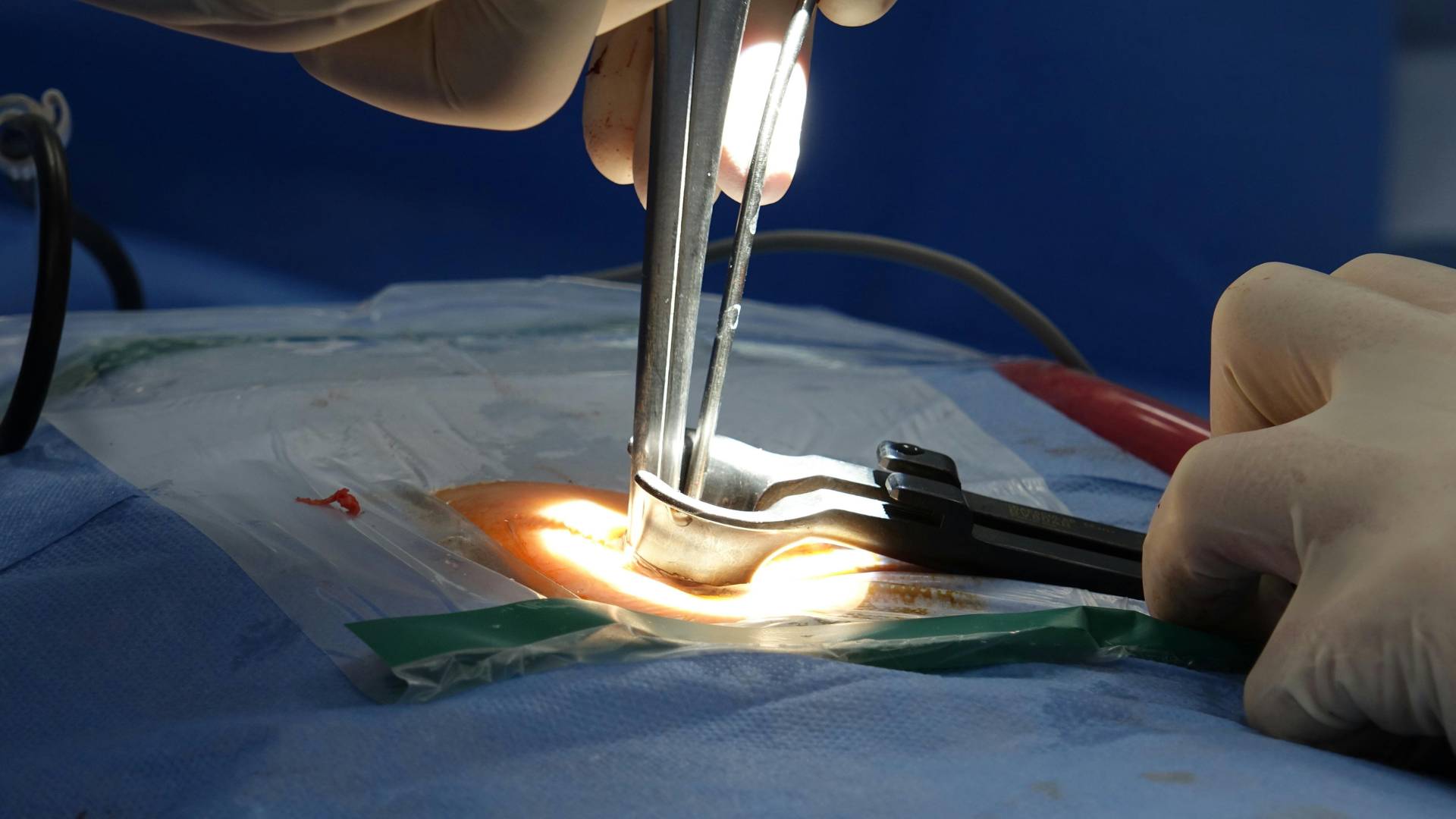
Endoscopic spine surgery represents the pinnacle of minimally invasive care. This technique uses a tiny camera and specialized instruments to treat the affected disc with minimal disruption to surrounding tissues. Because this procedure requires only a small incision, many patients return home the same day. You can learn more about how this technology preserves your anatomy on our Endoscopic Spine Surgery page. This approach prioritizes your health by reducing the physical impact of the procedure and accelerating your return to normal activity.
Motion-Preserving Artificial Disc Replacement
For patients requiring disc removal, motion-preserving Artificial Disc Replacement offers a superior alternative to traditional spinal fusion. While fusion locks the vertebrae together and restricts movement, an artificial disc mimics the natural function of your spine. This preservation of mobility reduces the stress on adjacent discs and helps prevent future issues. Dr. Kutz utilizes the latest technological systems to ensure precise placement and optimal clinical outcomes. This modern methodology ensures that you don’t have to sacrifice your flexibility to achieve lasting pain relief.
If you’re ready to explore how these advanced treatments can restore your mobility, contact MINT today to schedule an evaluation.
Expert Spine Care with Dr. Scott Kutz at MINT
Dr. Scott C. Kutz, MD, leads Minimally Invasive Neurosurgery of Texas (MINT) with a commitment to clinical excellence and compassionate care. As a board-certified neurosurgeon and a Fellow of the American Association of Neurological Surgeons, he specializes in identifying the root cause of chronic back pain. He also holds the distinction of being a Fellow of the American College of Surgeons. Dr. Kutz understands that a bulging disc can significantly diminish your quality of life. His patient-first philosophy ensures that we treat the person, not just the diagnosis. This approach creates a narrative arc of recovery and progress for every individual who walks through our doors.
MINT operates at the absolute forefront of modern surgical innovation. We avoid the coldness of large hospital systems by providing a specialized, boutique environment. This focus allows us to prioritize your personal attention from the initial consultation through your final recovery milestone. Our team believes that every patient deserves a clear path to relief without the fear of invasive, traditional open surgery. By combining clinical authority with a warm emotional style, we position our practice as a source of optimism for those dealing with persistent spinal conditions.
Advanced Surgical Technology in North Texas
Our practice utilizes the most sophisticated tools available to ensure precision and safety. Dr. Kutz employs Globus Excelsius robotic navigation to achieve unparalleled accuracy during complex spine procedures. This precision-driven system provides real-time feedback and high-definition mapping of the patient’s unique anatomy. Additionally, the practice incorporates Augmedics AR, an augmented reality headset that gives Dr. Kutz enhanced visualization during surgery. These high-tech hallmarks lead to smaller incisions and reduced post-operative pain. Patients experience improved recovery timelines and a faster return to their daily routines because of this specialized technology.
Scheduling Your Consultation in Lewisville or Plano
We invite you to experience a surgical environment that prioritizes your health as the top priority. As of January 1, 2026, our main headquarters has relocated to a new facility at 1850 Lakepointe Drive in Lewisville, TX. We also continue to serve patients at our established Plano office. Our practice provides elite care to residents across the North Texas region, including those in Dallas, Fort Worth, and Flower Mound. If you feel hesitant about seeking help, we encourage you to read our patient testimonials for peace of mind. Seeing the successful outcomes of others helps move you from a state of concern to a state of informed confidence. Booking an appointment is a straightforward process that starts your journey back to normal activity. Contact our team today to schedule your comprehensive diagnostic evaluation with Dr. Kutz.
Restore Your Mobility with Modern Spine Care
Living with a bulging disc doesn’t mean you must accept a life of limited mobility or chronic nerve pain. Modern medical innovation has transformed spine care from invasive traditional surgery into precise, motion-preserving treatments. Dr. Scott C. Kutz, MD, a board-certified neurosurgeon, Fellow of the American Association of Neurological Surgeons, and Fellow of the American College of Surgeons, brings over 20 years of experience to every patient interaction. He utilizes advanced robotic-assisted surgical technology and specialized clinical protocols to ensure the highest levels of accuracy. Whether you require conservative management or a specialized procedure like artificial disc replacement, our team focuses on your return to normal activity.
You deserve a clear diagnosis and a customized recovery plan that restores your physical freedom. Our Lewisville and Plano offices provide the high-tech, patient-centered care you need to move forward with confidence. Schedule Your Consultation with Dr. Scott Kutz at MINT today to explore your options and begin your journey toward lasting relief.
Frequently Asked Questions
Can a bulging disc heal on its own without surgery?
Yes, many bulging discs heal without surgical intervention through a combination of rest, anti-inflammatory medication, and physical therapy. Dr. Scott C. Kutz, MD, a board-certified neurosurgeon, observes that the body often reabsorbs the protruding material or the inflammation naturally subsides. Most patients experience significant symptom relief within six to twelve weeks of starting a conservative treatment plan. This approach allows the spine to stabilize while you maintain your daily routine.
How long does it take to recover from a bulging disc?
Recovery timelines vary depending on the severity of the protrusion and the chosen treatment path. For patients following conservative protocols, improvement typically occurs within two to three months. If Dr. Scott Kutz performs a minimally invasive procedure at our Lewisville or Plano office, many patients return to light activity in a few days and full activity within six weeks. We focus on specific recovery milestones to ensure a safe return to normal activities.
What exercises should I avoid with a bulging disc in my lower back?
You should avoid high-impact movements and exercises that require heavy lifting or extreme spinal flexion. Specifically, avoid toe touches, sit-ups, and heavy squats, as these increase the pressure on your intervertebral discs. Dr. Kutz recommends focusing on low-impact activities like walking or swimming to maintain mobility without aggravating your bulging disc symptoms. These modifications protect your spine while the outer layer of the disc heals.
Is a bulging disc the same thing as a slipped disc?
“Slipped disc” is a general, non-medical term that people often use to describe a bulging or herniated disc. Dr. Scott C. Kutz, MD, clarifies that discs don’t actually slip out of place; they either bulge outward or rupture. Using precise medical terminology helps our team at MINT develop a more accurate and effective treatment plan for your specific condition. This clarity ensures that you understand your diagnosis and the necessary steps for recovery.
When should I see a neurosurgeon for my back pain?
You should schedule a consultation with a neurosurgeon if your back pain persists for more than six weeks despite conservative efforts. Immediate medical attention is necessary if you experience “red flag” symptoms like sudden muscle weakness or a loss of bladder control. Dr. Kutz evaluates patients at MINT locations in North Texas to ensure timely intervention and prevent long-term complications. Early specialist involvement often leads to more effective, less invasive treatment outcomes.
What is the most successful treatment for a bulging disc?
The most successful treatment depends entirely on your specific diagnosis and lifestyle needs. While many patients find success with physical therapy, those with persistent nerve compression often benefit from minimally invasive microdiscectomy, which has a reported success rate of 86.8 percent in 2026. Dr. Kutz prioritizes motion-preserving techniques like artificial disc replacement to ensure a fast return to normal activity. We tailor every plan to achieve the best clinical results for your anatomy.
Can a bulging disc cause permanent nerve damage if left untreated?
Yes, a bulging disc can cause permanent nerve damage if it severely compresses a nerve root for an extended period. Chronic compression can lead to “foot drop,” persistent numbness, or a permanent loss of muscle strength. Seeking an early evaluation at MINT allows Dr. Kutz to monitor your neurological function and intervene before irreversible damage occurs. Our goal is to protect your nerve health through precise diagnostic and therapeutic methods.
How does Dr. Scott Kutz determine if I need surgery for a disc issue?
Dr. Scott C. Kutz, MD, a Fellow of the American Association of Neurological Surgeons, uses clinical correlation to determine the necessity of surgery. He matches your MRI findings with a comprehensive physical examination and your personal health history. Surgery remains a secondary option reserved for cases where conservative care fails to relieve debilitating pain or neurological deficits. This thorough process ensures that every patient receives the most appropriate level of care for their condition.