Minimally Invasive Neurosurgery of Texas (MINT), led by Dr. Scott Kutz, a board-certified neurosurgeon, Fellow of the American Association of Neurological Surgeons, and Fellow of the American College of Surgeons, provides specialized radiculopathy treatment at its headquarters in Lewisville and satellite office in Plano. Dr. Kutz utilizes advanced endoscopic techniques and robotic-assisted technology to resolve nerve compression and restore patient mobility.
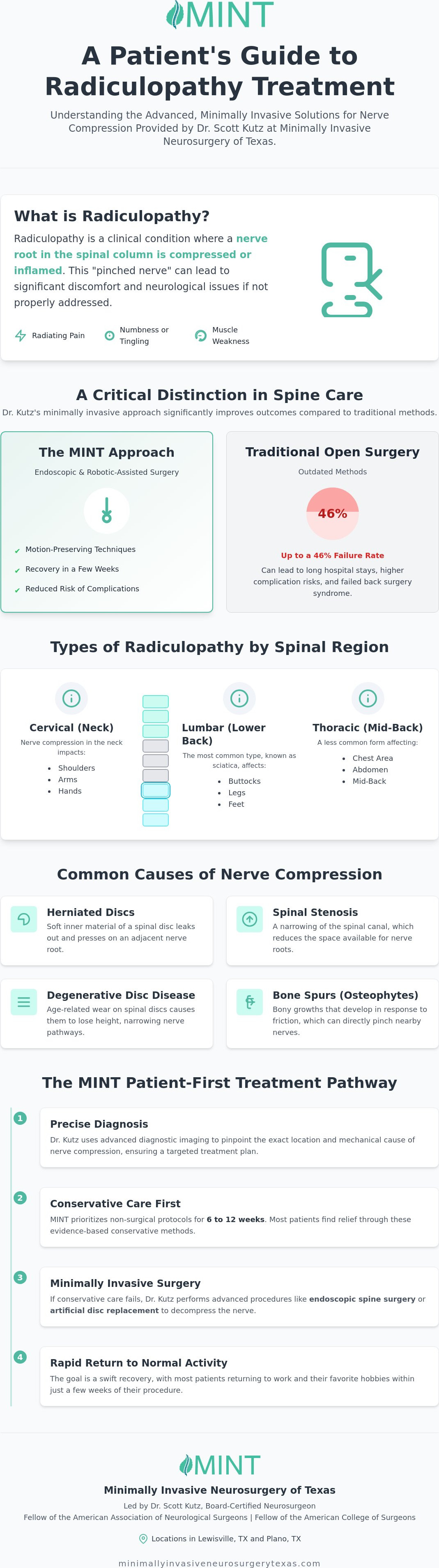
Did you know that traditional spinal surgery failure rates can reach as high as 46%? This staggering statistic often leaves patients feeling anxious about seeking help for the persistent, radiating pain of sciatica or cervical nerve compression. We understand the frustration of living with limited mobility and the fear that permanent nerve damage might be around the corner. You deserve a solution that prioritizes your recovery without the long hospital stay. This guide details how Dr. Scott Kutz uses precision-driven, motion-preserving methods to eliminate your symptoms. You’ll discover how ultra-minimally invasive procedures, now the 2026 standard of care, allow you to return to work and your favorite hobbies within just a few weeks. We will compare modern diagnostic terms and explain the specific surgical innovations that offer a clear path to lasting relief.
Key Takeaways
- Discover how Minimally Invasive Neurosurgery of Texas (MINT) utilizes cutting-edge technology in Lewisville and Plano to resolve nerve root inflammation.
- Identify the specific clinical differences between herniated discs and spinal stenosis to better understand the source of your radiating pain.
- Learn about the advanced radiculopathy treatment protocols developed by Dr. Scott Kutz, a board-certified neurosurgeon and Fellow of the American Association of Neurological Surgeons.
- Explore motion-preserving surgical options like artificial disc replacement and endoscopic spine surgery that offer faster recovery than traditional methods.
- Review a clear recovery timeline that highlights how most patients return to their normal activities and professional work within just a few weeks.
Defining Radiculopathy and the MINT Approach to Care
Minimally Invasive Neurosurgery of Texas (MINT) and Dr. Scott Kutz, a board-certified neurosurgeon, Fellow of the American Association of Neurological Surgeons, and Fellow of the American College of Surgeons, define radiculopathy as a clinical condition where a nerve root in the spinal column is compressed or inflamed. This condition is a primary focus at our Lewisville and Plano clinics. When a nerve root becomes compromised, it often results in pain, numbness, or weakness that radiates into the arms or legs. To understand the clinical background of these symptoms, patients often ask What is Radiculopathy? beyond the simple description of a pinched nerve. Dr. Kutz emphasizes that effective radiculopathy treatment must address the underlying mechanical cause to prevent permanent nerve dysfunction.
Nerve compression does not just cause temporary discomfort. It can lead to long term neurological deficits if the pressure remains unaddressed. Dr. Scott Kutz uses advanced diagnostic imaging to pinpoint the exact location of the compression. This precision ensures that every treatment plan targets the specific disc or bone structure causing the irritation. By focusing on the mechanical source of the pain, we provide a path toward lasting relief rather than just masking the symptoms with temporary measures. Our 2026 protocols integrate the latest clinical research to ensure every patient receives the most modern care available in North Texas.
Types of Radiculopathy Treated by Dr. Scott Kutz
Dr. Scott Kutz categorizes the condition based on the specific region of the spine where the nerve root is affected. Cervical radiculopathy involves nerve compression in the neck, which typically impacts the shoulders, arms, and hands. Lumbar radiculopathy occurs in the lower back and is frequently referred to as sciatica. This type remains the most common reason patients visit our Lewisville headquarters. Thoracic radiculopathy is a less common form that affects the middle back and chest area. Each type requires a specialized approach to decompress the nerve without destabilizing the surrounding spinal structures.
The Clinical Philosophy of MINT in North Texas
At MINT, our clinical philosophy centers on the patient’s long term quality of life. Dr. Scott Kutz prioritizes patient first communication. This ensures you fully understand your diagnostic imaging results and the biological reasons for your pain. We follow a strict evidence based care model that prioritizes conservative methods before considering surgical intervention. Most patients find relief through non surgical protocols over a period of 6 to 12 weeks. If these methods fail to resolve the issue, our goal remains a rapid return to normal activity through precision neurosurgery. We provide a boutique, personalized experience that avoids the impersonal nature of large hospital systems.
Identifying the Causes and Symptoms of Nerve Compression
Dr. Scott Kutz, a board-certified neurosurgeon, Fellow of the American Association of Neurological Surgeons, and Fellow of the American College of Surgeons, observes that most nerve compression stems from specific structural changes within the spine. Herniated discs represent a frequent cause. In this condition, the soft inner material of a spinal disc leaks through a tear in the outer layer. This material then irritates or compresses the adjacent nerve root. Spinal stenosis also plays a significant role. This involves a narrowing of the spinal canal, which restricts the space available for nerve roots. As the canal narrows, the pressure on the nerves increases, leading to the radiating pain patients feel in their limbs.
Degenerative disc disease and bone spurs add further complexity to the diagnostic picture. Age related wear reduces the hydration and height of the vertebrae. This reduction in space often forces the bones closer together. In response to this friction, the body may develop bone spurs. These bony growths often develop due to osteoarthritis and directly pinch the nerves. Identifying these specific structural issues is the first step in determining the appropriate path for radiculopathy treatment. Dr. Kutz focuses on these mechanical triggers to ensure that the chosen intervention provides long term relief rather than a temporary fix.
How to Recognize Radiculopathy Symptoms
Patients typically report a sharp or burning pain that follows a specific path down an arm or leg. This sensation differs from a dull muscle ache; it often feels electrical or searing. Paresthesia, commonly known as a “pins and needles” tingling sensation, frequently occurs in the hands or feet. Some individuals also experience muscle weakness or diminished reflexes in the affected area. These symptoms indicate that the nerve is struggling to transmit signals correctly. Understanding Radiculopathy diagnosis and treatment helps patients recognize when their discomfort requires professional intervention from a specialist.
Advanced Diagnostics at MINT
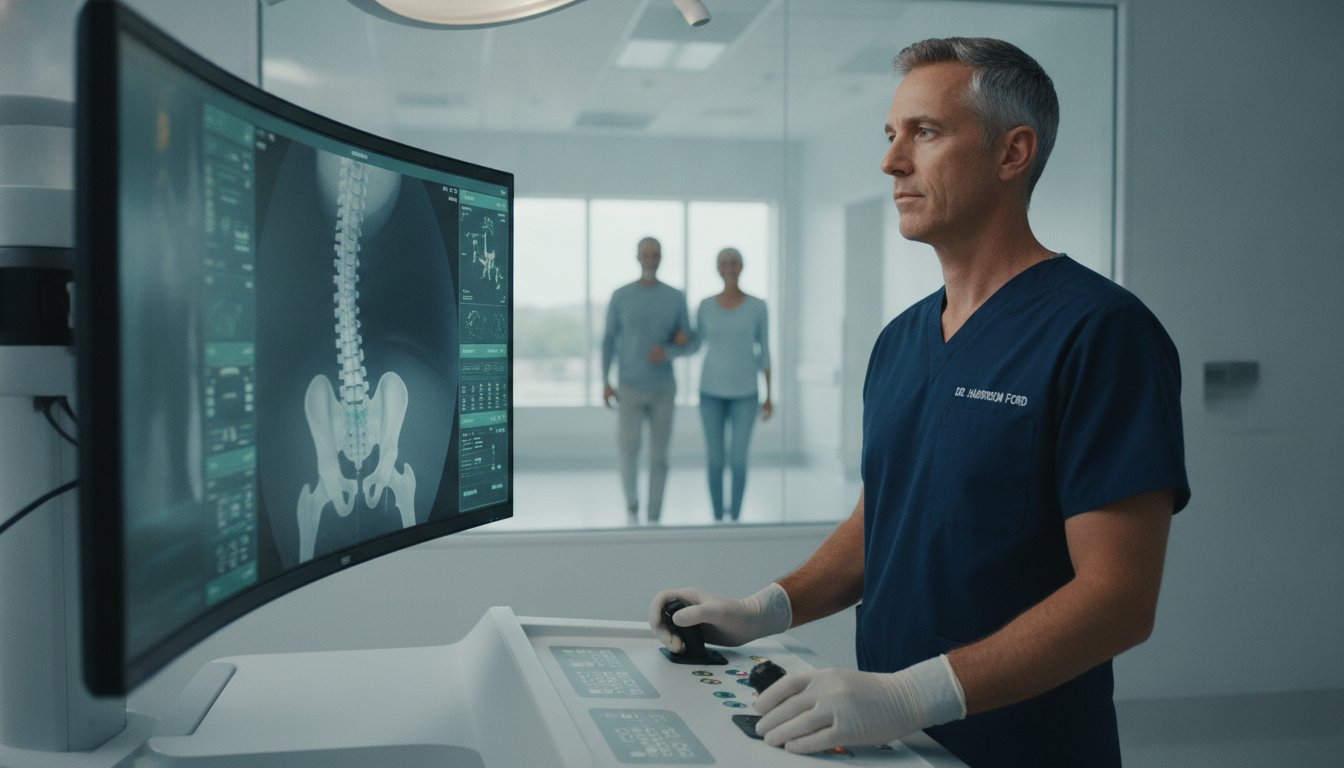
Dr. Scott Kutz utilizes high resolution MRI to visualize soft tissue and the exact degree of nerve compression. While MRIs provide clear images of discs, CT scans offer detailed bone structure analysis for patients in Lewisville and Plano. We also use Electromyography (EMG) to assess the electrical activity of muscles and overall nerve health. These tools allow us to create a precise map of your spinal health. If you are experiencing these symptoms, you can schedule an evaluation at our Lewisville headquarters to discuss your results. Dr. Kutz combines these findings with minimally invasive spine techniques to target the source of your pain with extreme accuracy.
Conservative vs Surgical Radiculopathy Treatment Options
Dr. Scott Kutz, a board-certified neurosurgeon, Fellow of the American Association of Neurological Surgeons, and Fellow of the American College of Surgeons, adheres to a conservative first rule for spinal care. Most patients do not require immediate surgery to find relief. He typically recommends 6 to 12 weeks of non surgical care as the initial phase of radiculopathy treatment. This period allows the body to heal while we manage symptoms through targeted, evidence based interventions. Clinical research supports conservative management for radiculopathy as a highly effective starting point for the majority of patients in North Texas.
Physical therapy remains a cornerstone of this non operative approach. Specialized therapists guide patients through focused exercises designed to decompress the spine and strengthen supporting core muscles. This reduces the mechanical load on the affected nerve roots. Additionally, epidural steroid injections provide targeted medication to reduce nerve root inflammation. These injections often provide a window of relief that allows a patient to participate more effectively in their rehabilitation. For a comprehensive look at non-surgical options, you can explore Specialized Medical Consultations and Interventional Procedures to find the right balance of care. Medication management also plays a role in the recovery journey. Dr. Kutz may utilize anti inflammatories or nerve pain modulators to reduce the intensity of radiating sensations while the underlying cause heals.
When Conservative Care is Not Enough
Despite the high success rate of non surgical methods, some cases require a transition to specialized surgical intervention. Dr. Scott Kutz monitors patients closely for “red flag” symptoms that indicate a need for more direct action. These include a sudden loss of bowel or bladder control, which suggests severe nerve compression. Persistent pain that prevents daily activities despite consistent therapy also signals that conservative care has reached its limit. We also look for progressive neurological deficits, such as increasing muscle weakness in the foot or hand. These signs require a surgical consultation to prevent permanent nerve dysfunction.
The Advantage of Minimally Invasive Neurosurgery
If surgery becomes necessary, Dr. Kutz utilizes minimally invasive spine techniques to resolve the compression. These modern procedures offer significant benefits over traditional open surgery. Smaller incisions lead to significantly less post operative pain and a faster return to daily life. Patients experience reduced blood loss and a lower risk of infection. Crucially, these methods prioritize the preservation of spinal muscles and ligaments. By avoiding large muscle dissections, Dr. Kutz ensures better long term spinal stability and a smoother recovery process at our Lewisville and Plano clinics.
Advanced Minimally Invasive Procedures for Nerve Relief
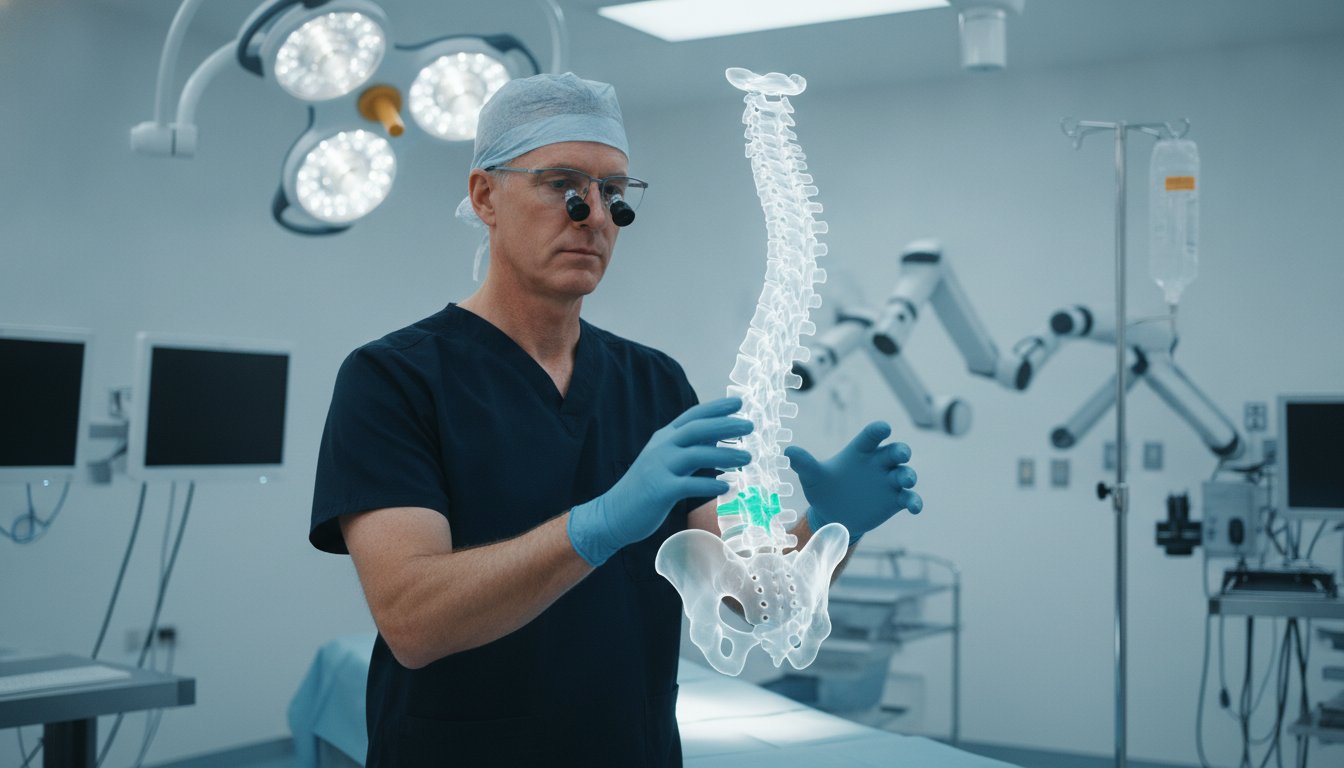
Dr. Scott Kutz, a board-certified neurosurgeon, Fellow of the American Association of Neurological Surgeons, and Fellow of the American College of Surgeons, utilizes high-tech surgical systems to provide targeted radiculopathy treatment. Modern neurosurgery at MINT focuses on achieving maximum nerve decompression with minimal disruption to surrounding tissues. This approach differs significantly from traditional “open” back surgery, which often requires large muscle dissections and longer hospital stays. By integrating robotic assistance and advanced visualization, Dr. Kutz ensures that patients in Lewisville and Plano receive care that prioritizes both safety and a rapid return to normal activity.
Endoscopic Discectomy: Precision Nerve Decompression
Endoscopic spine surgery represents the absolute forefront of surgical innovation in 2026. During this procedure, Dr. Kutz uses a tiny camera called an endoscope to view the compressed nerve root with extreme clarity. The procedure requires an incision smaller than a postage stamp, typically less than 1 cm in length. Because the tools are so small, Dr. Kutz can navigate to the herniated disc without cutting through major muscle groups. This precision reduces post operative inflammation and pain. Patients typically return home the same day as the surgery, often feeling immediate relief from the radiating leg or arm pain that previously limited their lives. You can learn more about endoscopic spine surgery at MINT to see if this ultra-minimally invasive option fits your diagnosis.
Motion Preserving Artificial Disc Replacement
For many patients, traditional spinal fusion was once the only option for chronic nerve compression. However, Dr. Scott Kutz frequently recommends artificial disc replacement as a motion preserving alternative. This procedure is ideal for patients with cervical or lumbar radiculopathy who want to maintain their natural range of motion. Unlike fusion, which locks two vertebrae together, an artificial disc mimics the function of a healthy, natural disc. This preservation of movement is crucial because it prevents “adjacent segment disease.” This condition occurs when the levels of the spine above or below a fusion site wear out prematurely due to increased stress. By maintaining natural flexibility, Dr. Kutz helps patients protect their long term spinal health while eliminating nerve pain.
Dr. Kutz also addresses complex cases using robotic assisted surgery. Utilizing the Globus Excelsius system allows for unmatched surgical precision by creating a GPS-like map of the patient’s unique anatomy. This technology ensures that every implant or decompression tool is placed with sub-millimeter accuracy. Additionally, we treat radiculopathy symptoms caused by sacroiliac (SI) joint dysfunction through minimally invasive SI joint fusion. This comprehensive toolkit allows us to resolve nerve pain while preserving the structural integrity of your spine. If you are ready to explore these advanced surgical options, you should request a consultation at our Lewisville headquarters today.
Recovery Timeline and Choosing Your Specialist in North Texas
The success of any radiculopathy treatment depends heavily on the quality of the post operative recovery plan. Dr. Scott Kutz provides a personalized recovery roadmap for every patient at our Lewisville and Plano clinics. Because minimally invasive techniques preserve the structural integrity of the spine, the timeline for returning to daily life is significantly shorter than traditional open surgeries. While every patient heals at a different rate, our 2026 clinical protocols provide a clear expectation for your journey back to health.
During the first week, your primary focus involves light walking and managing minor incision site discomfort. Dr. Kutz encourages frequent, short walks to promote circulation and prevent muscle stiffness. Most patients find they don’t need heavy pain medication after the first few days. From weeks two to four, you can typically expect a gradual return to sedentary work and light daily activities. This period allows the deeper tissues to stabilize while you regain your stamina. Between weeks six and twelve, most patients receive clinical clearance for a full return to strenuous activities, including high impact sports and heavy lifting. This structured approach ensures you reach your ultimate goal of a permanent return to normal activity without risking re-injury.
Why Credentials Matter for Spine Care
Choosing the right surgeon is the most critical decision in your healthcare journey. Dr. Scott Kutz is a board-certified neurosurgeon, a Fellow of the American Association of Neurological Surgeons, and a Fellow of the American College of Surgeons. These designations are not just titles; they represent a commitment to the highest standards of surgical excellence and patient safety. With over 20 years of experience treating complex spinal disorders in the Dallas Fort Worth area, Dr. Kutz combines deep clinical knowledge with mastery of the latest robotic and endoscopic technologies. Board certification ensures that your surgeon has undergone rigorous peer review and maintains the technical proficiency required for delicate nerve decompression.
Booking Your Consultation in Lewisville or Plano
We invite you to visit our new headquarters in Lewisville for a comprehensive evaluation of your spinal health. This state of the art facility serves as our primary hub for advanced diagnostics and surgical planning. For added convenience, we also provide satellite services for our patients in Plano and surrounding North Texas communities. Our boutique practice model ensures you receive personal attention from Dr. Kutz and his specialized team rather than getting lost in a large hospital system. You can review our patient testimonials to see real recovery stories from individuals who have successfully resolved their nerve pain through our care. Taking the first step toward a pain free life starts with a clear diagnosis and a proven treatment plan tailored to your unique anatomy.
Restore Your Mobility and Reclaim Your Quality of Life
Advanced neurosurgical techniques have redefined the possibilities for patients suffering from chronic nerve compression. By prioritizing motion-preserving technologies and ultra-minimally invasive procedures, you can finally resolve the source of your radiating pain without the burdens of traditional, high-impact surgery. Dr. Scott Kutz utilizes his 20 plus years of experience and specialized credentials as a board-certified neurosurgeon to provide precision radiculopathy treatment that focuses on your long term spinal health. Whether you visit our new Lewisville headquarters or our satellite office in Plano, you’ll receive boutique, patient-centered care designed to get you back to your favorite activities within weeks.
You don’t have to accept persistent pain or the fear of permanent nerve damage as your reality. Dr. Kutz, a Fellow of the American Association of Neurological Surgeons and a Fellow of the American College of Surgeons, remains dedicated to delivering the high-tech healing you deserve right here in North Texas. Take the first step toward a pain-free future by partnering with a specialist who puts your recovery first. Schedule your consultation with Dr. Scott Kutz at MINT today and begin your journey toward a full return to normal activity. We look forward to helping you find the lasting relief you need.
Frequently Asked Questions
How do I know if I need radiculopathy treatment?
You likely need treatment if you experience persistent radiating pain, numbness, or weakness that travels from your spine into your limbs. Dr. Scott Kutz recommends seeking a professional evaluation if these symptoms disrupt your daily life or fail to improve with rest. Clinical signs like “pins and needles” sensations or a loss of muscle strength indicate that a nerve root is compressed. Early intervention at our Lewisville or Plano offices helps prevent long term nerve damage.
What is the fastest way to heal a pinched nerve in the back?
The fastest path to recovery involves a combination of rest, physical therapy, and targeted anti inflammatory measures. Dr. Scott Kutz often starts with conservative protocols to reduce nerve root swelling and irritation. If non surgical methods don’t provide relief within 6 to 12 weeks, ultra-minimally invasive procedures like endoscopic discectomy offer the quickest surgical recovery. These advanced techniques allow most patients to return to their normal activities much faster than traditional open back surgery.
Can radiculopathy be cured without surgery?
Yes, many patients achieve a full recovery through conservative radiculopathy treatment such as physical therapy and epidural steroid injections. Dr. Scott Kutz, a board-certified neurosurgeon, prioritizes these non operative methods whenever possible. Success depends on the severity of the nerve compression and the patient’s adherence to the rehabilitation plan. We monitor your progress closely in Lewisville to ensure that conservative care is effectively resolving the underlying inflammation and restoring your mobility. For those interested in supplemental regenerative therapies, you can find out more about mobile concierge options from REVĪV that focus on spine and joint health.
What happens if radiculopathy is left untreated?
Leaving nerve compression untreated can lead to permanent nerve damage, chronic pain, and irreversible muscle wasting. Dr. Scott Kutz explains that prolonged pressure on a nerve root eventually interrupts the electrical signals between the brain and the limbs. This can result in a permanent loss of sensation or “drop foot,” where you cannot lift the front part of your foot. Timely treatment remains essential to preserve your neurological function and long term mobility.
Is minimally invasive spine surgery covered by insurance in Texas?
Most major insurance providers in Texas cover minimally invasive procedures when they are medically necessary. Because Dr. Scott Kutz utilizes evidence based techniques that often reduce hospital stays and complication rates, many insurers view these as a cost effective standard of care. Our team in Lewisville and Plano works with your provider to verify coverage for specific procedures like artificial disc replacement. You should always check your individual policy for specific out of pocket requirements.
How long does the numbness last after radiculopathy treatment?
Numbness can persist for several weeks or even months as the nerve fibers slowly regenerate after decompression. Dr. Scott Kutz notes that while pain often improves almost immediately after surgery, sensory nerves take longer to heal. The duration depends on how long the nerve was compressed before treatment. We provide a personalized recovery timeline to help you track your progress and understand the biological stages of nerve healing during your follow up visits.
What is the difference between radiculopathy and sciatica?
Radiculopathy is a broad clinical term for nerve root compression, while sciatica specifically refers to the irritation of the sciatic nerve in the lower back. Sciatica is actually a type of lumbar radiculopathy. Dr. Scott Kutz treats both conditions using precision diagnostics to identify the exact level of the spine involved. Whether the compression occurs in the neck or the lower back, our goal remains the same; we decompress the nerve to eliminate radiating symptoms.
Why should I choose a neurosurgeon over an orthopedic surgeon for nerve pain?
Neurosurgeons like Dr. Scott Kutz undergo specialized training that focuses specifically on the nervous system and the delicate structures surrounding the spinal cord. While orthopedic surgeons focus on the entire musculoskeletal system, a neurosurgeon’s expertise lies in the precision handling of nerve roots. As a Fellow of the American Association of Neurological Surgeons, Dr. Kutz brings a high level of technical skill to complex decompression procedures, ensuring the best possible protection for your neural pathways.