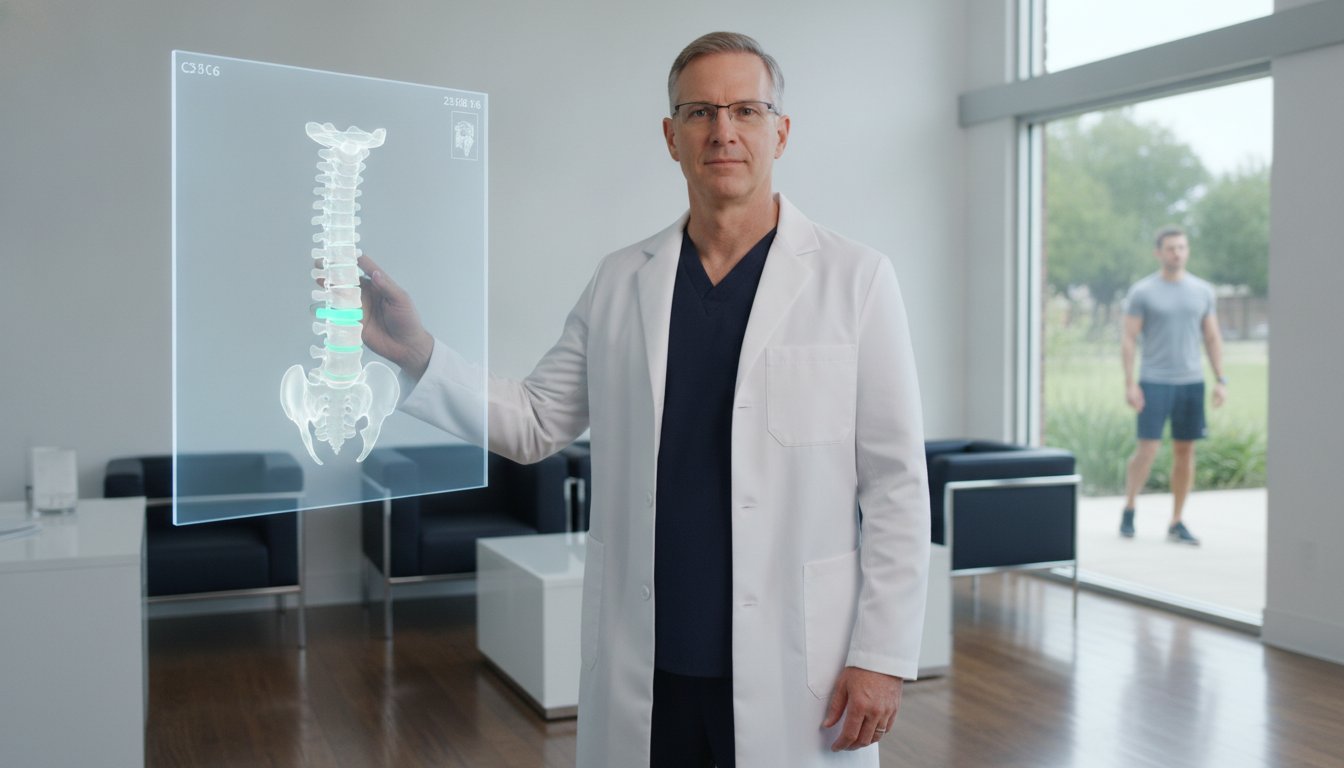
Minimally Invasive Neurosurgery of Texas (MINT) and Dr. Scott Kutz, a board-certified neurosurgeon and Fellow of the American Association of Neurological Surgeons, provide specialized care in Plano and Lewisville. The practice focuses on revision spine surgery to address complications from previous operations. Dr. Scott Kutz is also a Fellow of the American College of Surgeons and utilizes his extensive background to help patients find relief from chronic pain.
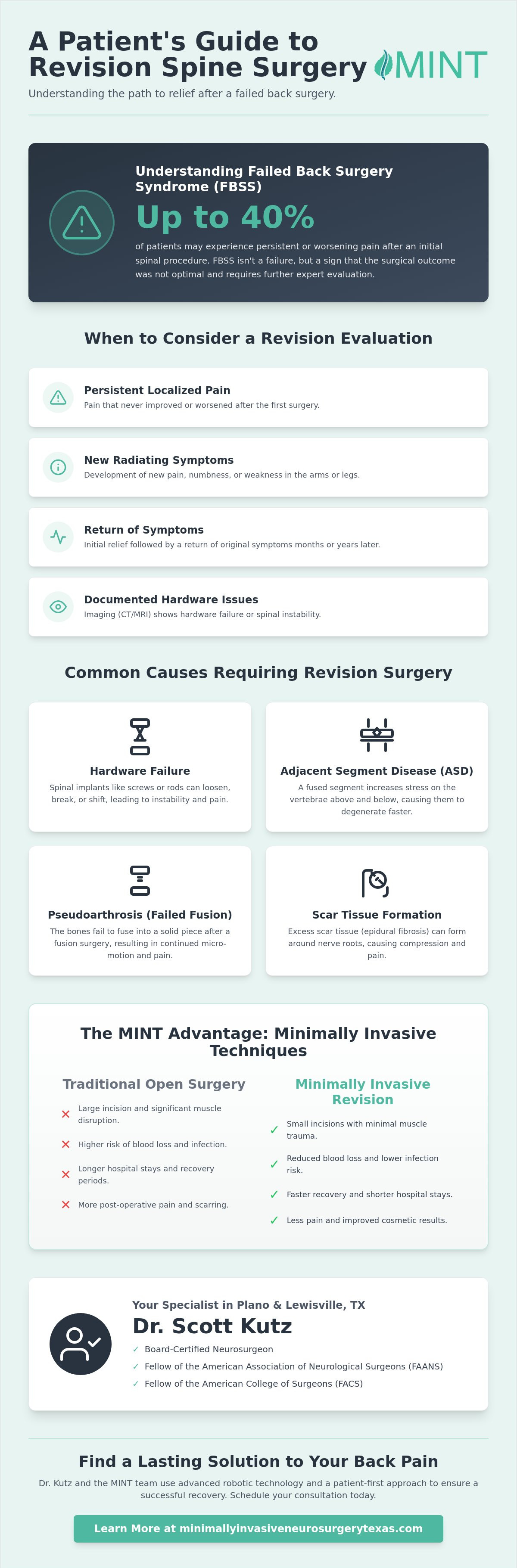
Did you know that up to 40% of patients who undergo spinal procedures may experience Failed Back Surgery Syndrome (FBSS)? It’s incredibly frustrating when persistent or worsening chronic back pain remains after your initial procedure. Many patients feel significant anxiety about undergoing a second surgery, especially when facing hardware failure or scar tissue complications. However, a revision spine surgery specialist Plano can provide a path forward using precision minimally invasive techniques. You’ll discover how Dr. Kutz identifies the exact cause of your failed surgery and uses robotic technology to ensure a successful recovery. This guide explores the diagnostic journey and the modern methodologies that help you return to your daily activities with confidence.
Key Takeaways
- Understand how a revision spine surgery specialist Plano like Dr. Scott Kutz addresses persistent post-operative pain using advanced robotic technology.
- Discover the benefits of minimally invasive techniques for treating Failed Back Surgery Syndrome (FBSS) with reduced tissue trauma and faster recovery times.
- Learn why Dr. Scott Kutz, a board-certified neurosurgeon, Fellow of the American Association of Neurological Surgeons, and Fellow of the American College of Surgeons, prioritizes a patient-first approach for complex spinal revisions.
- Find out how an accurate diagnosis of hardware failure or adjacent segment disease can lead to a successful return to your daily activities.
Understanding Revision Spine Surgery in Plano, TX
Minimally Invasive Neurosurgery of Texas (MINT), led by Dr. Scott Kutz in Plano and Lewisville, specializes in revision spine surgery. When an initial back or neck procedure does not provide the expected relief, finding a qualified revision spine surgery specialist Plano becomes the next logical step in your healthcare journey. Dr. Scott Kutz is a board-certified neurosurgeon, Fellow of the American Association of Neurological Surgeons, and Fellow of the American College of Surgeons with over 20 years of experience. He understands that patients often feel discouraged when symptoms return, and he focuses on providing a precise diagnosis to determine why the first procedure did not achieve a successful outcome.
Revision surgery involves a secondary operation to correct complications or address new structural issues that developed after a previous spinal intervention. These procedures require a higher level of technical skill because the surgeon must work around existing hardware and anatomical changes. Dr. Kutz applies his extensive clinical background to evaluate each case individually. He ensures that every patient receives a customized plan designed to resolve persistent pain and restore physical function.
The Clinical Goal of Spinal Revision
The primary objective of a revision procedure is to stabilize the spinal column and decompress impacted nerve roots. This process differs significantly from a primary surgery because the specialist must navigate through existing scar tissue. This condition is often clinically identified as Failed Back Surgery Syndrome (FBSS). Dr. Kutz utilizes minimally invasive spine techniques to minimize additional trauma to the back muscles. By focusing on spinal biomechanics, he addresses the root cause of the failure, whether it involves a lack of bone fusion or a shift in the patient’s spinal alignment.
When to Consult a Revision Specialist
Patients should consider a consultation if their recovery does not follow the expected timeline or if they experience new neurological symptoms. Dr. Kutz identifies several signs that indicate a clinical need for a revision evaluation:
- Persistent localized pain that never improved after the first surgery.
- New radiating pain, numbness, or weakness in the extremities.
- A return of symptoms months or years after a successful initial operation.
- Documented hardware failure or localized instability on imaging.
Dr. Kutz recommends seeking an evaluation if chronic pain interferes with your quality of life. He uses high-resolution CT scans and MRIs to assess the current state of your spine and previous implants. This thorough diagnostic process ensures that any subsequent intervention is necessary and targeted. By consulting a specialist early, you can explore options to stabilize your spine and begin your return to normal activity.
Common Causes of Failed Back Surgery Syndrome (FBSS)
Failed Back Surgery Syndrome (FBSS) is a clinical term that describes persistent or worsening pain after a spinal operation. Dr. Scott Kutz, a board-certified neurosurgeon, Fellow of the American Association of Neurological Surgeons, and Fellow of the American College of Surgeons, explains that this diagnosis does not mean the surgeon or the patient failed. Instead, it indicates that the biological or mechanical outcome was suboptimal. There are many potential causes of failed back surgery, and identifying the specific reason is the first step toward a successful recovery.
One primary reason for a secondary procedure is adjacent segment disease (ASD). This condition occurs when the spinal levels above or below a previous fusion site begin to degenerate at an accelerated rate. Because the fused segment is rigid, the neighboring discs must absorb more stress during movement, which leads to new pain and instability. As a revision spine surgery specialist Plano, Dr. Kutz evaluates these changes to determine if extending a fusion or performing a decompression can restore your quality of life.
Hardware Failure and Pseudoarthrosis
Pseudoarthrosis refers to the failure of a bone fusion to heal properly into a solid, stable structure. When the bones do not fuse, the spine remains unstable, which often leads to chronic discomfort. This lack of stability can cause hardware failure, such as pedicle screws loosening or rods breaking under the repetitive stress of daily movement. Dr. Kutz identifies these mechanical issues using high-resolution CT scans and dynamic X-rays. If you suspect your previous implants have shifted, you can schedule a detailed diagnostic evaluation at MINT to confirm the integrity of your hardware.
Scar Tissue and Recurrent Herniation
Epidural fibrosis is the formation of scar tissue near the nerve roots after surgery. While some scarring is a normal part of healing, excessive tissue can compress or irritate sensitive nerves, which mimics the pain of the original condition. Patients may also suffer from a recurrent disc herniation, where disc material escapes again at the same level that was previously treated. For these complex cases, Dr. Kutz may utilize endoscopic spine surgery. This minimally invasive approach allows him to remove problematic tissue or herniated fragments through a tiny port, which minimizes disruption to the surrounding muscles and helps you return to normal activity.
Benefits of Minimally Invasive Revision Spine Surgery
Minimally invasive techniques represent the gold standard for patients requiring a second spinal procedure. When a patient undergoes a revision, the surgical site often contains significant epidural fibrosis, or scar tissue, which can tether nerve roots and obscure anatomical landmarks. A revision spine surgery specialist Plano utilizes Minimally Invasive Spine Surgery to navigate these complexities with a level of safety that traditional open surgery cannot match. By using specialized tubes and dilators to create a path to the spine, Dr. Scott Kutz avoids the need for large muscle-stripping retractions. This preservation of the surrounding soft tissue leads to significantly less intraoperative blood loss and a lower risk of post-operative complications.
The reduction in physical trauma translates directly to a more manageable recovery for the patient. Traditional open revisions often involve extensive incisions that require a long healing period and result in significant post-surgical pain. In contrast, the minimally invasive approach uses incisions often smaller than an inch. Patients typically report less reliance on narcotic pain medication and a faster return to their normal daily activities. Because these techniques minimize muscle disruption, Plano patients often find they can return to work and light exercise much sooner than those who undergo conventional open procedures.
Robotic Precision with Globus Excelsius
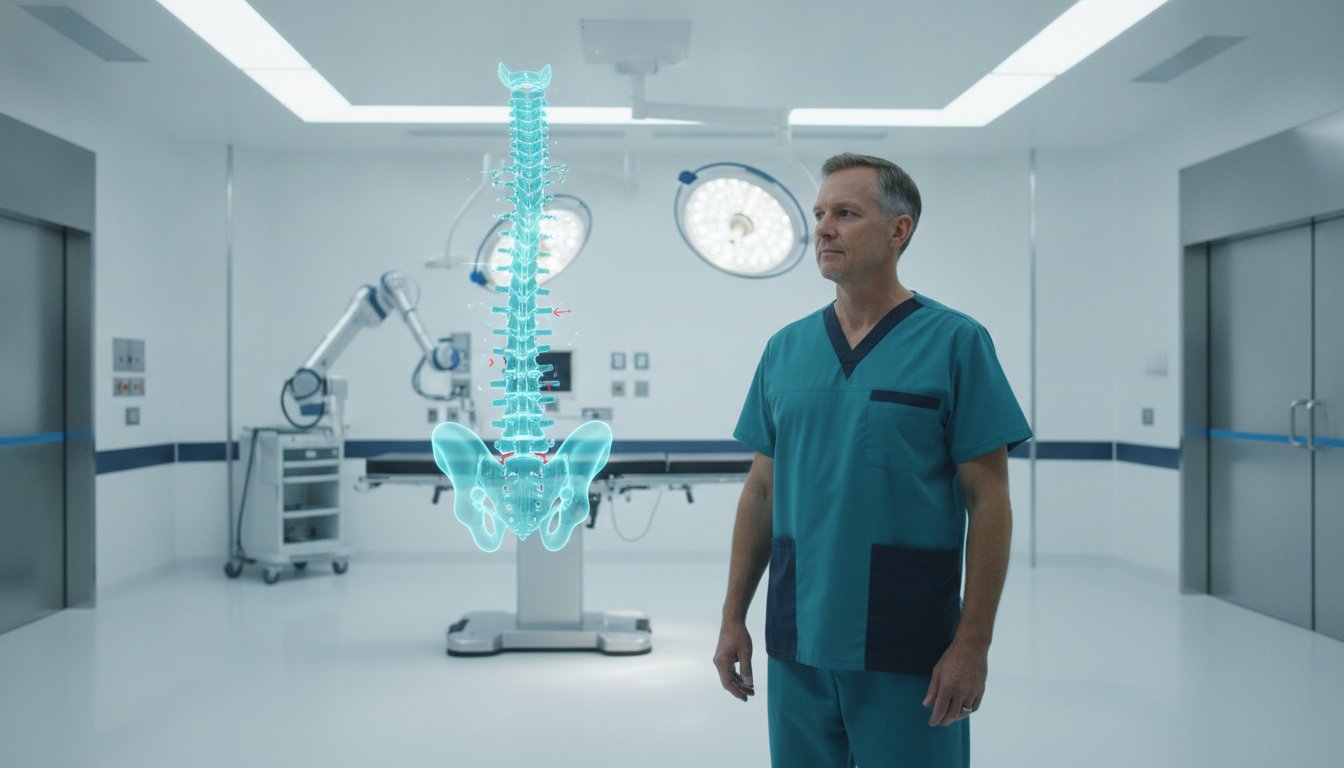
Dr. Scott Kutz integrates the Globus Excelsius GPS robotic navigation system into his revision procedures to ensure unparalleled accuracy. During a revision, existing hardware from the previous surgery can make it difficult to identify the ideal placement for new implants. This robotic platform combines real-time imaging with a rigid robotic arm, providing Dr. Kutz with a live map of the patient’s unique anatomy. This high-tech approach allows for sub-millimeter precision in screw placement, which is vital when working around previously fused bone or compromised spinal segments. The result is a more stable spinal reconstruction with a reduced risk of hardware failure in the future.
Endoscopic Revision Techniques
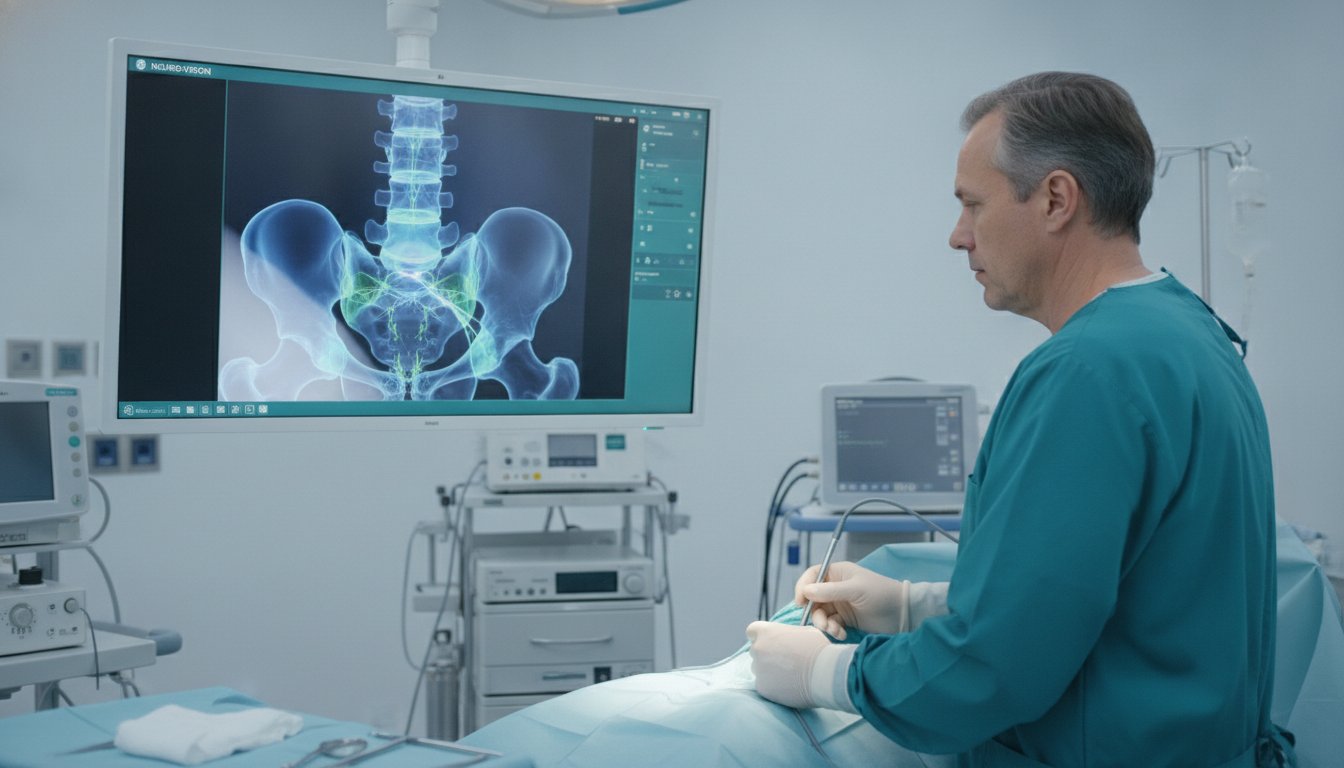
For patients suffering from recurrent disc herniations or localized nerve impingement, Dr. Kutz may utilize endoscopic spine surgery. This advanced method involves inserting a high-definition camera through a tiny port, providing a clear and magnified view of the spinal nerves. As a Fellow of the American Association of Neurological Surgeons, Dr. Kutz possesses the specialized training required to decompress nerves through these microscopic channels. This technique allows him to remove problematic scar tissue or herniated fragments without disturbing the stability of the spine. By avoiding large muscle retractions, this endoscopic approach further accelerates the healing process and helps patients achieve long-term relief from chronic pain.
Preparing for Your Revision Consultation in Plano
A successful revision begins with a meticulous evaluation of why the first surgery did not achieve the desired outcome. Dr. Scott Kutz, a board-certified neurosurgeon and Fellow of the American Association of Neurological Surgeons, believes that a patient’s clinical history is the most valuable diagnostic tool. When you visit a revision spine surgery specialist Plano, you should expect a deep dive into your surgical journey. Dr. Kutz prioritizes patient-first communication to ensure you fully understand your diagnosis before discussing any surgical options. Patients visiting from Flower Mound, Allen, and McKinney should prepare by gathering all relevant documentation to help the clinical team build a complete picture of their spinal health.
Sometimes, imaging alone cannot pinpoint the exact source of chronic pain. In these cases, Dr. Kutz may utilize diagnostic injections. These procedures involve precisely placing numbing medication near specific nerves or joints to see if the pain temporarily subsides. If the injection provides relief, it confirms the specific “pain generator.” This allows Dr. Kutz to create a more targeted surgical approach, which increases the likelihood of a successful outcome and a return to normal activity. You can learn more about our patient-centered approach on our about us page.
Gathering Your Medical Records
To maximize the efficiency of your consultation at MINT, please follow these three essential steps:
- Step 1: Obtain previous operative reports and specific implant records. Knowing exactly what was done and what hardware was used is critical for planning a revision.
- Step 2: Secure copies of all previous imaging on discs. This includes MRIs, CT scans, and X-rays taken both before and after your initial surgery.
- Step 3: Document a detailed timeline of your symptoms. Note when the pain returned or if it never truly left after the first procedure.
The Diagnostic Evaluation Process
During your appointment at our Plano office, Dr. Kutz performs a comprehensive physical exam and neurological testing. He assesses your strength, reflexes, and range of motion to identify any functional deficits. While previous records are helpful, Dr. Kutz often orders new, high-resolution imaging to visualize the current state of your spine. This is necessary because spinal conditions are dynamic and can change significantly in the months following an operation.
Dr. Kutz uses these diagnostic findings to create a personalized surgical plan tailored to your specific anatomy and goals. He takes the time to sit with you and review your imaging, explaining the structural issues in plain English. This collaborative approach ensures that you move from a state of concern to a state of informed confidence. By combining his expertise as a Fellow of the American College of Surgeons with advanced diagnostic technology, he provides the clarity needed to pursue a successful recovery. If you are ready to find answers for your persistent pain, you can book your revision consultation today.
Why Choose Dr. Scott Kutz at MINT for Your Revision
Dr. Scott Kutz provides a specialized level of expertise as a revision spine surgery specialist Plano. He is a board-certified neurosurgeon and holds prestigious fellowships as a Fellow of the American Association of Neurological Surgeons and a Fellow of the American College of Surgeons. These credentials reflect a career dedicated to mastering the most complex spinal conditions. Unlike the impersonal atmosphere of large hospital systems, Minimally Invasive Neurosurgery of Texas (MINT) offers a boutique surgical experience. This environment ensures that every patient receives direct, personalized attention from their surgeon and clinical team. Dr. Kutz focuses on the relief of suffering and the restoration of function, making a return to normal activity the ultimate value proposition for every individual he treats.
The practice continues to grow to meet the needs of the North Texas community. In 2026, MINT will open its new headquarters in Lewisville, TX, providing even greater access to high-tech spinal care. This expansion allows Dr. Kutz to bring his specialized surgical methodologies to more patients who are struggling with the aftermath of failed procedures. By combining a local, community-focused persona with the precision of a high-tech healer, Dr. Kutz creates a narrative of recovery and progress for those who previously felt their options were exhausted.
A Patient-Centered Approach to Spine Care
The clinical philosophy at MINT relies on evidence-based medicine and the most recent technological innovations. Dr. Kutz prioritizes motion-preserving surgery whenever the clinical situation allows. This approach, which includes procedures like artificial disc replacement, maintains the natural flexibility of the spinal column and reduces the stress on neighboring segments. By preserving motion rather than simply fusing every problematic level, Dr. Kutz helps patients maintain a more natural range of movement. You can learn more about his background and his commitment to patient-centered care on our About Us page.
Serving the Dallas-Fort Worth Metroplex
MINT serves a broad geographic area, providing advanced surgical solutions to residents in Plano, Lewisville, Frisco, and Southlake. As a Fellow of the American College of Surgeons, Dr. Kutz adheres to the highest standards of surgical ethics and technical proficiency. This commitment to excellence makes MINT a primary destination for patients seeking a second opinion. If you are dealing with the physical and emotional burden of Failed Back Surgery Syndrome, a specialized evaluation can provide the clarity you need. Our team uses a results-oriented rhythm to move you from a state of chronic pain to a state of informed confidence. We invite you to schedule a comprehensive evaluation to discuss your revision options and start your path toward a more active life.
Restore Your Mobility with Precision Spine Care
Persistent pain after a spinal procedure shouldn’t be your permanent reality. Dr. Scott Kutz, a board-certified neurosurgeon, Fellow of the American Association of Neurological Surgeons, and Fellow of the American College of Surgeons, offers the specialized expertise required to correct complex spinal issues. With over 20 years of experience, he combines compassionate care with the precision of Globus Excelsius robotic navigation. As a revision spine surgery specialist Plano, Dr. Kutz focuses on minimally invasive techniques that reduce tissue trauma and facilitate a faster recovery. Whether you’re dealing with hardware failure or adjacent segment disease, our team at MINT provides the diagnostic clarity and advanced surgical solutions you deserve. You don’t have to live with the uncertainty of Failed Back Surgery Syndrome. Modern surgical innovations allow for targeted corrections that were once much more invasive. Schedule your revision consultation with Dr. Scott Kutz today to begin your journey back to a pain-free lifestyle. We look forward to helping you achieve a successful return to normal activity and the comfort you’ve been seeking.
Frequently Asked Questions
What is the success rate of revision spine surgery compared to the first surgery?
Good to excellent outcomes for revision spine surgery range from 60% to 80% according to clinical data from November 2025. While this success rate is slightly lower than a primary procedure, choosing a revision spine surgery specialist Plano like Dr. Scott Kutz increases the likelihood of a positive result. He identifies the specific mechanical or biological cause of the initial failure to ensure the revision addresses the root of your pain.
How long is the recovery period after a minimally invasive revision procedure?
Recovery after a minimally invasive revision typically allows patients to return to light daily activities within two to four weeks. A full return to normal activity usually takes six to twelve weeks depending on the complexity of the reconstruction. Because Dr. Kutz uses smaller incisions and avoids extensive muscle disruption, you’ll likely experience less post-operative pain and a faster healing timeline than with traditional open surgery.
Can Dr. Scott Kutz fix a failed spinal fusion?
Yes, Dr. Scott Kutz specializes in treating pseudoarthrosis, which is the clinical term for a failed bone fusion. He utilizes the Globus Excelsius GPS robotic system to navigate around existing hardware and ensure precise placement of new implants. This stabilization helps the bones finally fuse into a solid mass, which resolves the instability and chronic pain often associated with Failed Back Surgery Syndrome.
Will insurance cover a revision spine surgery in Plano?
Most major insurance providers in Texas cover revision procedures when they’re medically necessary. Insurers like UnitedHealthcare and Blue Cross Blue Shield typically require a documented six-month trial of unsuccessful conservative treatments, such as physical therapy or injections, before approving surgery. Our team at MINT helps patients navigate these policy requirements to ensure their care meets the latest 2026 insurance guidelines.
What are the risks of waiting to have a revision surgery for hardware failure?
Delaying a revision for hardware failure increases the risk of permanent nerve damage and progressive spinal instability. Loosened screws or broken rods can irritate surrounding tissues and lead to chronic inflammation or adjacent segment disease. Dr. Kutz recommends an early evaluation if you suspect your implants have shifted, as addressing the issue promptly prevents further damage to the spinal cord and nerve roots.
Is robotic-assisted surgery safer for revision cases?
Robotic-assisted surgery provides a higher level of safety during revision cases by offering sub-millimeter precision. Dr. Kutz uses the Globus Excelsius system to create a real-time map of your anatomy, which is vital when scar tissue obscures normal landmarks. This technology allows him to avoid critical structures and ensures that new hardware is placed in the most stable bone possible for a successful outcome.
How do I know if my back pain is from scar tissue or a new herniation?
It’s difficult to distinguish between scar tissue and a new herniation based on symptoms alone because both conditions cause radiating pain and numbness. Scar tissue, or epidural fibrosis, often develops gradually, while a recurrent herniation might cause a sudden return of sharp pain. Dr. Kutz uses high-resolution MRI with contrast to visualize the difference and determine if you need a decompression or a different intervention.
Do I need a referral to see Dr. Kutz at MINT?
Whether you need a referral depends on your specific insurance plan’s requirements. PPO plans usually allow you to schedule directly with a specialist, while HMO plans often require a referral from your primary care physician. You can contact our office in Plano or Lewisville to verify your coverage and find out which steps are necessary to begin your diagnostic journey with Dr. Scott Kutz.