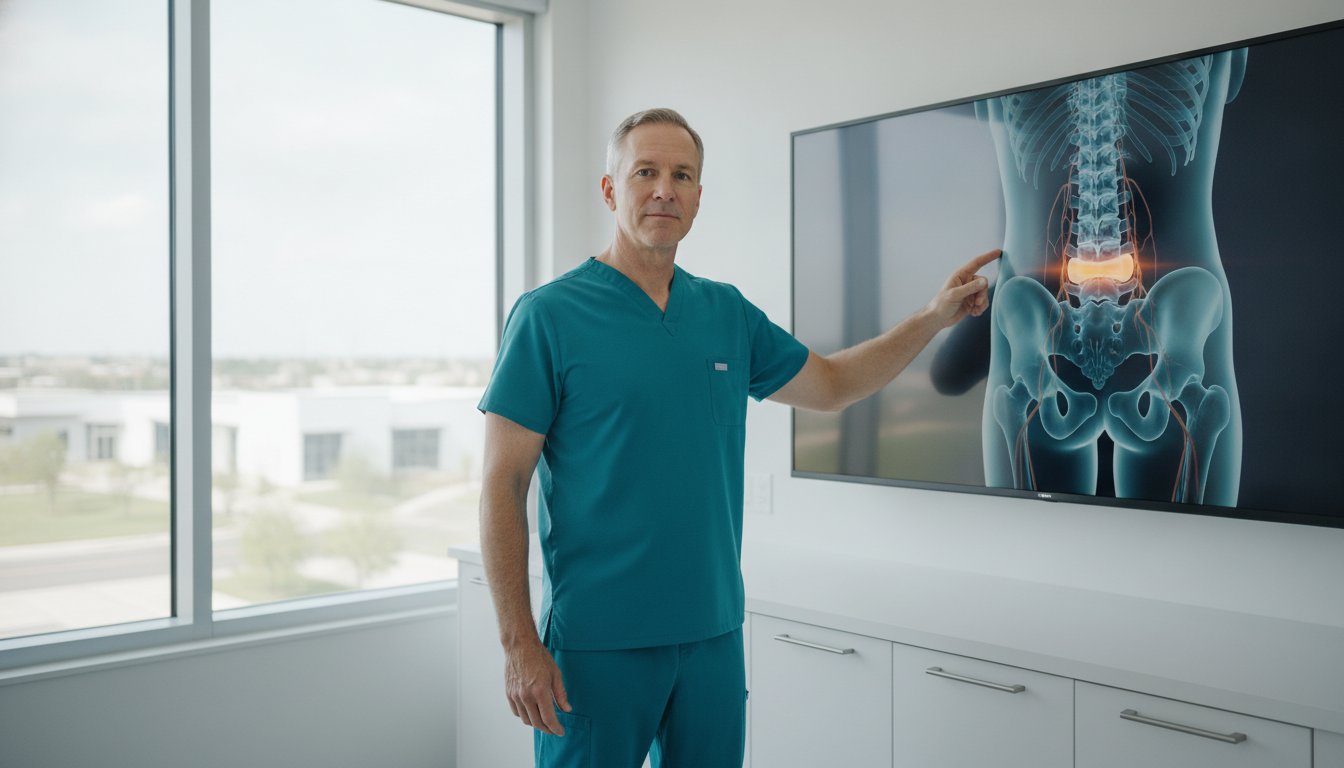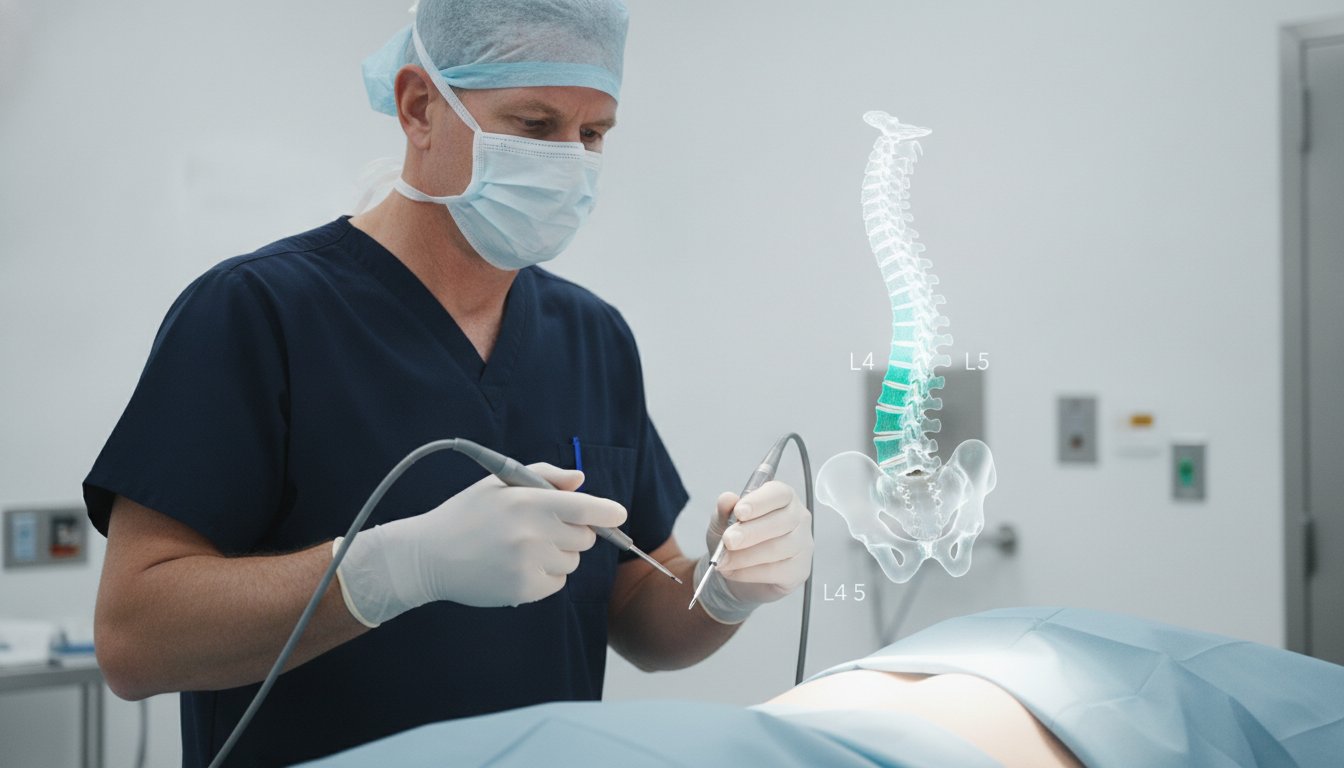
What if you could trade the heavy, cramping sensation in your legs for a pain-free walk through your neighborhood after just a few hours in a specialized surgical suite? Many patients suffering from spinal narrowing believe that a long, painful recovery is the only path to relief. We understand the frustration of chronic leg heaviness and the anxiety that comes with the prospect of traditional back surgery. This 2026 guide explains how board-certified neurosurgeon Dr. Scott Kutz utilizes advanced minimally invasive surgery for spinal stenosis to relieve your symptoms and accelerate your return to normal activity. Dr. Kutz is a Fellow of the American Association of Neurological Surgeons and a Fellow of the American College of Surgeons who specializes in motion-preserving techniques at Minimally Invasive Neurosurgery of Texas (MINT). By leveraging robotic navigation and endoscopic tools at our clinics in Lewisville and Plano, we ensure same-day discharge and a significantly faster recovery timeline than traditional methods.
Key Takeaways
- Understand how minimally invasive surgery for spinal stenosis at MINT provides a sophisticated alternative to traditional open procedures by using specialized retractors to preserve muscle tissue.
- Discover the differences between high-definition endoscopic spine surgery and micro-laminectomy to see how precision-guided techniques address your specific nerve compression.
- Learn about the accelerated recovery timeline at our Lewisville and Plano clinics where most patients walk unassisted within two hours of their outpatient procedure.
- Explore why board-certified neurosurgeon Dr. Scott Kutz is the preferred choice for patients seeking advanced, motion-preserving spine care in the North Texas region.
What is minimally invasive surgery for spinal stenosis?
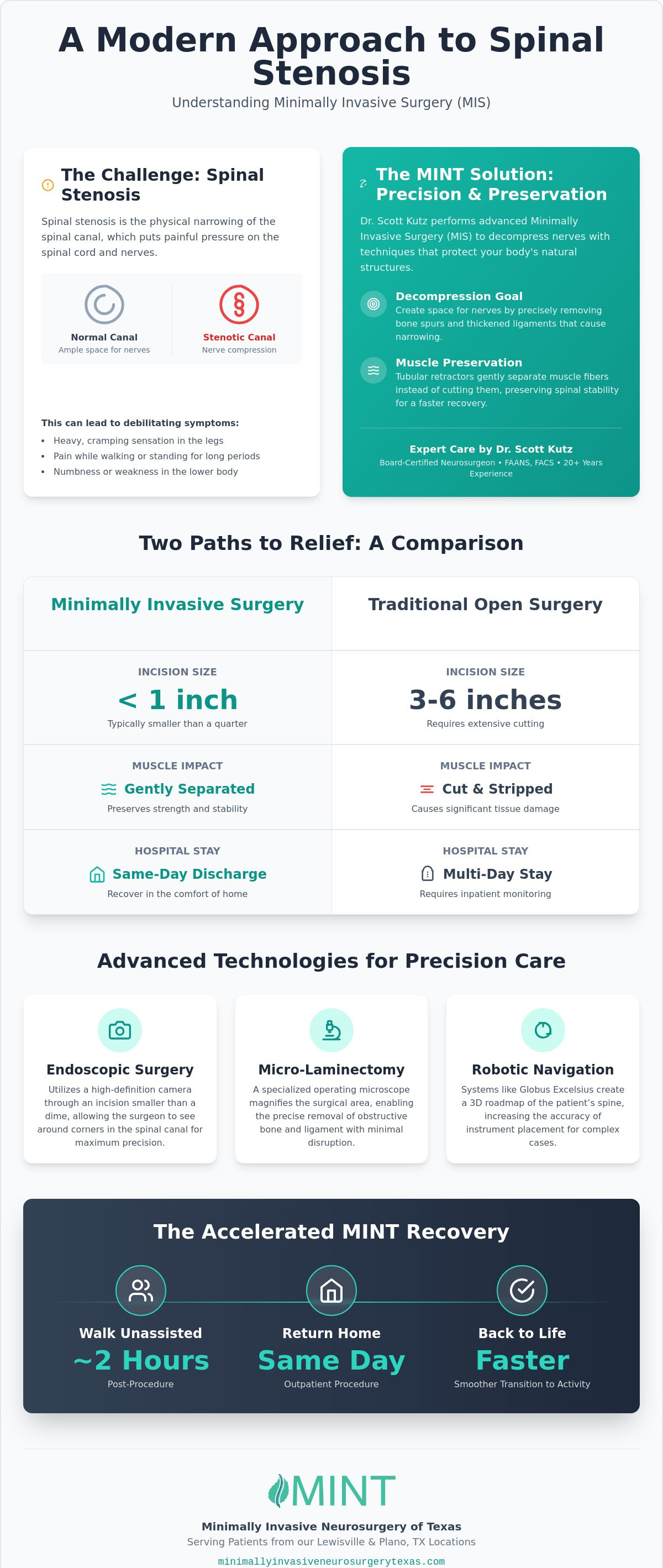
Spinal stenosis represents the physical narrowing of the spinal canal spaces, a condition that frequently leads to debilitating nerve compression. Minimally Invasive Neurosurgery of Texas (MINT) provides advanced surgical care to address this narrowing through precision-based techniques. Dr. Scott Kutz performs these procedures in Lewisville and Plano to treat patients who have not found relief through conservative management. A minimally invasive surgery for spinal stenosis involves the use of specialized tools, such as tubular retractors, that allow the surgeon to decompress nerves through incisions measuring less than one inch. This Minimally invasive spine surgery approach serves as a modern alternative to traditional open procedures that require extensive tissue disruption and longer recovery times.
The clinical goal of decompression
The primary objective during this procedure involves creating essential space for the neural structures within the spinal column. Dr. Scott Kutz removes bone spurs, which are bony overgrowths, or thickened ligaments like the ligamentum flavum that have encroached upon the spinal canal over time. Unlike traditional methods that strip muscle away from the bone, MIS techniques preserve the multifidus muscle and other critical stabilizing tissues. These muscles play a vital role in spinal stability and overall back health. Dr. Scott Kutz prioritizes preserving the natural biomechanics of the patient spine to ensure a smoother transition back to daily life. By maintaining the integrity of these supporting structures, the practice reduces the physical impact of the surgery while achieving the necessary decompression to stop chronic leg pain and heaviness.
Why neurosurgical expertise matters
Board-certified neurosurgeons possess specialized training in the delicate handling of spinal nerves and the spinal cord. Dr. Scott Kutz, a Fellow of the American Association of Neurological Surgeons and a Fellow of the American College of Surgeons, utilizes his 20 years of clinical experience to plan precision-driven MIS approaches at our Lewisville headquarters and Plano office. This depth of knowledge is crucial when navigating the complex anatomy of the spinal canal. Neurosurgical MIS significantly reduces the risk of incidental durotomy compared to traditional open methods. This complication involves a tear in the protective layer of the spinal cord; a neurosurgeon’s refined technique helps prevent such occurrences through better visualization and specialized instruments. By choosing a boutique practice like MINT, you receive high-tech care from a dedicated physician who understands the nuances of neurological health and prioritizes your return to normal activity.
Types of MIS procedures for spinal narrowing
While the objective of creating space remains constant, the specific technological path Dr. Scott Kutz chooses depends on your unique diagnostic imaging. He utilizes minimally invasive surgery for spinal stenosis to target specific points of pressure without disturbing the surrounding anatomy. Micro-laminectomy serves as a cornerstone of this approach, using a specialized operating microscope to guide the removal of obstructive bone and ligament. This magnification allows the surgeon to perform the decompression with extreme precision, ensuring the safety of the neural structures while achieving the desired clinical outcome. Dr. Scott Kutz, a board-certified neurosurgeon and Fellow of the American College of Surgeons, evaluates the degree of canal narrowing at our Lewisville and Plano offices to select the ideal methodology for your specific case.
Endoscopic decompression techniques
Endoscopic spine surgery provides high-definition visualization of the compressed nerve roots through a portal smaller than a dime. Dr. Scott Kutz uses an endoscope to see around corners within the spinal canal, a capability that traditional open surgery cannot match. This technique requires the smallest possible incision and results in minimal blood loss because it respects the natural planes of the muscle tissue. Patients often experience less post-operative soreness due to this ultra-narrow access point. You can learn more about the technical steps of endoscopic spine surgery and how it facilitates a faster return to normal activity.
Robotic-assisted precision
The Globus Excelsius system allows Dr. Scott Kutz to map the patient’s spine in three dimensions, creating a personalized surgical roadmap. This robotic navigation increases the accuracy of instrument placement during decompression, which is vital for complex cases of narrowing. We also incorporate Augmedics AR, which provides an X-ray vision effect to guide the surgeon through the skin by projecting internal anatomy onto a wearable headset. These benefits of minimally invasive surgery include shorter operative times and reduced reliance on traditional fluoroscopy. By linking Globus Excelsius technology with board-certified expertise, MINT provides a sophisticated level of care for patients in Lewisville and Plano. If you want to discuss your symptoms, you can contact our team for an evaluation.
MIS vs. traditional surgery for spinal stenosis
Traditional open surgery for spinal narrowing often involves a long incision and the detachment of significant muscle mass from the vertebrae. This stripping process causes much of the post-operative pain and stiffness patients experience during their recovery. At MINT, Dr. Scott Kutz utilizes minimally invasive surgery for spinal stenosis to avoid this unnecessary trauma. Instead of cutting through healthy tissue, he uses a series of tubular retractors to gently push the muscle aside. This muscle-splitting approach leaves the supporting structures intact, which is a hallmark of the minimally invasive spine techniques provided at our Lewisville and Plano locations.
Comparing recovery and hospital stays
MIS procedures for stenosis are typically performed in an outpatient setting. Most patients arrive at our surgical center in the morning and return home by the afternoon. In contrast, open surgery often requires a two to three-day hospital stay specifically for pain management and monitoring. Dr. Scott Kutz, a board-certified neurosurgeon and Fellow of the American Association of Neurological Surgeons, emphasizes that smaller incisions naturally lead to lower infection rates. Because the surgical site has less exposure to the external environment, the risk of complications decreases. Patients typically report needing fewer narcotic pain medications and return to their professional duties weeks earlier than those who undergo traditional laminectomies.
Long-term motion preservation
Long-term stability remains a primary concern for any patient facing back surgery. Traditional methods often remove large portions of bone and ligament to reach the nerves, which can destabilize the spinal column over time. Dr. Scott Kutz focuses on maintaining the structural integrity of the spine by using minimally invasive decompression (MID). This technique preserves the midline structures, such as the spinous process and interspinous ligaments, which are critical for balance and natural movement. By avoiding extensive bone removal, MIS reduces the likelihood that a patient will need a future spinal fusion. This motion-preserving philosophy ensures that patients don’t just find temporary relief but maintain their natural spinal function for years to come. Our boutique practice model ensures you receive this high-tech care with the personal attention you deserve in the Dallas-Fort Worth area.
Recovery timeline for minimally invasive stenosis surgery
Patients who choose minimally invasive surgery for spinal stenosis at MINT often find the recovery process significantly more efficient than traditional open procedures. Most patients walk unassisted within two hours of their procedure. This rapid mobilization occurs because the surgical approach preserves the muscles and ligaments that support the spine. Dr. Scott Kutz, board-certified neurosurgeon, Fellow of the American Association of Neurological Surgeons, and Fellow of the American College of Surgeons, recommends light walking immediately after discharge. This gentle movement promotes essential blood flow to the surgical site and supports the natural healing process. Pain management typically involves over-the-counter medications like ibuprofen or acetaminophen. Most patients find they don’t require heavy narcotics, which often cause unwanted side effects such as grogginess. Patients living in Lewisville and Plano typically return to sedentary work within one week of their surgery, a timeline that reflects the precision of our high-tech methods.
The first 48 hours post-procedure
During the first two days, your primary focus involves keeping the small incision clean and dry according to the specific protocols established by our specialized team. You should avoid lifting anything heavier than a gallon of milk during this initial phase to protect the internal healing tissues. Dr. Scott Kutz encourages frequent, short walks around your home to prevent stiffness and maintain healthy circulation. This period is about allowing the body to settle after the decompression while maintaining a low level of activity that avoids strain. Our boutique surgical center provides detailed post-operative instructions to ensure you feel confident during these first 48 hours. Key goals during this phase include:
- Keeping the incision site clean and dry.
- Avoiding lifting objects over eight pounds.
- Walking for five to ten minutes every few hours.
- Monitoring the site for any signs of redness or swelling.
Weeks two through six
As you move into the second week, you will begin to notice a gradual increase in your energy and mobility. Most patients at our Lewisville or Plano offices start a personalized stretching routine at this stage. These exercises improve flexibility and strengthen the core muscles that support your spinal column. You can read about similar recoveries and patient experiences with endoscopic spine surgery and other advanced techniques on our website. Dr. Scott Kutz evaluates your progress at a follow-up appointment in our Lewisville headquarters or Plano office. This visit allows the surgeon to confirm that the nerve decompression is successful and that you are progressing toward a full return to normal activity. If you’re ready to start your journey toward a pain-free life, you can request an appointment at our Lewisville or Plano office.
Choosing Dr. Scott Kutz for stenosis care in North Texas
Selecting the right specialist is the most critical step in your journey toward physical recovery. Dr. Scott Kutz, a board-certified neurosurgeon, Fellow of the American Association of Neurological Surgeons, and Fellow of the American College of Surgeons, provides a level of expertise that large hospital systems often lack. At Minimally Invasive Neurosurgery of Texas (MINT), we treat you as an individual with specific lifestyle goals rather than a case number. Our Lewisville headquarters, which opened in 2026, offers a modern environment designed for advanced spinal consultations and precision diagnostics. While Dr. Kutz specializes in minimally invasive surgery for spinal stenosis, our practice prioritizes non-surgical options first. We only recommend surgical intervention when conservative therapies fail to provide the relief you need to return to normal activity.
Our patient-centered care model focuses on your unique mobility goals and lifestyle requirements. Whether you want to return to the golf course or simply walk through your neighborhood without pain, we tailor every treatment plan to your specific needs. This boutique approach ensures that you receive personal attention from Dr. Scott Kutz and his specialized staff throughout your diagnostic journey. We combine compassionate reassurance with the clinical authority necessary to manage complex nerve compression. By choosing a specialized surgical center, you gain access to the absolute forefront of modern innovation in a setting that values your comfort and time.
Convenient locations in Lewisville and Plano
MINT provides two state-of-the-art facilities to serve the North Texas community with specialized care. The Lewisville office serves as our primary headquarters and is conveniently located for patients traveling from Flower Mound, Highland Village, Southlake, and Carrollton. Our Plano satellite office provides easy access for residents of McKinney, Allen, and Frisco. Both locations feature precision-based diagnostic tools to accurately map your spinal narrowing. These high-tech systems allow Dr. Scott Kutz to visualize the exact degree of stenosis before you ever enter an operating room. You can learn more about our commitment to clinical excellence by visiting our about us page.
Schedule your consultation at MINT
If you feel ready to address your chronic leg heaviness or persistent back pain, the MINT team is here to support you. You can contact us at (972) 244-3491 to discuss your spinal stenosis symptoms with a knowledgeable professional. During your initial visit, Dr. Scott Kutz will review your imaging and determine if MIS is the most appropriate path for your recovery. We believe that informed patients make the best healthcare decisions, so we take the time to explain every detail of your diagnosis. Take the first step toward a pain-free life by visiting the MINT homepage today. Our goal is to move you from a state of concern to a state of confidence through specialized, motion-preserving care.
Reclaim Your Active Lifestyle in North Texas
Advancements in spinal care mean you don’t have to choose between living with chronic pain and enduring a traumatic traditional surgery. By choosing board-certified neurosurgeon Dr. Scott Kutz, you access a level of surgical precision that mirrors the standards of Red Dot Design Award winning technology. These same-day outpatient procedures prioritize the preservation of your natural spinal motion and muscle integrity. Opting for minimally invasive surgery for spinal stenosis allows you to trade long hospital stays for a rapid return to your normal activity. Whether you visit our Lewisville headquarters or our Plano satellite office, you receive care that is both high-tech and deeply personal. Don’t let spinal narrowing dictate your mobility for another year. Our results-oriented approach moves you from a state of frustration to a state of informed confidence. Schedule your consultation with Dr. Scott Kutz today to begin your journey toward a pain-free life. We look forward to helping you move freely again.
Frequently Asked Questions
Is minimally invasive surgery for spinal stenosis permanent?
This procedure provides long-term relief by physically removing the bone spurs or thickened ligaments that cause nerve compression. While it addresses the structural narrowing, your spine continues to age naturally. Most patients experience lasting results that allow them to maintain an active lifestyle for many years without recurring symptoms at the treated level.
Can spinal stenosis be cured without surgery?
Non-surgical treatments like physical therapy or epidural steroid injections manage symptoms but cannot reverse the physical narrowing of the spinal canal. Surgery remains the only method to remove obstructive tissue and create permanent space for the nerves. Dr. Scott Kutz prioritizes conservative care first and only recommends intervention when these methods fail to improve your quality of life.
How long does the MIS procedure for stenosis take?
A typical minimally invasive surgery for spinal stenosis performed by Dr. Scott Kutz takes between 45 and 90 minutes. The exact duration depends on whether the surgeon needs to decompress a single level or multiple segments of the spine. Because these are outpatient procedures, you will spend a few additional hours in recovery before returning home the same day.
Is Dr. Scott Kutz an expert in endoscopic spine surgery?
Dr. Scott Kutz is a board-certified neurosurgeon with over 20 years of experience specializing in high-tech spinal interventions. As a Fellow of the American Association of Neurological Surgeons, he masters the use of endoscopic cameras and robotic navigation systems. His expertise allows him to perform complex decompressions through incisions smaller than a standard postage stamp.
What is the success rate of MIS for spinal stenosis?
Clinical data shows that decompression surgery for spinal stenosis has a success rate of up to 90% for properly selected patients. Most individuals report significant reductions in leg pain and heaviness immediately following the procedure. Dr. Scott Kutz uses precision mapping to ensure the highest possible success rate for patients at our Lewisville and Plano clinics.
Will insurance cover robotic-assisted spine surgery at MINT?
Most major insurance providers, including Blue Cross Blue Shield of Texas and Medicare, cover minimally invasive decompression when patients meet medical necessity requirements. These requirements typically include six months of failed conservative therapy and diagnostic imaging showing nerve compression. Our administrative team helps you navigate the authorization process to ensure you receive the benefits you deserve.
How soon can I drive after MIS for spinal stenosis?
Most patients return to driving within one to two weeks after their procedure. You must meet two specific criteria before getting behind the wheel: you must no longer require narcotic pain medication and you must possess the reaction speed necessary for safe operation. Dr. Scott Kutz provides a personalized timeline during your first follow-up appointment in Lewisville or Plano.
What happens if I delay surgery for spinal stenosis?
Delaying necessary surgery can lead to progressive nerve damage and permanent muscle weakness in the legs. Over time, chronic compression reduces your mobility and may lead to a sedentary lifestyle that impacts your cardiovascular health. In rare, severe cases, untreated stenosis can cause loss of bowel or bladder control, which requires emergency medical attention.