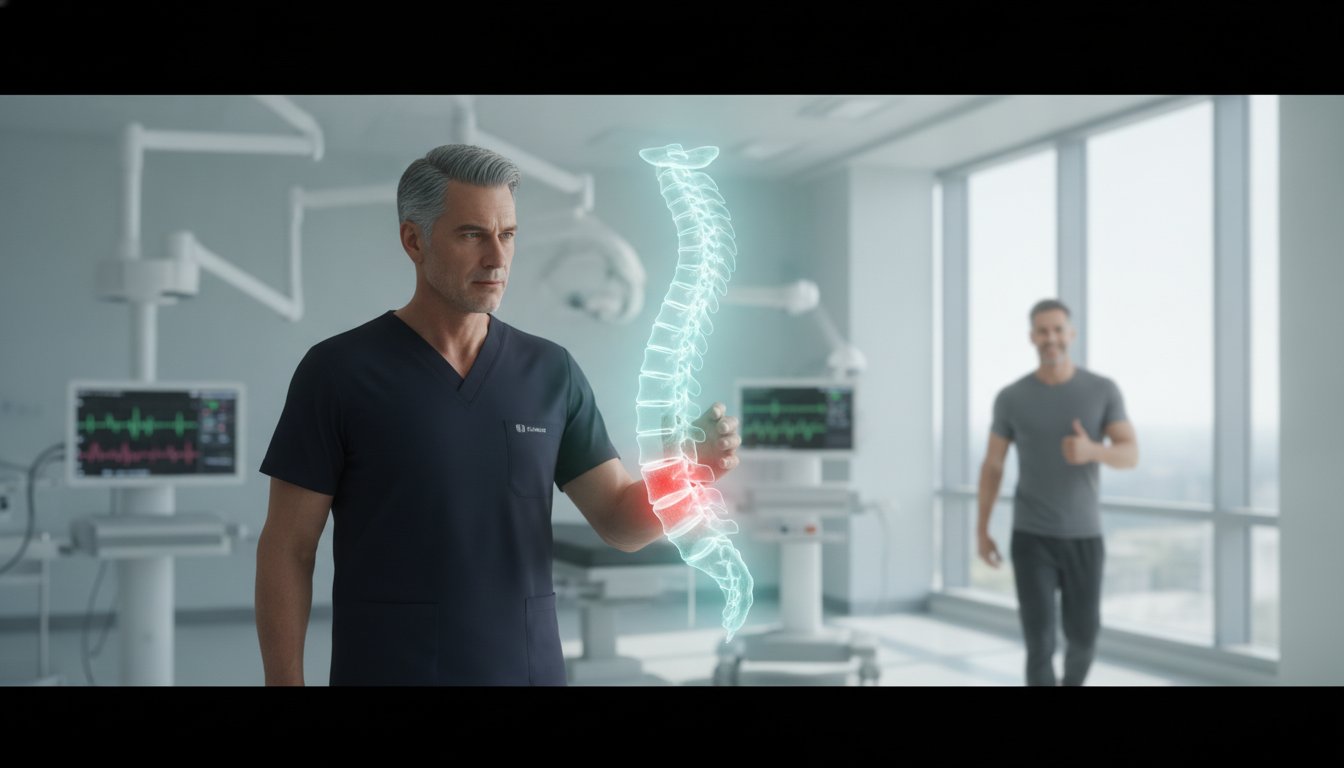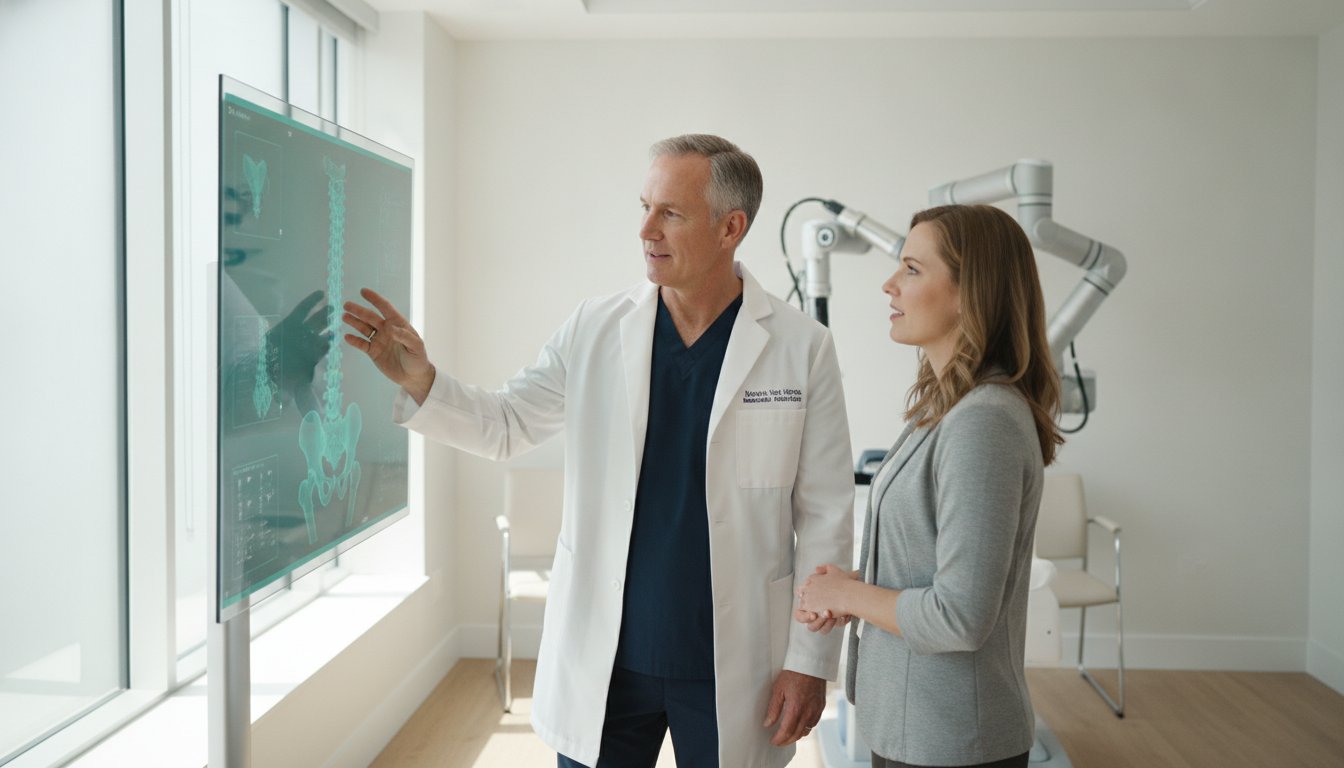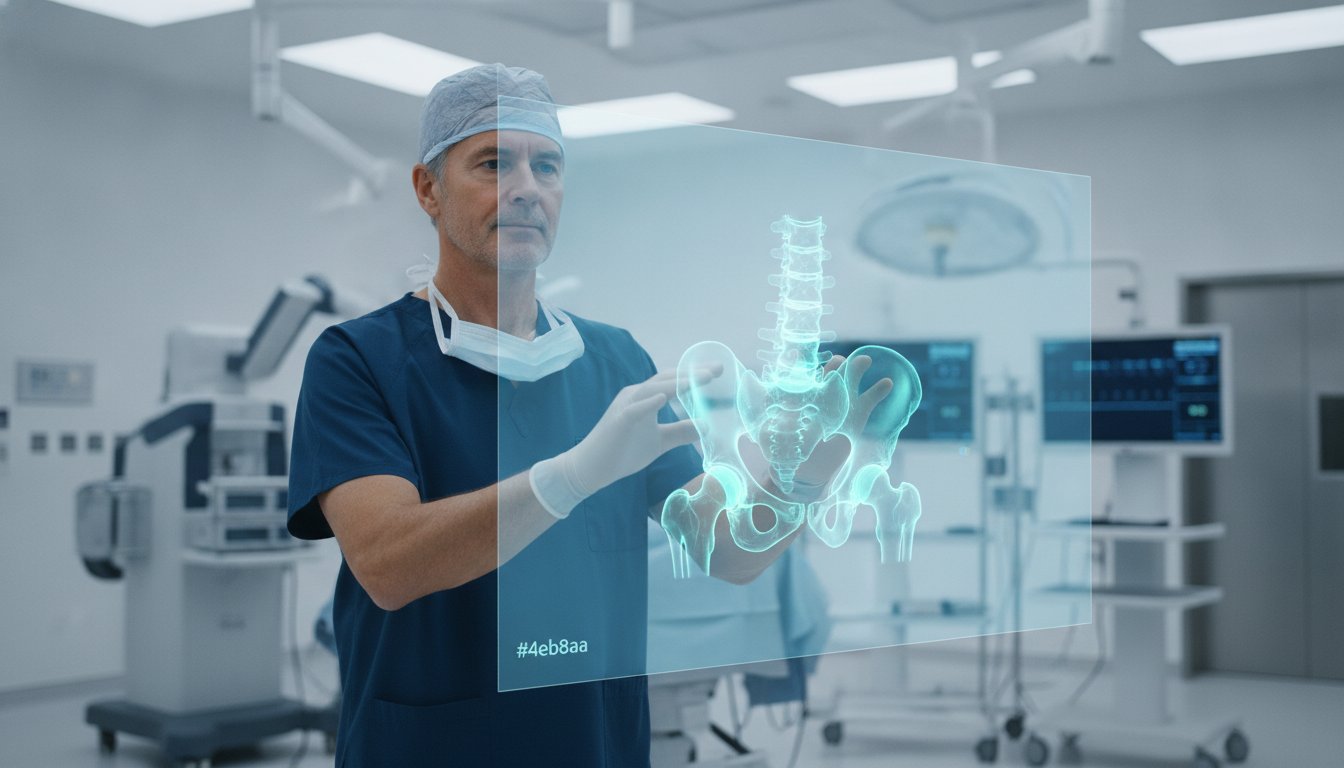
Minimally Invasive Neurosurgery of Texas (MINT), led by board-certified neurosurgeon Dr. Scott Kutz, provides specialized sacroiliac joint treatment and spine surgery for patients in Lewisville, TX, and Plano, TX.
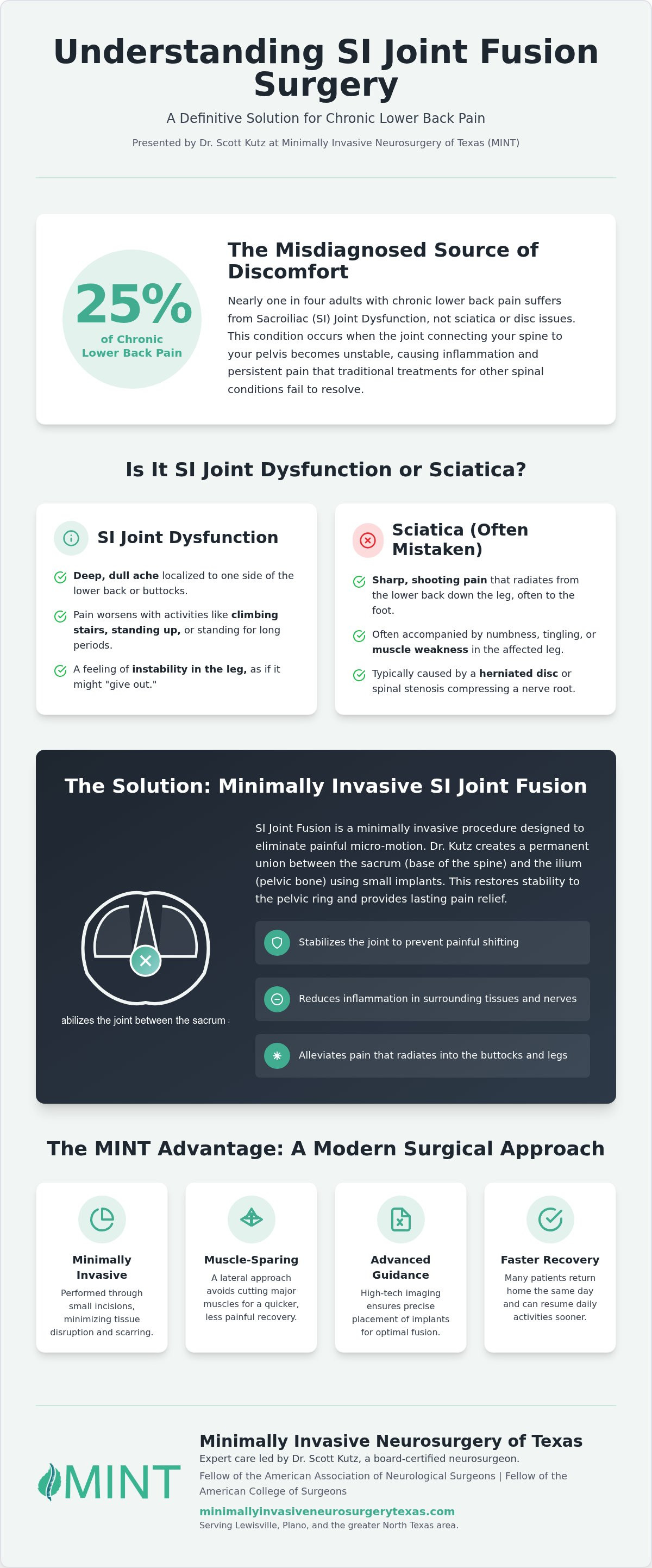
Did you know that nearly 25% of adults experiencing chronic lower back pain are actually suffering from sacroiliac joint dysfunction? Many patients spend years undergoing treatments for lumbar disc issues or sciatica without finding relief because the true source of their pain remains hidden. You likely feel frustrated by the inability to sit for a meal or stand for more than a few minutes without a sharp, radiating ache in your hip and lower back.
Dr. Scott Kutz, a Fellow of the American Association of Neurological Surgeons and Fellow of the American College of Surgeons, understands this struggle and offers a definitive solution through minimally invasive si joint fusion surgery. This guide explains how precision diagnostics and modern surgical innovations at our Lewisville and Plano clinics can finally resolve your discomfort. You’ll learn how Dr. Kutz uses tissue-sparing techniques to ensure a faster recovery, allowing you to return to your daily activities and reclaim your quality of life.
Key Takeaways
- Learn why chronic lower back pain is often misdiagnosed as sciatica and how Dr. Scott Kutz accurately identifies sacroiliac dysfunction.
- Discover the clinical benefits of si joint fusion surgery using a muscle-sparing lateral approach to stabilize the pelvis and sacrum.
- Explore the 2026 recovery timeline that allows many patients in Lewisville and Plano to return home the same day as their procedure.
- Understand how the specialized, boutique environment at MINT provides personalized care that large hospital systems often lack.
- Find out how restoring joint stability allows you to return to normal activity and resolve long term sitting or standing discomfort.
What is SI Joint Fusion Surgery?
Dr. Scott Kutz, a board-certified neurosurgeon and Fellow of the American Association of Neurological Surgeons, specializes in resolving complex pelvic pain at Minimally Invasive Neurosurgery of Texas (MINT). With the 2026 relocation of the MINT headquarters to Lewisville and a satellite office in Plano, North Texas patients have local access to advanced si joint fusion surgery. This procedure stabilizes the sacroiliac joint by joining the sacrum bone, the triangular bone at the base of your spine, to the ilium bone of the pelvis. By creating a permanent union between these two structures, Dr. Kutz eliminates the painful micro-motion that frequently causes chronic lower back distress. You can learn more about our surgical expertise on our about us page.
Anatomy of the Sacroiliac Joint
The sacroiliac joint acts as a primary shock absorber between the upper body and the pelvis. While strong ligaments normally support this joint, injuries or degenerative wear can cause significant instability. This instability leads to Sacroiliac Joint Dysfunction, a condition that accounts for approximately 25 percent of all chronic lower back pain cases. When these ligaments stretch or tear, the resulting joint laxity creates a cycle of inflammation and nerve irritation. Dr. Kutz emphasizes that identifying this specific anatomical source is the first step toward lasting relief.
Primary Goals of the Procedure
The primary objective of si joint fusion surgery focuses on restoring structural integrity to the pelvic ring. By preventing abnormal shifting, the procedure reduces the inflammation of surrounding nerve roots that often mimics sciatica, which is pain that radiates along the path of the sciatic nerve. Dr. Kutz utilizes minimally invasive spine techniques to achieve these results through small incisions and advanced imaging. This precision-focused approach minimizes tissue disruption and targets several specific outcomes:
- Stabilizing the joint to prevent painful shifting.
- Reducing inflammation in the surrounding soft tissues and nerves.
- Alleviating pain that radiates into the buttocks and upper legs.
As a Fellow of the American College of Surgeons, Dr. Kutz applies over 20 years of expertise to ensure every fusion is precise. He uses high-tech guidance systems to place stabilizing implants that encourage bone growth across the joint. This method provides a sophisticated alternative to traditional, more invasive surgeries and supports the brand’s commitment to helping patients return to normal activity. Patients from Lewisville, Plano, and surrounding North Texas communities benefit from this specialized, boutique approach to spinal health.
Recognizing SI Joint Dysfunction vs. Sciatica
Many patients arrive at MINT after months of failed treatments for sciatica or lumbar disc herniation. This frustration occurs because sacroiliac dysfunction often mimics the symptoms of nerve compression in the lower spine. Dr. Scott Kutz, a board-certified neurosurgeon and Fellow of the American Association of Neurological Surgeons, emphasizes the importance of a comprehensive clinical exam to rule out lumbar issues. Proper diagnosis ensures that patients receive the correct surgical intervention for long-term relief rather than undergoing unnecessary procedures on the spine. If your previous treatments haven’t worked, you may actually require si joint fusion surgery to stabilize the pelvic region.
According to Yale Medicine’s guide to SI joint fusion, distinguishing between these conditions requires specialized expertise. Dr. Kutz uses his 20 years of experience to identify the subtle differences in how pain manifests. While sciatica typically involves sharp, shooting pain down the leg, SI joint issues often present as a deep, localized ache that changes based on your physical activity. Dr. Kutz provides this level of specialized care at our Lewisville headquarters and our Plano satellite office.
Common Symptoms of SI Joint Issues
Understanding your symptoms helps Dr. Kutz narrow down the source of your distress. Patients with sacroiliac dysfunction frequently experience pain that worsens when climbing stairs or standing from a seated position. You might feel a dull ache localized to one side of the lower back or tailbone. Some patients also describe a troubling feeling of instability, as if the leg is giving out during a normal stride. These mechanical symptoms often point toward joint laxity rather than a pinched nerve in the lumbar spine.
The Diagnostic Process in Lewisville and Plano
In our North Texas facilities, we prioritize diagnostic precision. To distinguish SI joint pain from sciatica, Dr. Kutz performs provocative physical tests to stress the joint and diagnostic injections to confirm if the sacroiliac joint is the primary pain generator. During these tests, he applies pressure to the pelvis in specific ways to reproduce your pain. If the pain temporarily disappears after a numbing injection into the joint, he confirms the diagnosis. We also use advanced imaging to ensure precision in surgical planning. This boutique approach at our Lewisville and Plano offices allows for personalized attention that larger systems often overlook. If you want to find the true cause of your chronic pain, contact our team to begin your diagnostic journey.
The Minimally Invasive Surgical Process at MINT
Dr. Scott Kutz, a board-certified neurosurgeon, Fellow of the American Association of Neurological Surgeons, and Fellow of the American College of Surgeons, performs si joint fusion surgery at MINT with a focus on tissue preservation. Traditional fusion methods often require large incisions and significant muscle detachment, which can lead to extended recovery times. At our Lewisville and Plano facilities, Dr. Kutz utilizes a lateral approach that spares the major muscles of the back. This specialized technique allows the surgeon to access the sacroiliac joint through a small incision on the side of the buttock, typically measuring only a few centimeters. Most procedures take less than an hour to complete, and we perform them in an outpatient or specialized surgical setting, so you’re often back home the same day.
MINT prioritizes motion-preserving techniques whenever possible to maintain long-term spinal health. By choosing a minimally invasive path for si joint fusion surgery, patients benefit from smaller incisions and significantly less blood loss compared to traditional open fusion. Research published in 2026 highlights that these modern methods contribute to a high success rate; a meta-analysis of 1,181 SI joint fusions demonstrated a reoperation rate for implant-related serious adverse events of only 3 percent. This level of precision ensures that our North Texas patients receive the most advanced care available. This efficient approach accelerates your journey to a return to normal activity.
Step-by-Step Procedure Overview
The surgical journey begins with the administration of general anesthesia to ensure your complete comfort. Once the patient is positioned, Dr. Kutz makes the lateral incision. He uses specialized instruments to prepare the joint surfaces for fusion. The surgeon then places triangular titanium implants across the joint. These implants provide immediate stability by pinning the ilium and sacrum together. Over the following weeks, your natural bone grows into the porous surface of the titanium, creating a permanent bond that eliminates painful micro-motion.
Advanced Technology Integration
Precision is the hallmark of a high-tech healer. Dr. Kutz uses fluoroscopic guidance, which provides real-time visualization of the implant placement through continuous X-ray imaging. For complex cases requiring extreme accuracy, he may utilize Globus Excelsius for robotic precision. This system allows for pre-planned trajectories that the robotic arm follows with sub-millimeter accuracy. Additionally, MINT incorporates Augmedics augmented reality (AR). This technology allows Dr. Kutz to see a patient’s internal anatomy as if he had “X-ray vision” through a specialized headset, further enhancing surgical accuracy. These innovations ensure that every patient in Lewisville and Plano receives a tailored, high-precision solution for their chronic pain.
Recovery Timeline and Post-Operative Expectations
Recovery from si joint fusion surgery at MINT reflects our commitment to tissue-sparing techniques. Because Dr. Scott Kutz, a board-certified neurosurgeon and Fellow of the American Association of Neurological Surgeons, uses a lateral approach, most patients return home the same day. This outpatient model is a hallmark of our 2026 patient care standards in Lewisville and Plano. Active recovery starts immediately with light walking to promote circulation and reduce the risk of deep vein thrombosis, which is a blood clot in a deep vein. Dr. Kutz provides a customized recovery plan based on your specific health profile to ensure optimal results. The minimally invasive nature of the surgery reduces the need for heavy opioid medications, allowing for a clearer and faster return to daily life. You can explore our minimally invasive spine techniques for more details on our surgical philosophy.
The First Six Weeks
During the initial six weeks, you must focus on protecting the surgical site while the bone begins to knit with the titanium implants. Patients use walking aids like crutches or a walker for the first few weeks to limit joint stress. This partial weight-bearing period allows the joint to stabilize without the full pressure of your body weight. Incision care is vital to prevent infection during the initial healing phase, and our team provides detailed instructions for home care. Dr. Kutz, also a Fellow of the American College of Surgeons, monitors the fusion progress through follow-up visits in Lewisville or Plano. These appointments often involve imaging to confirm that the bone is growing as expected.
Long-Term Healing and Activity
Complete bone fusion typically occurs between three to six months post-surgery. During this time, the sacrum and ilium bones permanently join together through the porous surface of the implants. Physical therapy plays a crucial role in this stage. It helps strengthen the core and pelvic muscles to support the new fusion and improve your overall posture. Most patients return to full physical activity, including sports and high-impact exercise, within six months. This predictable timeline offers a clear path toward a return to normal activity for North Texas residents. If you’re ready to discuss your path to a pain-free life, contact our team at MINT today to schedule your consultation.
Expert Sacroiliac Care with Dr. Scott Kutz
Dr. Scott Kutz provides a level of specialized attention that larger, impersonal hospital systems often overlook. As a board-certified neurosurgeon with over 20 years of experience in complex spinal disorders, he understands that chronic pain is a deeply personal struggle. Our new 2026 headquarters in Lewisville, along with our satellite office in Plano, offers state-of-the-art facilities designed specifically for precision and patient comfort. We focus heavily on patient education to ensure you understand every step of your surgical journey. When you consider si joint fusion surgery, the choice of your surgical specialist significantly impacts your long-term outcome and recovery quality.
The personality of MINT reflects that of a high-tech healer. Dr. Kutz serves as both a master of cutting-edge surgical technology and a dedicated local physician. By highlighting his specific background and our regional service areas, we maintain a boutique surgical environment that prioritizes your personal attention. We believe that every patient deserves a clear path to relief, and we provide the professional excellence necessary to justify your trust.
Why Choose a Board-Certified Neurosurgeon?
Neurosurgeons possess specialized training in the delicate nerve structures that surround the SI joint. This expertise is critical because the sacroiliac region sits at the intersection of major neural pathways. Dr. Scott Kutz is a Fellow of the American Association of Neurological Surgeons and a Fellow of the American College of Surgeons. These credentials indicate that he has met the most rigorous standards of surgical excellence in the field. His extensive background in minimally invasive spine techniques ensures that you receive a procedure designed to minimize tissue damage. This approach results in less post-operative pain and a more efficient path to recovery. By choosing a neurosurgeon, you ensure that your physician has the highest level of anatomical expertise required to protect your nervous system during the fusion process.
Patient-First Communication at MINT
We prioritize evidence-based care and maintain honest, transparent discussions about surgical expectations. At MINT, we treat every patient as an individual with unique goals and health needs. Our team assists you with every detail of the process. This includes navigating complex insurance requirements and completing your pre-operative preparation. We want you to feel informed and confident before you ever enter the operating room. You can read our patient testimonials to see how we’ve helped other North Texas residents regain their mobility. Whether you live in Lewisville, Plano, or surrounding areas like Allen and Southlake, we remain committed to your health. Our boutique surgical center provides the personal attention and advanced technology necessary for a successful return to normal activity. Dr. Kutz and the MINT team act as your partners in health, moving you from a state of chronic suffering to one of informed confidence and physical relief.
Reclaim Your Active Lifestyle in North Texas
Chronic pain doesn’t have to define your daily life or limit your mobility. Through accurate diagnosis and advanced si joint fusion surgery, you can eliminate the micro-motion instability that makes sitting and standing a constant challenge. Dr. Scott Kutz uses his 20 years of surgical experience to provide a boutique, patient-centered approach that larger hospital systems often lack. As a board-certified neurosurgeon and Fellow of the American Association of Neurological Surgeons, he provides the specialized expertise necessary to protect delicate nerve structures while restoring joint stability.
Our 2026 Lewisville headquarters and Plano satellite office are fully equipped with the latest robotic and augmented reality technologies to ensure your procedure is precise and effective. You’ve spent enough time dealing with the frustration of misdiagnosed pain and limited activity. Schedule a consultation with Dr. Scott Kutz in Lewisville or Plano today to take the first step toward a return to normal activity. We are here to help you reclaim the active, pain-free lifestyle you deserve.
Frequently Asked Questions
Is si joint fusion surgery considered a major procedure?
Dr. Scott Kutz performs this procedure as a minimally invasive outpatient surgery rather than a traditional open operation. It typically takes less than one hour to complete in our Lewisville or Plano facilities. While it involves the permanent stabilization of bone, the small incisions and muscle-sparing techniques reduce the overall impact on your body. Most patients return home the same day to begin their recovery.
How long does the pain relief last after SI joint fusion?
The results of this procedure are intended to be permanent. Once the sacrum and ilium bones fuse together through the titanium implants, the painful micro-motion within the joint ceases. This structural change provides long term stability and relief from chronic inflammation. Most patients experience a significant and lasting reduction in their symptoms as the fusion matures over the first few months after surgery.
Can si joint fusion surgery fail, and what are the symptoms?
Surgical failure, also known as non-union, occurs in a small percentage of cases when the bones don’t grow together as expected. A meta-analysis of 1,181 SI joint fusions showed a reoperation rate for implant-related serious adverse events of only 3 percent. Symptoms of a failed fusion include a return of the original localized pain or a sensation of clicking in the pelvis. Dr. Kutz uses advanced imaging to monitor your healing and ensure the hardware remains secure.
Will I lose mobility in my hips or back after the joint is fused?
You won’t lose noticeable mobility because the sacroiliac joint naturally has very little movement. Unlike the hip or the spine, which are designed for a wide range of motion, the SI joint primarily functions as a shock absorber. Fusing this joint stabilizes the pelvic ring without affecting your ability to bend, twist, or walk. Most patients find their overall mobility improves because they no longer experience sharp pain during movement.
Does insurance typically cover sacroiliac joint fusion?
Most major insurance providers and Medicare cover this procedure when conservative treatments like physical therapy or injections fail to provide relief. Medicare has established coverage criteria for minimally invasive SI joint fusion, though coverage can vary among private payers. Our team at MINT assists patients in Lewisville and Plano with insurance verification. We recommend that you check with your specific provider to confirm their current 2026 authorization requirements.
What are the risks associated with minimally invasive SI fusion?
Potential risks include infection, hardware migration, or temporary nerve irritation near the surgical site. Dr. Scott Kutz minimizes these risks by using high-tech fluoroscopic guidance and robotic precision systems. These tools allow for sub-millimeter accuracy during implant placement. Following all post-operative instructions regarding weight-bearing and incision care further reduces the likelihood of complications during the initial six-week healing phase.
How soon can I return to work after the procedure?
Your return to work depends on the physical demands of your job and your individual healing progress. Patients with sedentary desk jobs often return to work within one to two weeks. If your occupation requires heavy lifting or prolonged standing, you may need six weeks or longer to ensure the joint stabilizes properly. Dr. Kutz provides specific milestones for every patient to ensure they don’t compromise the fusion process during early recovery.
Why should I see a neurosurgeon instead of an orthopedic surgeon for SI pain?
Neurosurgeons possess specialized expertise in the complex nerve structures that surround the sacroiliac joint. Dr. Scott Kutz, a board-certified neurosurgeon, understands how to navigate these neural pathways to prevent nerve damage during surgery. His training as a Fellow of the American Association of Neurological Surgeons ensures a high level of technical precision. This focus on neurological preservation is vital when treating conditions that mimic sciatica or other nerve-related spinal disorders.