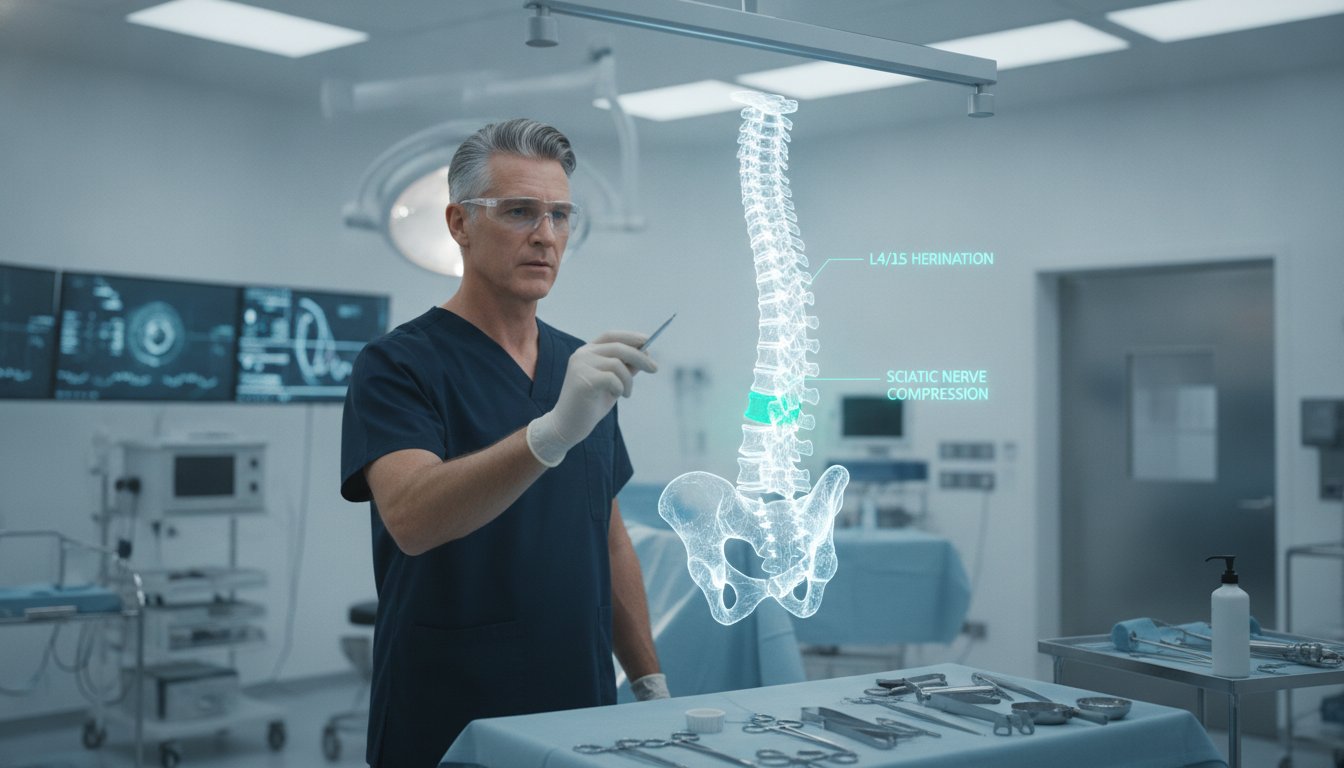
Minimally Invasive Neurosurgery of Texas (MINT), led by Dr. Scott Kutz, MD, provides precision-driven spinal care at its headquarters in Lewisville and its clinic in Plano, Texas. Dr. Kutz is a board-certified neurosurgeon, a Fellow of the American Association of Neurological Surgeons, and a Fellow of the American College of Surgeons. He specializes in minimally invasive spine techniques that prioritize tissue preservation and rapid patient recovery.
What if the path to ending your chronic back pain didn’t involve a large surgical scar or months of grueling rehabilitation? Most patients living with spinal conditions feel trapped between daily agony and the anxiety of traditional surgery. You might worry that a procedure will cause permanent muscle damage or limit your future flexibility. Dr. Scott Kutz provides a different path by utilizing advanced technology to achieve superior clinical outcomes. This guide explains how modern surgical innovations can reduce your recovery time and preserve your natural mobility. We’ll preview the latest motion-preserving treatments and precision-guided systems that help you return to your normal activities with confidence and lasting relief.
Key Takeaways
- Learn how Dr. Scott Kutz utilizes robotic-assisted navigation and augmented reality to enhance surgical precision and patient safety.
- Understand how advanced minimally invasive spine techniques protect muscle tissue and minimize scarring for a faster return to daily life.
- Discover the advantages of motion-preserving options like artificial disc replacement that offer relief without sacrificing spinal flexibility.
- Review the typical recovery path where most patients experience less post-operative pain and frequently return home the same day.
- Explore the importance of seeking specialized care from a board-certified neurosurgeon at MINT’s modern facilities in Lewisville and Plano.
Understanding Minimally Invasive Spine Techniques and Their Clinical Advantages
Minimally Invasive Neurosurgery of Texas (MINT), led by Dr. Scott Kutz in Lewisville and Plano, provides advanced minimally invasive spine techniques to treat complex spinal disorders. Dr. Scott Kutz is a board-certified neurosurgeon, a Fellow of the American Association of Neurological Surgeons, and a Fellow of the American College of Surgeons. He uses these precision methods to help patients find relief from chronic pain without the trauma of traditional open surgery.
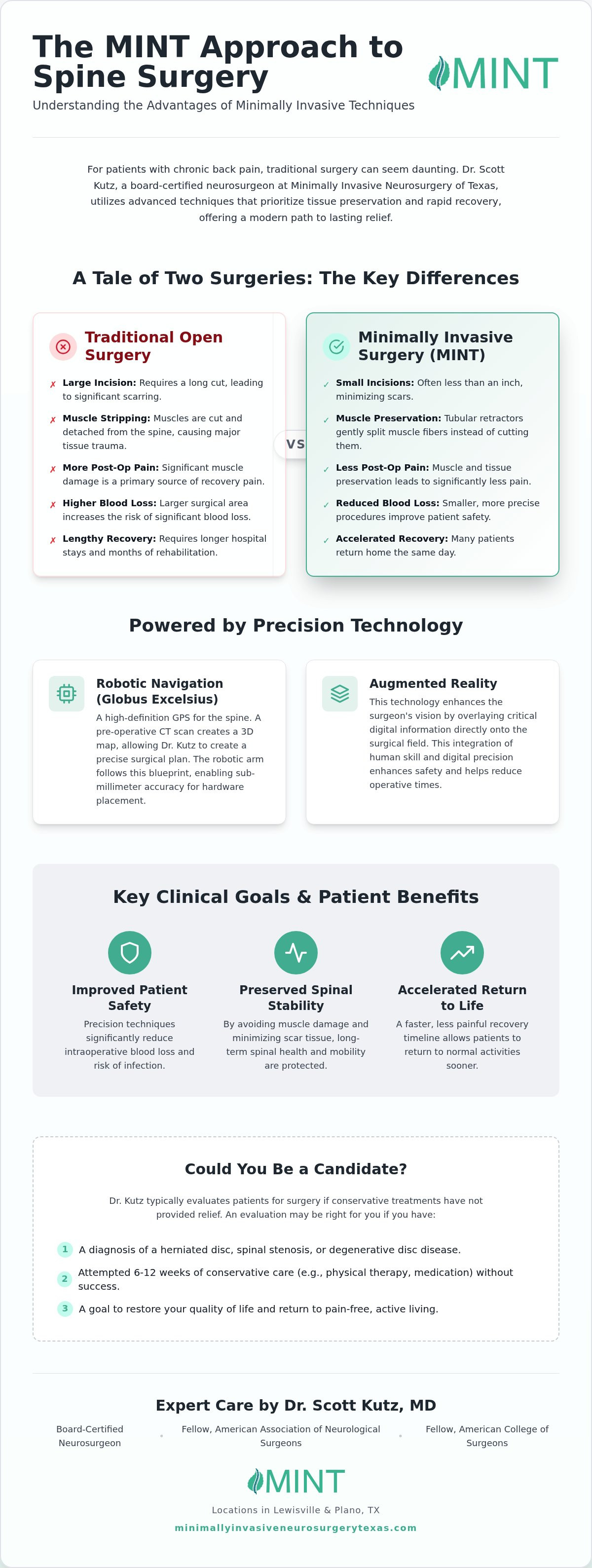
Traditional back surgery often requires a long incision and the detachment of muscles from the spinal column. This process, known as muscle-stripping, causes significant tissue damage and is the primary source of pain during recovery. Modern Minimally invasive spine surgery changes this dynamic entirely. Instead of cutting through healthy tissue, Dr. Kutz utilizes specialized instruments like tubular retractors to create a narrow, gentle pathway to the spine. These tubes act as a corridor, allowing the surgeon to split muscle fibers rather than severing them.
The clinical goals of these advanced minimally invasive spine techniques focus on three key outcomes:
- Reducing intraoperative blood loss to improve patient safety.
- Minimizing the formation of internal scar tissue that can complicate future health.
- Accelerating the timeline for a patient’s return to normal activity.
By prioritizing the integrity of the surrounding anatomy, Dr. Kutz ensures that the procedure addresses the underlying pathology while leaving the rest of the back undisturbed.
The Biological Benefits of Tissue Preservation
Avoiding muscle detachment leads to a measurable decrease in post-operative pain. When muscles remain attached to the bone, they retain their blood supply and function, which speeds up the healing process. Smaller incisions also significantly reduce the risk of surgical site infections. Perhaps most importantly, preserving the natural ligaments and muscles supports long-term spinal stability. This prevents the “adjacent segment disease” often seen after more aggressive traditional fusions.
Who is a Candidate for Minimally Invasive Procedures?
Dr. Scott Kutz treats a wide variety of conditions using these methods, including herniated discs, spinal stenosis, and degenerative disc disease. Most patients become candidates for surgery after conservative treatments fail. If you’ve spent six to twelve weeks trying physical therapy, medication, or steroid injections without success, a surgical evaluation is the next logical step. Dr. Kutz provides comprehensive assessments at his clinics in Lewisville and Plano to determine if a muscle-sparing approach can restore your quality of life. He believes that surgery should only occur when it offers a clear path back to a pain-free, active lifestyle.
Advanced Technologies in Modern Spinal Surgery: Robotics and Augmented Reality
Dr. Scott Kutz combines his surgical expertise with cutting-edge digital platforms to refine minimally invasive spine techniques. This integration of human skill and robotic precision allows for sub-millimeter accuracy during complex procedures. By utilizing these advanced tools, MINT helps patients meet high patient recovery expectations through reduced tissue trauma and shorter operative times. Precision-based planning ensures that every movement is calculated before the first incision is ever made.
Robotic Navigation with Globus Excelsius
The Globus Excelsius system functions as a high-definition GPS for the human spine. The process begins with a detailed pre-operative CT scan that creates a three-dimensional map of the patient’s unique anatomy. Dr. Kutz uses this map to program an individualized surgical plan before the patient even enters the operating room. During the procedure, the robotic arm follows this digital blueprint to ensure 100 percent accuracy in hardware placement. This level of precision eliminates much of the trial and error found in traditional surgery. Because the robotic guidance is so efficient, patients spend less time under anesthesia; this directly contributes to a safer surgical experience for residents in Lewisville and Plano.
Augmented Reality and the Future of Neurosurgery
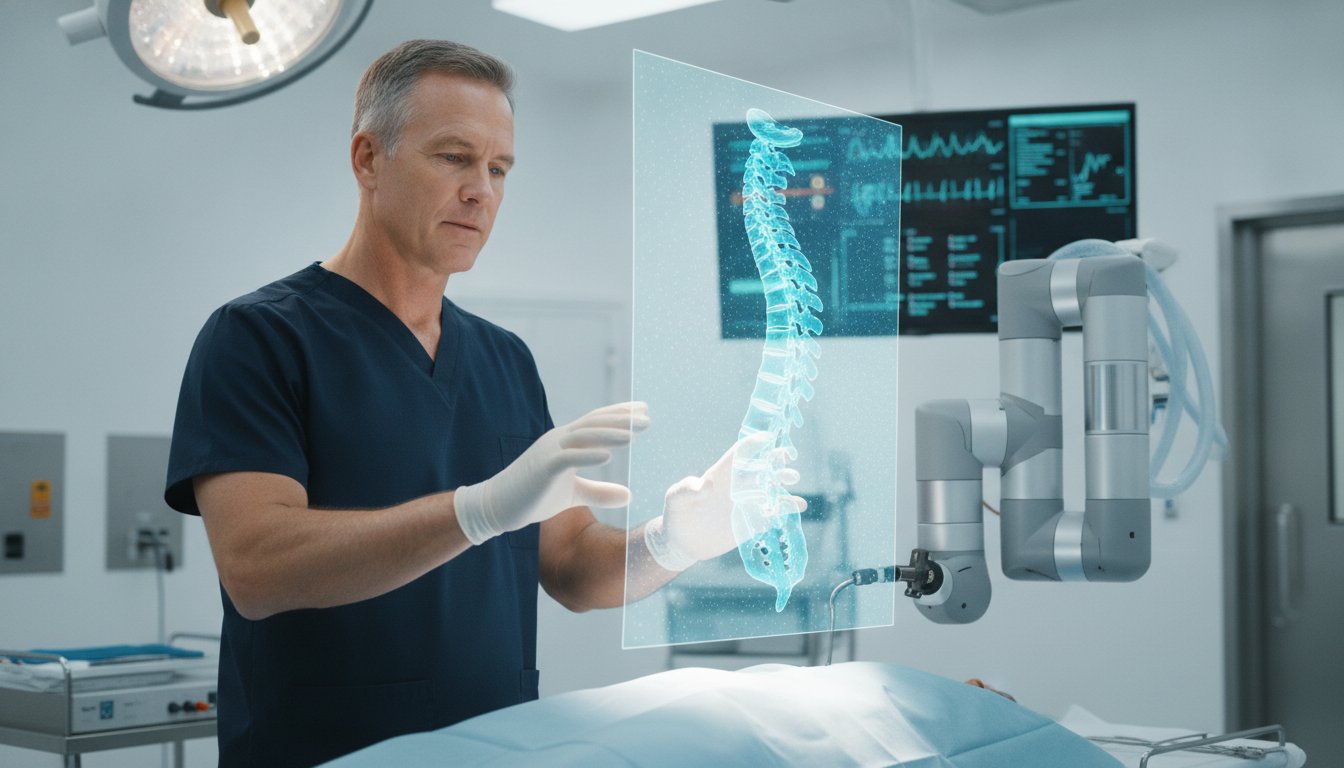
Innovation at MINT continues with the implementation of Augmedics, an augmented reality (AR) headset designed specifically for spinal neurosurgery. AR technology overlays a digital image of the patient’s internal spinal structure directly onto the surgeon’s field of vision. This allows Dr. Kutz to visualize the spinal anatomy through the skin as if he had x-ray vision. He can see the exact trajectory of his instruments relative to the patient’s vertebrae in real-time. This visualization is critical for maintaining safety when working near sensitive nerve structures and delicate vascular pathways.
High-tech navigation systems represent a significant leap forward for patients across North Texas. These tools allow for smaller access points and less muscle disruption, which leads to significantly less post-operative pain. When surgeons can see more clearly and move more precisely, patients recover more quickly. If you’re ready to explore how these technologies can help you find relief, you may request a specialized evaluation at our Lewisville headquarters or our Plano clinic.
Common Minimally Invasive Procedures: From Discectomy to Artificial Disc Replacement
While advanced navigation systems provide the roadmap for surgery, the specific procedure chosen determines the long-term functional outcome for the patient. Dr. Scott Kutz, a board-certified neurosurgeon and Fellow of the American Association of Neurological Surgeons, utilizes diverse minimally invasive spine techniques to address specific anatomical issues. These procedures generally fall into two categories: decompression of pinched nerves and the stabilization of the spinal column. Patients in Lewisville and Plano now have access to methods that resolve chronic pain while protecting the structural integrity of their backs.
Decompression techniques like microdiscectomy and laminectomy focus on relieving pressure on spinal nerves. A microdiscectomy involves removing a small portion of a herniated disc that pinches a nerve root; this immediately reduces radiating leg pain or numbness. A laminectomy removes part of the vertebral bone, called the lamina, to create space in a narrowed spinal canal. Dr. Kutz also treats sacroiliac (SI) joint dysfunction, a frequently misdiagnosed source of lower back pain. He uses specialized fusion techniques to stabilize the SI joint through tiny, muscle-sparing incisions that allow for a much faster recovery than traditional open fusions.
Motion Preservation vs. Spinal Fusion
For decades, spinal fusion was the standard treatment for degenerative disc disease. While fusion remains a necessary choice for patients with significant spinal instability, it permanently joins two vertebrae together. This can lead to a loss of flexibility and increased stress on the surrounding joints. Dr. Scott Kutz, who is also a Fellow of the American College of Surgeons, prioritizes Artificial Disc Replacement (ADR) for eligible candidates. ADR replaces a damaged disc with a prosthetic device that mimics natural movement. This motion-preserving approach maintains the natural mechanics of the neck or back. It helps prevent the breakdown of adjacent spinal segments, which is a common complication of traditional fusion surgery.
Endoscopic Spine Surgery: The Ultra-Minimally Invasive Option
The evolution of back care has led to Endoscopic Spine Surgery, which represents the next frontier in ultra-minimally invasive care. During this procedure, Dr. Kutz inserts a tiny camera, known as an endoscope, through an incision smaller than a thumbnail. The high-definition visualization allows him to navigate the spinal architecture with extreme precision. This method is particularly effective for treating herniated discs in the lumbar spine. Because the endoscope requires such a small entry point, patients often experience minimal blood loss and a significantly reduced risk of infection. This technique exemplifies the patient-centered philosophy at MINT, where the goal is always to achieve maximum clinical relief with the least amount of physical disruption.
Recovery Timelines and Post-Operative Expectations for Spinal Patients
Patients undergoing minimally invasive spine surgery typically return home the same day and can resume light activities within one to two weeks. This rapid turnaround is possible because minimally invasive spine techniques do not require the extensive muscle dissection associated with traditional surgery. Dr. Scott Kutz, a board-certified neurosurgeon and Fellow of the American Association of Neurological Surgeons, emphasizes that while the surgical technology is advanced, the body still requires a structured period of healing to ensure long-term success.
The transition from the operating room to your home in Lewisville or Plano is designed to be efficient and comfortable. Modern pain management protocols at MINT often utilize a multi-modal approach; this combines localized numbing agents with non-narcotic medications to keep you mobile. Most patients find they can return to desk-based work within two to three weeks. If your job requires physical labor, Dr. Kutz may recommend waiting four to six weeks to ensure the surgical site has fully stabilized. Regular follow-up appointments at our Lewisville headquarters or Plano clinic allow our clinical team to monitor your progress and adjust your activity levels as you heal.
The First 48 Hours After Surgery
Wound care is straightforward because the incisions are typically smaller than two centimeters. You should keep the surgical area clean and dry, following the specific instructions provided by the MINT nursing staff. Early mobilization is the most critical component of the first 48 hours. Dr. Kutz encourages patients to begin walking short distances immediately after returning home. Walking promotes healthy blood flow and prevents complications like blood clots or pneumonia. If you experience unexpected redness at the incision site or a sudden spike in fever, you should contact the clinical team at MINT immediately for guidance.
Long-Term Outlook and Returning to Athletics
The long-term goal of surgery is a full return to normal activity. After the first month, patients typically begin a gradual reintroduction of stretching and core strengthening exercises. These movements protect the spine and improve the longevity of the surgical result. Many patients report a significant resolution of nerve-related symptoms, such as sciatica, within the first few weeks. Research indicates that for properly selected patients with conditions like spinal stenosis, procedures like laminectomy have a success rate of up to 90 percent in 2026. This high level of patient satisfaction reflects the precision of robotic and endoscopic methods. To begin your journey toward a pain-free life, you can schedule a consultation with Dr. Scott Kutz today.
Consulting with a Specialist: Minimally Invasive Neurosurgery of Texas in Lewisville and Plano
Choosing a surgical specialist is the most significant step toward ending chronic pain. A neurosurgeon’s training involves a deep understanding of the delicate relationship between the spinal cord, nerve roots, and the surrounding bone. Dr. Scott Kutz, a board-certified neurosurgeon, uses minimally invasive spine techniques to resolve complex conditions with minimal disruption to your body. His patient-centered philosophy ensures that you aren’t just a case number. Every treatment plan begins with a meticulous MRI review and a conversation about your specific symptoms. This thorough diagnostic process allows the MINT team to determine if you are a candidate for motion-preserving or muscle-sparing procedures.
About Dr. Scott Kutz and the MINT Team
Dr. Scott Kutz brings a wealth of specialized knowledge to every patient interaction. He is a Fellow of the American Association of Neurological Surgeons and a Fellow of the American College of Surgeons. These designations reflect his dedication to the highest clinical standards in the field. With over 20 years of surgical experience in the Dallas-Fort Worth Metroplex, he has a proven track record of helping patients achieve long-term relief. You can find more details about his background and our practice mission on our About Us page. The MINT team works together to provide a seamless experience from your first phone call to your final post-operative follow-up.
Convenient Care Across North Texas
Accessibility is a core component of our practice. Our main headquarters is located at 1850 Lakepointe Drive, Suite 500 in Lewisville, a facility designed for advanced diagnostics and patient comfort. We also maintain a satellite office in Plano to ensure patients throughout the region have access to specialized care. Our clinics serve surrounding areas such as Flower Mound, Southlake, and McKinney. By maintaining a boutique surgical center environment, we avoid the impersonal nature of large hospital systems. We encourage you to explore how we are defining Minimally Invasive Neurosurgery: The Modern Standard for Spine Care in 2026.
To begin your recovery, you can schedule a consultation at either our Lewisville or Plano location. Our staff will guide you through the process of submitting your imaging for review. Whether you’re seeking a first-time evaluation or a second opinion, we provide the clinical authority you need to make an informed decision about your spinal health.
Reclaim Your Mobility and Quality of Life
Modern spine care has evolved beyond the limitations of traditional, invasive surgery. By integrating robotic-assisted navigation and augmented reality, Dr. Scott Kutz provides a level of precision that protects your natural anatomy while resolving the source of your pain. These advanced minimally invasive spine techniques allow for smaller incisions and significantly faster recovery times. You don’t have to settle for a life restricted by chronic discomfort or the fear of a long rehabilitation process.
As a board-certified neurosurgeon with over 20 years of experience, Dr. Kutz specializes in motion-preserving treatments that maintain your flexibility. Our team at Minimally Invasive Neurosurgery of Texas offers expert diagnostic evaluations and personalized care plans at our convenient offices in Lewisville and Plano. We prioritize your health and your return to normal activity through every step of the surgical journey.
Schedule your consultation with Dr. Scott Kutz at MINT today to discover how precision-driven care can restore your independence. You deserve a future defined by movement and lasting relief.
Frequently Asked Questions
Is minimally invasive spine surgery as effective as traditional open surgery?
Minimally invasive surgery is equally effective as traditional open surgery for decompressing nerves and stabilizing the spine. Dr. Scott Kutz utilizes minimally invasive spine techniques to achieve the same clinical goals as open surgery but with significantly less trauma to healthy tissue. Patients benefit from the same long-term relief while experiencing less blood loss and a reduced risk of post-operative infection.
How long does a minimally invasive spine procedure take?
Most minimally invasive procedures take between one and three hours to complete. A simple microdiscectomy often takes less than an hour, while more complex robotic-assisted fusions may require more time for precise hardware placement. Dr. Kutz uses advanced navigation to streamline these procedures, which often reduces the total time a patient spends under general anesthesia.
Will I have a large scar after minimally invasive spine surgery?
You will not have a large scar because these procedures typically require incisions smaller than two centimeters. Many patients only have one or two tiny marks that resemble a small freckle or a paper cut once they fully heal. This is a major advantage over traditional open surgery, which often requires an incision of five to six inches. This commitment to aesthetic outcomes is also seen in podiatry, where Frankel Foot & Ankle Center offers scarless bunion surgery to help patients maintain the natural appearance of their feet while resolving pain.
In other regions, patients can explore Bunion Surgery with the team at Local Foot Doc, who provide similar specialized care to ensure that patients achieve both functional relief and aesthetic satisfaction.
What is the success rate of robotic-assisted spine surgery?
Robotic-assisted spine surgery provides nearly 100 percent accuracy in the placement of spinal hardware like screws and cages. This precision leads to high patient satisfaction and lower rates of revision surgery. For specific procedures like a laminectomy for spinal stenosis, success rates reach up to 90 percent in 2026 when patients are properly selected for the procedure.
Can all spinal conditions be treated with minimally invasive techniques?
Many common conditions are treatable with these methods, but some complex spinal deformities or severe traumatic injuries still require traditional open surgery. Dr. Scott Kutz performs a comprehensive evaluation at his Lewisville or Plano offices to determine the best path forward. He only recommends surgery when he’s confident that a muscle-sparing approach can achieve the necessary clinical results.
How soon can I drive after a minimally invasive spine procedure?
Most patients resume driving within one to two weeks after their procedure. You must be off all narcotic pain medications and have regained enough strength to perform an emergency braking maneuver safely. Dr. Kutz will provide a specific timeline for your return to the road during your first post-operative follow-up appointment.
Is artificial disc replacement better than spinal fusion?
Artificial disc replacement is often a superior alternative for patients who want to preserve their natural range of motion. This technique prevents the “stiffness” associated with fusion and reduces the stress on the discs above and below the surgical site. However, spinal fusion remains the standard of care for patients with significant spinal instability or advanced arthritis in the facet joints.
Does insurance cover minimally invasive spine techniques?
Most major insurance providers and Medicare cover minimally invasive procedures when conservative treatments have failed. Effective January 1, 2026, CMS removed over 75 spine procedures from the Inpatient-Only list, which makes it easier for patients to receive coverage in outpatient settings. The administrative team at MINT helps patients navigate their benefits and verify coverage before any procedure.