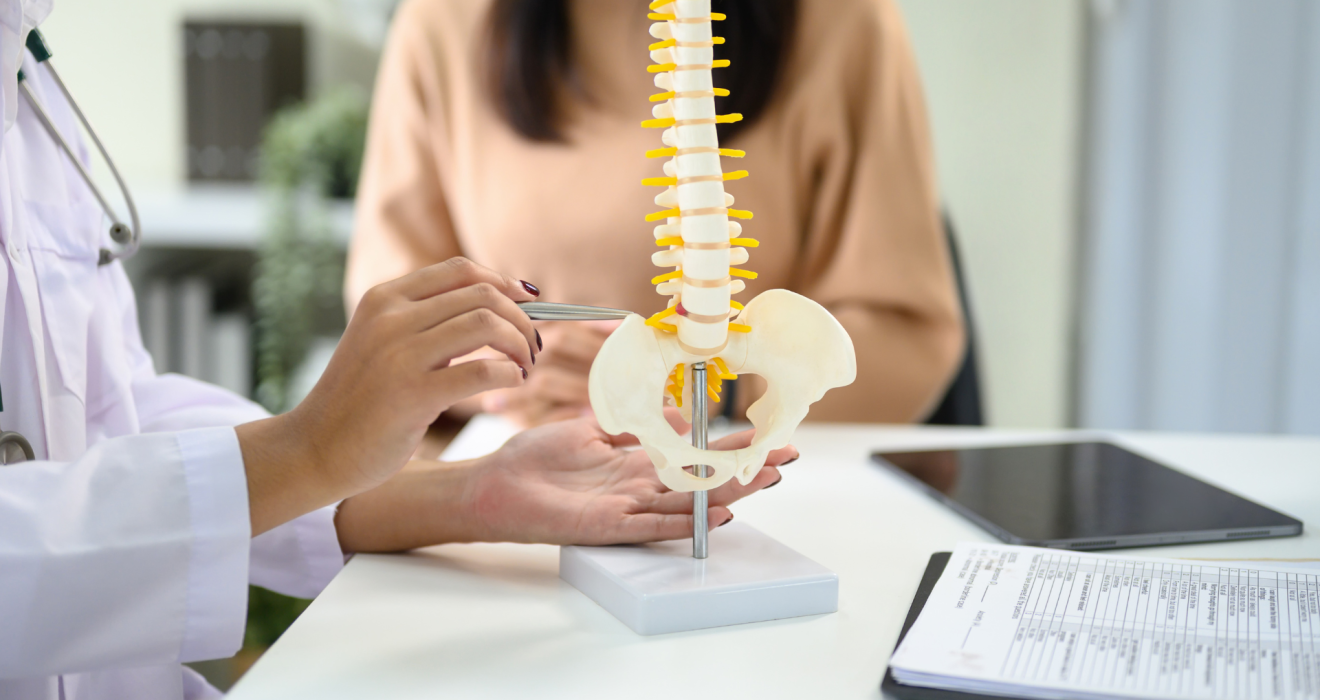
Image sourced from Canva
Many people dealing with back or neck pain start by typing neurosurgeon Frisco TX into a search bar, then wonder what actually happens at a spine consultation. At Minimally Invasive Neurosurgery of Texas, Dr. Scott Kutz, MD, a neurosurgeon board-certified by the American Board of Neurological Surgery (ABNS), sees patients from Frisco and across the Dallas-Fort Worth area at offices in Lewisville, TX, and Plano, TX.
This article explains what a neurosurgeon does for spine conditions, when a consultation may make sense, how to prepare for one, and which non-surgical and surgical options are commonly discussed. It is written to help you ask better questions, not to diagnose any condition. Every patient’s situation is different.
If you have questions about your symptoms, you can contact Minimally Invasive Neurosurgery of Texas to talk through whether an evaluation is a reasonable next step.
Key Takeaways
- Back pain is common. The CDC reports that 39.0% of U.S. adults had back pain in the past three months in 2019.
- A neurosurgeon evaluates conditions of the spine, spinal cord, and nerves, and surgery is only one of the options discussed.
- Many spine conditions are first managed with non-surgical care such as physical therapy, medication, and activity changes.
- Bringing imaging, records, and a symptom timeline can make a consultation more productive.
- Frisco-area patients are seen at the Plano, TX, and Lewisville, TX offices of Minimally Invasive Neurosurgery of Texas.
Table of Contents
- What Does a Neurosurgeon Do for Spine Conditions?
- When a Spine Consultation May Make Sense
- Finding a Neurosurgeon Frisco TX Patients Can Reach: Lewisville and Plano, TX Offices
- How to Prepare for Your Spine Consultation
- Non-Surgical Options, Risks and When Surgery Is Considered
- Minimally Invasive Neurosurgery of Texas: Spine Consultations for Frisco-Area Patients
- Take the Next Step With a Clearer Plan
- Frequently Asked Questions
What Does a Neurosurgeon Do for Spine Conditions?
A neurosurgeon is a physician trained to diagnose and treat conditions of the brain, spinal cord, and the nerves that branch out through the body. Many people associate the specialty with brain surgery, but a large share of neurosurgical practice involves the spine. According to the American Medical Association’s residency directory for neurological surgery, neurosurgical residency in the United States lasts seven years, and some surgeons add fellowship training after that.
Conditions a Spine-Focused Neurosurgeon Commonly Evaluates
Spine-focused neurosurgeons often see patients with:
- Herniated discs, where the soft inner material of a spinal disc pushes outward and may press on a nerve
- Spinal stenosis, a narrowing of the spinal canal that can crowd the spinal cord or nerve roots
- Degenerative disc disease, age-related wear in the discs between the vertebrae
- Sacroiliac (SI) joint problems, where the spine meets the pelvis
- Symptoms after a previous spine operation, which may call for a fresh review
You can read a broader overview of these topics in this guide on what Frisco-area patients should know about spine neurosurgery.
Evaluation Comes Before Any Treatment Decision
Whether you found a practice by searching spine specialist Frisco or were referred by your primary care doctor, the first visit centers on understanding what is causing your symptoms. That usually means a detailed history, a physical and neurological exam (checking strength, reflexes, and sensation), and a review of any imaging such as MRI or CT scans. Treatment recommendations come after that picture is clear, and they often begin with non-surgical care.
When a Spine Consultation May Make Sense
Back and neck pain are among the most common reasons adults see a doctor. The CDC’s National Center for Health Statistics found that 39.0% of U.S. adults had back pain in the past three months, based on 2019 National Health Interview Survey data. Most of that pain improves with time and conservative care, but some symptoms are worth a closer look by a specialist.
Symptoms That Persist or Spread
A consultation may be worth discussing with your primary care doctor if you notice:
- Pain that has lasted several weeks or longer despite rest, medication, or physical therapy
- Pain that travels from the lower back into the buttock or leg, or from the neck into the arm
- Numbness, tingling, or a “pins and needles” feeling in an arm or leg
- Weakness, such as trouble lifting the front of the foot or gripping objects
- Difficulty walking longer distances because of leg pain or heaviness
Some people begin with a back pain doctor Frisco TX search when their pain first appears, then move on to a spine surgeon when symptoms do not settle. That progression is common and reasonable.
Symptoms That Need Emergency Care
Some symptoms should not wait for a scheduled appointment. Seek emergency care if you experience:
- New loss of bladder or bowel control
- Numbness in the groin, buttocks, or inner thighs
- Rapidly worsening weakness in one or both legs
- Back pain with fever, or after a significant fall or accident
- Chest pain or trouble breathing
These signs can point to conditions that need prompt attention. For symptoms that are not emergencies but still concern you, see a qualified specialist for an evaluation.
Finding a Neurosurgeon Frisco TX Patients Can Reach: Lewisville and Plano, TX Offices
Minimally Invasive Neurosurgery of Texas does not have a Frisco office. Instead, Frisco-area patients are seen at one of two locations in the northern Dallas-Fort Worth area.
The Plano Office
The Plano office is located at 5465 Legacy Drive, Suite 650, Plano, TX. For many Frisco residents, the Legacy area of Plano is a familiar part of their regular routes.
The Lewisville Office
The main office is located at 1850 Lakepointe Drive, Suite 500, Lewisville, TX. Patients from Frisco, Flower Mound, Denton, Carrollton, and surrounding communities are seen here as well.
Contacting the Office
Both offices can be reached at (972) 244-3491. The staff can help you choose the location that fits your schedule.
How to Prepare for Your Spine Consultation
A little preparation can make your visit more productive and help you leave with clearer answers.
What to Bring
- Imaging reports and discs, including MRI, CT, or X-ray studies from the past few years
- Records from other providers, such as physical therapy notes or injection records
- A medication list, including over-the-counter pain relievers and supplements
- A symptom timeline that notes when pain started, what makes it better or worse, and how it affects daily activities
- Your insurance card and photo ID
Questions to Ask
Write your questions down ahead of time. Patients researching herniated disc treatment Frisco TX options, for example, often arrive with questions like these:
- What do my imaging results show, in plain language?
- Which non-surgical options make sense to try first, and for how long?
- If surgery is ever discussed, what would the goals and risks be?
- What would recovery generally involve, and how much does it vary?
- Are there warning signs I should watch for while we try conservative care?
Be Honest About Daily Impact
Explain how your symptoms affect work, sleep, driving, and activities you enjoy. That information helps a specialist weigh options against what matters most to you.
Non-Surgical Options, Risks and When Surgery Is Considered
A neurosurgeon’s role is to help you understand the full range of options, not only surgical ones.
Non-Surgical Care Often Comes First
Many spine conditions are managed first with:
- Physical therapy and a home exercise program
- Anti-inflammatory or other medications, as appropriate for your health
- Activity modification and gradual return to movement
- Epidural steroid injections or other interventional pain procedures
- Weight management and ergonomic changes at work or home
Many patients improve with these approaches. How long to try them depends on your symptoms and diagnosis.
When Surgery May Be Discussed
Surgery may be discussed when symptoms persist despite an adequate trial of conservative care, when nerve-related weakness is progressing, or when imaging and exam findings line up with a problem that surgery is designed to address. Even then, the decision is shared between the patient and the surgeon.
Understanding Surgical Risks
Every spine procedure carries risks. General risks include infection, bleeding, blood clots, reactions to anesthesia, nerve irritation or injury, and the possibility of needing further treatment later. Procedure-specific risks vary, and a surgeon should walk you through those that apply to your situation. Recovery time varies from patient to patient.
Minimally Invasive Neurosurgery of Texas: Spine Consultations for Frisco-Area Patients
Dr. Scott C. Kutz, MD, is a neurosurgeon and spine surgeon, board-certified by the American Board of Neurological Surgery (ABNS), with more than 25 years of experience and more than 6,000 patients treated. He is the founder and head neurosurgeon of Minimally Invasive Neurosurgery of Texas, a private practice in Lewisville, TX, and Plano, TX, dedicated exclusively to minimally invasive and motion-preserving surgical techniques for spinal conditions. He has been a Fellow of the American Association of Neurological Surgeons (AANS) since 2011 and the American College of Surgeons (ACS) since 2010.
Dr. Kutz specializes in endoscopic spine surgery, artificial disc replacement, sacroiliac joint fusion, and complex revision spine surgery. His approach prioritizes the least invasive appropriate option first, and you can learn more about the minimally invasive spine techniques the practice uses.
To review your options with Dr. Scott Kutz, MD, contact Minimally Invasive Neurosurgery of Texas.
Take the Next Step With a Clearer Plan
Searching for a neurosurgeon Frisco TX residents can reach is often the first step toward understanding what is behind persistent back or neck symptoms. A consultation is a conversation: it gathers your history, exam findings, and imaging so you can weigh non-surgical and surgical options with a specialist.
Frisco-area patients are seen at our Plano, TX, and Lewisville, TX, offices. For more background before your visit, read this overview of spine neurosurgery for Frisco-area patients.
If your symptoms are affecting your daily life, contact Minimally Invasive Neurosurgery of Texas to discuss your concerns and next steps.
Frequently Asked Questions
Do I need a referral to see a neurosurgeon in Frisco, TX?
It depends on your insurance plan. Some plans, especially HMO plans, require a referral from a primary care physician before a specialist visit, while others do not. Check with your insurer first, then call the office at (972) 244-3491 to confirm what is needed before scheduling a consultation.
What is the difference between a neurosurgeon and a spine specialist?
“Spine specialist” is a broad term that can include neurosurgeons, orthopedic spine surgeons, physiatrists, and pain management physicians. A neurosurgeon is a surgeon trained in conditions of the brain, spinal cord, and nerves. The right specialist depends on your symptoms, diagnosis, and the type of care you need.
Will a neurosurgeon recommend surgery at my first visit?
Not necessarily. The first visit focuses on understanding your symptoms through a history, exam, and imaging review. Many patients are advised to start or continue non-surgical care. Surgery is usually discussed only when symptoms persist, or findings suggest a problem surgery is designed to address, and results vary by patient.
What should I bring to a spine consultation?
Bring any MRI, CT, or X-ray reports and image discs, records from physical therapy or injections, a list of current medications, your insurance card and photo ID. A written timeline of your symptoms and a list of questions can also help you get the most from the appointment.
Where does Dr. Scott Kutz see patients from Frisco?
Dr. Scott Kutz, MD sees Frisco-area patients at two offices: 5465 Legacy Drive, Suite 650 in Plano, TX, and the main office at 1850 Lakepointe Drive, Suite 500 in Lewisville, TX. The practice does not have a Frisco office. Call (972) 244-3491 to choose a location.
What are the risks and complications of spine surgery?
Spine surgery risks include infection, bleeding, blood clots, anesthesia reactions, nerve irritation or injury, and the chance of needing further treatment. Specific risks depend on the procedure and your health. A specialist can explain which risks apply to you, and recovery time varies from patient to patient.
Medical Disclaimer: This article is for educational purposes only and is not medical advice. Individual results vary. Please consult a qualified physician about your specific condition. To discuss your options with Dr. Scott Kutz, MD, contact Minimally Invasive Neurosurgery of Texas.