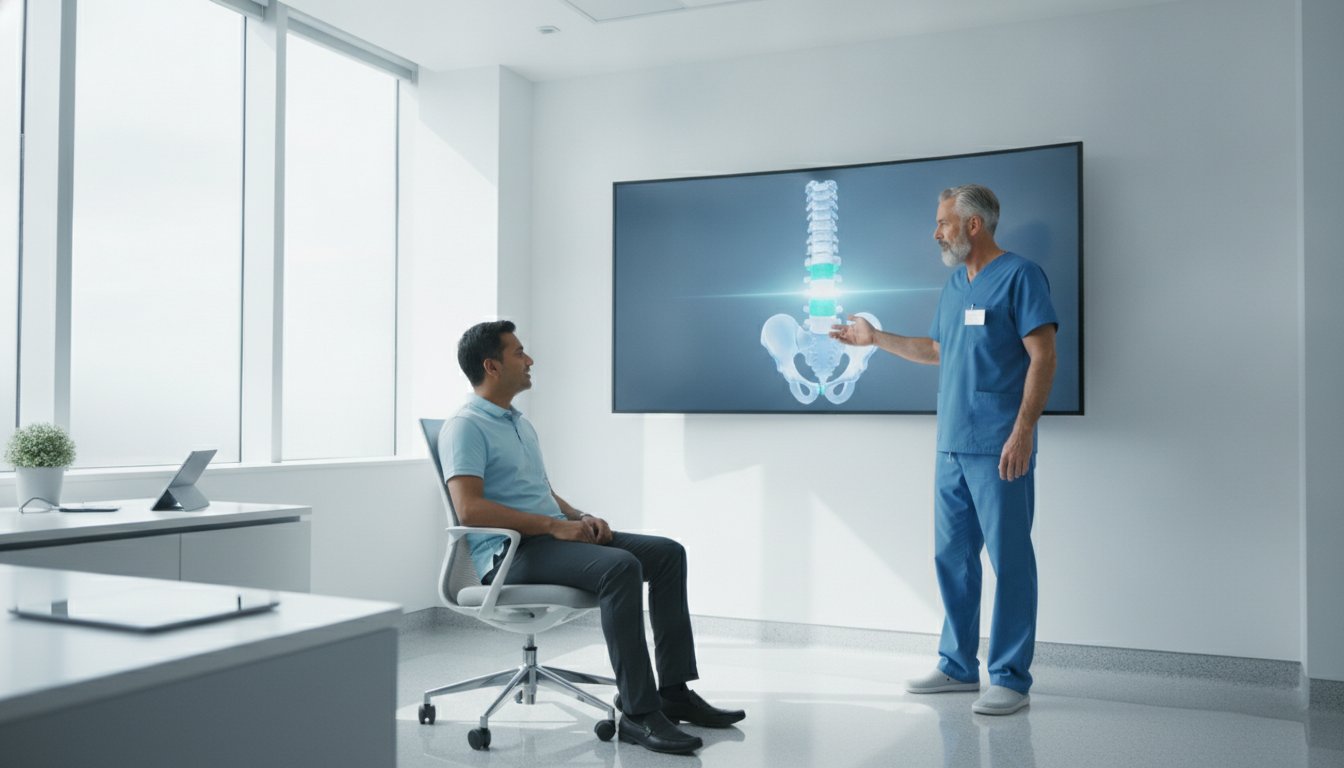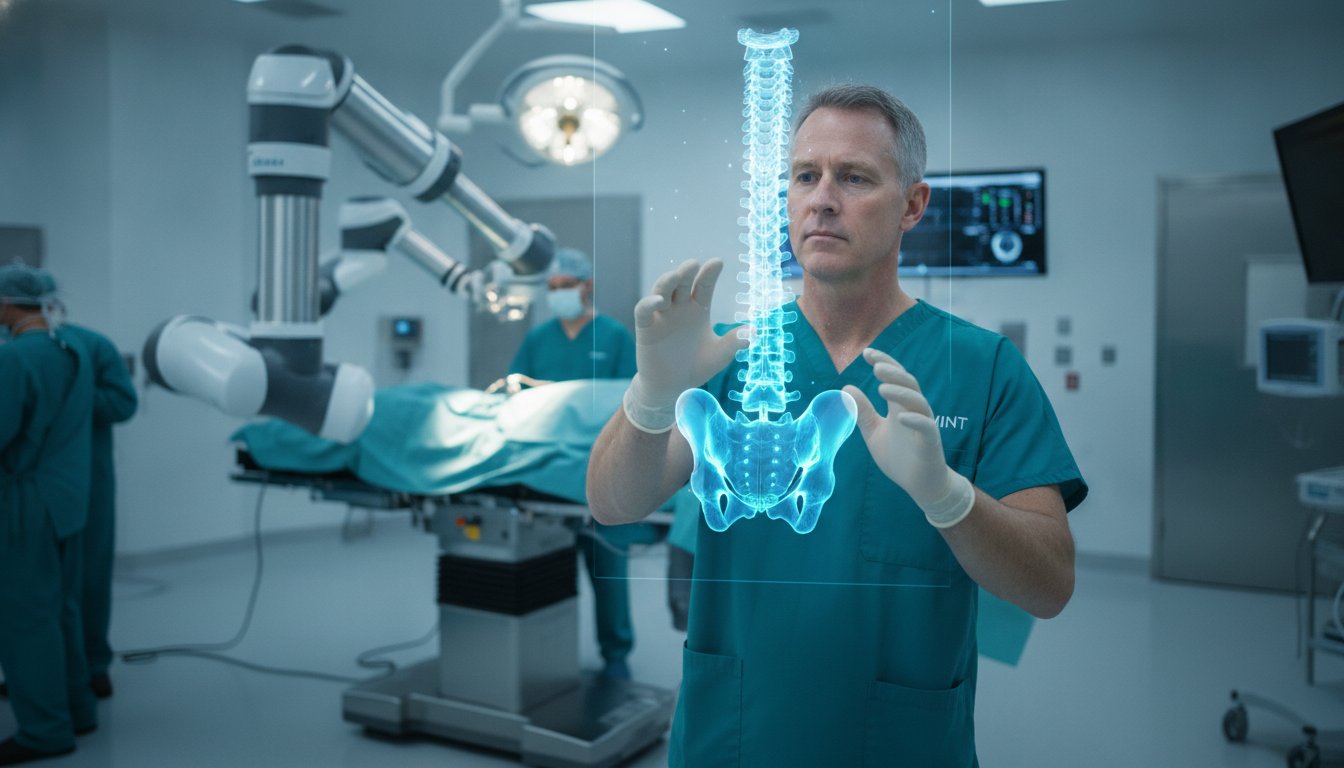
Minimally Invasive Neurosurgery of Texas (MINT) is a specialized spinal care practice led by Dr. Scott Kutz, a board-certified neurosurgeon, Fellow of the American Association of Neurological Surgeons, and Fellow of the American College of Surgeons. From our state-of-the-art headquarters in Lewisville and our clinic in Plano, we provide advanced lumbar spine surgery to patients seeking relief from chronic lower back pain and mobility issues.
What if the solution to your debilitating sciatica didn’t require a week-long hospital stay or a massive incision? Most patients living with persistent lower back pain feel trapped between the agony of every step and the fear of a grueling surgical recovery. You’ve likely heard stories of traditional open fusions that leave people sidelined for months, which makes the decision to seek help feel overwhelming. Dr. Scott Kutz understands that your ultimate goal is a swift return to your normal routine without the burden of radiating leg pain. This 2026 guide reveals how modern surgical techniques utilize robotic precision and motion-preserving technology to resolve chronic issues while accelerating your healing process. We will compare traditional methods with newer, minimally invasive options so you can make an informed decision about your care in Lewisville or Plano.
Key Takeaways
- Learn why minimally invasive spine surgery (MISS) reduces tissue damage and shortens hospital stays compared to traditional open procedures.
- Discover how Dr. Scott Kutz uses the Globus Excelsius robotic navigation system to achieve sub-millimeter precision during delicate spinal repairs.
- Understand the typical recovery timeline for lumbar spine surgery, including why many patients begin walking just hours after their procedure.
- Explore motion-preserving treatments available at our Lewisville and Plano clinics that help you return to your favorite activities.
- Find out how the specialized team at MINT provides a personalized post-operative plan to ensure a smooth transition back to daily life.
Lumbar Spine Surgery: Understanding Your Options for Lower Back Relief in North Texas
Minimally Invasive Neurosurgery of Texas (MINT), led by board-certified neurosurgeon Dr. Scott Kutz, provides advanced lumbar spine surgery in Lewisville and Plano to treat chronic back pain and nerve compression. Dr. Kutz is a Fellow of the American Association of Neurological Surgeons and a Fellow of the American College of Surgeons. He brings over 20 years of experience to his patients at our Lewisville headquarters and our satellite office in Plano. Our practice focuses on delivering precise, high-tech solutions that prioritize your long-term mobility and quality of life.
The lumbar spine consists of the five largest vertebrae, labeled L1 through L5. These bones support the majority of your body weight and facilitate essential movements like twisting and bending. Between these vertebrae sit intervertebral discs that act as shock absorbers. When these structures suffer from injury or age-related wear, the resulting pain can become life-altering. Dr. Kutz emphasizes a patient-first approach. He ensures you understand your specific diagnosis before proceeding with any surgical intervention. Most patients find relief through conservative measures, but surgery becomes a viable option when physical therapy, medications, or injections fail to resolve radiating pain or weakness.
Common Conditions Requiring Lumbar Intervention
Several conditions can disrupt the stability or function of your lower back. Herniated discs occur when the soft inner material of a disc leaks out and presses against nearby nerves, often causing severe sciatica or leg weakness. Lumbar spinal stenosis involves the narrowing of the spinal canal, which puts pressure on the spinal cord and nerves. Additionally, degenerative disc disease affects the shock-absorbing cushions between vertebrae. In complex cases where stability is compromised, Dr. Kutz may discuss spinal fusion to join two or more vertebrae together, preventing painful motion and providing a stable foundation for the spine.
When to Consult a Neurosurgeon in Plano or Lewisville
Knowing when to transition from conservative care to a surgical evaluation is critical for long-term recovery. You should consider a consultation if you experience persistent pain lasting more than six to twelve weeks despite dedicated non-surgical care. Certain red flags, known as neurological deficits, require immediate attention. These include foot drop, where you struggle to lift the front part of your foot, or a sudden loss of bowel and bladder control. Seeking an evaluation from a board-certified specialist like Dr. Scott Kutz ensures you receive a precise diagnosis. Our team at MINT utilizes minimally invasive spine techniques to address these issues with minimal disruption to surrounding tissues, helping you return to your normal daily activities faster.
What Are the Different Types of Lumbar Spine Surgery?
Modern neurosurgery offers several specialized procedures tailored to the specific cause of your back pain. Dr. Scott Kutz, a board-certified neurosurgeon and Fellow of the American Association of Neurological Surgeons, utilizes minimally invasive techniques to achieve the same clinical goals as open surgery with less tissue disruption. Each lumbar spine surgery aims to either decompress a pinched nerve or stabilize a segment of the spine that has become hyper-mobile or weak. Due to Medicare policy changes in 2026, over 100 spine procedures now qualify for payment in Ambulatory Surgical Centers (ASCs). This shift allows many of our patients in Lewisville and Plano to undergo these procedures in an outpatient setting and return home the same day.
Decompression Procedures: Laminectomy and Discectomy
Decompression procedures focus on removing the physical structures that impinge on spinal nerves. A lumbar laminectomy involves removing the lamina, which is the bony arch of the vertebra, to create space for compressed nerves within the spinal canal. This is often the preferred solution for patients suffering from spinal stenosis. For those dealing with a herniated disc, a microdiscectomy targets only the specific portion of the disc material pressing on the nerve root. Dr. Kutz also performs endoscopic spine surgery; this advanced technique uses ultra-small incisions and a specialized camera for maximum precision. In certain cases, Dr. Kutz might recommend lumbar disk replacement as a motion-preserving alternative to traditional fusion methods.
Stabilization Procedures: Spinal Fusion and TLIF
When the spine lacks structural integrity or suffers from significant instability, stabilization becomes the primary goal. Spinal fusion connects two or more vertebrae to eliminate painful motion between them. A common approach at MINT is Transforaminal Lumbar Interbody Fusion (TLIF). This minimally invasive method accesses the spine from the side, which spares the major back muscles from significant trauma and reduces post-operative discomfort. To enhance patient safety, Dr. Kutz utilizes the Globus Excelsius robotic navigation system. This technology provides sub-millimeter precision during the placement of surgical hardware. By integrating robotic guidance with Augmedics AR (Augmented Reality), Dr. Kutz maintains absolute accuracy throughout the procedure. If you want to explore how these high-tech options can resolve your chronic pain, you can schedule a consultation with our specialized team to discuss your diagnostic results.
Minimally Invasive vs. Traditional Open Lumbar Surgery: Comparing Outcomes
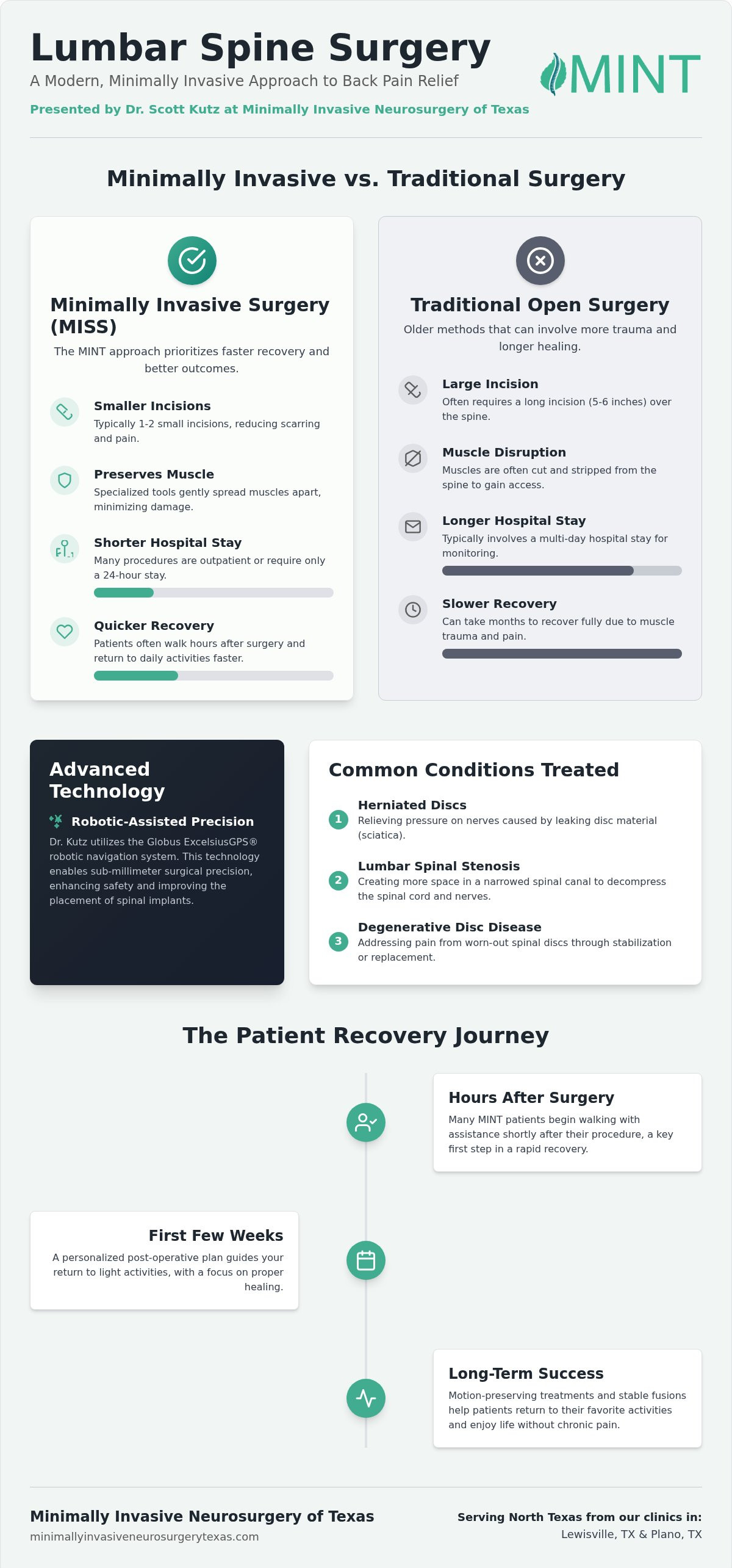
Choosing between traditional open surgery and a minimally invasive approach is a pivotal decision for patients in Lewisville and Plano. Traditional open lumbar spine surgery often requires a long incision and the stripping of muscles from the spinal column to provide the surgeon with a direct view of the area. This method frequently leads to significant tissue trauma, higher levels of post-operative pain, and extended hospital stays. Dr. Scott Kutz, a board-certified neurosurgeon and Fellow of the American College of Surgeons, offers a more advanced alternative that prioritizes the preservation of your natural anatomy.
Minimally invasive spine surgery (MISS) utilizes specialized instruments to tunnel through muscle fibers rather than cutting them. Dr. Kutz leverages his extensive fellowship training to perform complex repairs through incisions that are often less than an inch long. Recent advancements in lumbar spine surgery have refined these techniques, allowing for greater surgical precision while minimizing blood loss. Patients in North Texas increasingly choose MISS at our boutique surgical centers because it facilitates a faster return to normal activity. By avoiding the large-scale muscle disruption of open procedures, you can focus on healing rather than managing the trauma of the surgery itself.
The Benefits of a Minimally Invasive Approach
The clinical advantages of the MISS approach are measurable and significant. Because the procedure spares the surrounding soft tissues, patients typically experience a dramatic reduction in post-operative pain. This often leads to a decreased reliance on narcotic pain medications during the healing process. Other benefits include:
- Minimal blood loss and a lower risk of infection compared to open surgery.
- Smaller surgical scars that heal more quickly and discreetly.
- Significantly faster recovery times that often allow patients to walk within hours of the procedure.
- Reduced time spent in the hospital, with many procedures now performed in an outpatient setting.
Motion-Preservation: The Artificial Disc Alternative
While traditional stabilization often relies on fusion, Dr. Scott Kutz specializes in motion-preserving alternatives. Artificial disc replacement (ADR) involves replacing a damaged lumbar disc with a high-tech prosthetic that mimics natural movement. Unlike fusion, which locks vertebrae together, ADR maintains your natural range of motion. This is a crucial distinction because it may reduce the risk of adjacent segment disease, a condition where the spinal levels above or below a fusion wear out prematurely due to increased stress. You can explore the specific benefits of artificial disc replacement at MINT to see if this technology is right for your condition. This commitment to innovation ensures that our patients in Plano and Lewisville receive the most modern care available.
The Patient Journey: Recovery Timelines and What to Expect
Recovery begins the moment you wake up from lumbar spine surgery at our specialized facility. Unlike traditional open procedures that might keep you bedridden for days, the minimally invasive spine surgery (MISS) techniques used by Dr. Scott Kutz allow for immediate mobilization. Mobilization simply means getting up and moving around as soon as the anesthesia wears off. Dr. Kutz, a board-certified neurosurgeon, Fellow of the American Association of Neurological Surgeons, and Fellow of the American College of Surgeons, prioritizes this early movement to promote healthy circulation and reduce the risk of post-operative complications. Most patients at our Lewisville and Plano locations find themselves walking through the hallways within just a few hours of their procedure.
Dr. Scott Kutz and the MINT team provide a detailed post-operative plan to ensure a smooth transition back to your daily life. This plan includes specific instructions on activity levels, wound care, and pain management. Because our approach minimizes muscle disruption, the recovery timeline is significantly shorter than what patients experience with traditional surgery. Most office-based professionals in Lewisville or Plano return to light duty within one to two weeks, while those in more physically demanding roles may require more time to heal fully.
The First 48 Hours After Lumbar Surgery
During the first 48 hours, you will manage minor discomfort at the incision site using prescribed clinical protocols. Early mobilization remains a top priority during this window to prevent blood clots and encourage the body’s natural healing processes. You will typically attend your first follow-up appointment in either Plano or Lewisville within the first week. This visit allows Dr. Kutz to monitor your progress and answer any questions you have about your increasing activity levels. Our boutique surgical center model ensures you receive personal attention during these critical early stages of recovery.
Long-Term Healing and Returning to Activity
Long-term healing involves the gradual reintroduction of more strenuous exercise and heavy lifting, which typically occurs over six to twelve weeks. Physical therapy is often recommended after the initial healing phase to strengthen the core and supporting muscles. Core stabilization is essential because it provides a natural internal brace for your spine, reducing the likelihood of future lumbar issues. You can gain confidence in this process by reviewing patient testimonials to see real-world recovery outcomes from individuals who have reclaimed their quality of life. If you are ready to move past the fear of a painful recovery and find a permanent solution for your sciatica, contact MINT today to schedule your initial evaluation.
Why Plano and Lewisville Patients Trust Dr. Scott Kutz for Lumbar Care
Dr. Scott Kutz is a board-certified neurosurgeon, Fellow of the American Association of Neurological Surgeons, and Fellow of the American College of Surgeons with over 20 years of experience. He specializes in complex spinal disorders and performs lumbar spine surgery with a focus on motion preservation and rapid recovery. Our new 2026 Lewisville headquarters provides a state-of-the-art environment where patients receive comprehensive evaluations and personalized treatment plans tailored to their specific needs. This facility serves as a hub for precision care, allowing us to combine clinical excellence with a warm, patient-centered atmosphere.
At MINT, we believe that precision is the foundation of successful clinical outcomes. Dr. Kutz maintains a high-tech healer persona by mastering the most advanced tools available in modern neurosurgery. We don’t just treat symptoms; we utilize data-driven diagnostics and robotic assistance to resolve the underlying structural issues in your spine. This commitment to innovation distinguishes our practice from traditional clinics and positions us at the forefront of spinal medicine in North Texas.
Advanced Technology for Superior Outcomes
Dr. Kutz utilizes the Globus Excelsius robotic navigation system to achieve sub-millimeter precision during every procedure. This technology significantly reduces radiation exposure for both the patient and the surgical team while increasing the accuracy of hardware placement. We also integrate Augmedics AR, an augmented reality headset that allows Dr. Kutz to see through tissue as if he has X-ray vision. This high-tech approach ensures that every step of your procedure follows a precise, pre-planned path with unmatched visual clarity. Precision-driven planning serves as the cornerstone of our philosophy, ensuring that we address the root cause of your pain with minimal impact on healthy tissues.
Personalized Care in Your Community
Choosing MINT means opting for boutique surgical care that avoids the cold bureaucracy of large hospital systems. We prioritize your quality of life and treat every patient as a neighbor rather than a case number. Our convenient locations serve Lewisville, Plano, Dallas, and the entire North Texas metroplex, making world-class neurosurgery accessible without the need for long-distance travel. This focus on specialized, community-based care is a priority for patients across the state; for instance, those in South Texas may prioritize finding a trusted dentist San Antonio TX for their oral health needs. We take pride in being a local alternative that offers the technological capabilities of a major university hospital within a more intimate, responsive setting. If you are ready to reclaim your mobility and return to your daily activities without pain, contact MINT today at (972) 244-3491 to schedule your consultation with Dr. Scott Kutz.
Reclaim Your Mobility with Precision Spinal Care
Choosing to address chronic back pain is a significant step toward improving your daily quality of life. Modern lumbar spine surgery at MINT prioritizes your long-term mobility through the use of robotic precision and motion-preserving techniques. By avoiding the tissue trauma associated with traditional open surgery, you can look forward to a faster return to your normal activity. Dr. Scott Kutz brings over 20 years of specialized spinal experience to every procedure. He is board-certified by the American Board of Neurological Surgery and serves as a Fellow of the American College of Surgeons.
Whether you visit our state-of-the-art headquarters in Lewisville or our clinic in Plano, you’ll receive personalized attention from a team dedicated to your recovery. Don’t let persistent sciatica or radiating pain dictate your future. Our high-tech approach ensures that your treatment is as accurate as it is compassionate. You deserve a life free from the constraints of chronic spinal conditions. Schedule your consultation with Dr. Scott Kutz at MINT today and take the first step toward lasting relief. We look forward to helping you achieve a pain-free tomorrow.
Frequently Asked Questions
Is lumbar spine surgery considered a major surgery?
Lumbar spine surgery is a significant medical procedure because it involves the delicate structures of the spinal column and neural pathways. However, the minimally invasive methods Dr. Scott Kutz uses at MINT differ greatly from traditional open surgeries. By using smaller incisions and specialized tools, we minimize blood loss and muscle trauma. This modern approach often changes the patient experience from a long hospital stay to a much faster recovery process.
How long does the average lumbar surgery take to perform?
Most lumbar procedures take between one and three hours to perform depending on the complexity of the case. A simple decompression, such as a microdiscectomy, often takes about an hour. More complex stabilization procedures like a Transforaminal Lumbar Interbody Fusion (TLIF) may take longer. Dr. Scott Kutz utilizes robotic navigation to streamline these steps, ensuring the procedure remains efficient while maintaining sub-millimeter precision.
When can I drive again after a minimally invasive lumbar procedure?
You can typically return to driving within one to two weeks after a minimally invasive procedure. Two specific conditions must be met before you get behind the wheel. You must no longer require narcotic pain medication, and you must have enough leg strength to perform an emergency brake maneuver safely. Dr. Scott Kutz will provide a specific clearance during your follow up appointment in Lewisville or Plano.
Will I need a brace after my lumbar surgery in Lewisville?
The need for a back brace depends entirely on the specific type of procedure performed. Patients undergoing a stabilization or fusion procedure often wear a brace for several weeks to support the spine while the bone heals. If you undergo a simple decompression or an endoscopic procedure, you likely won’t need a brace. Our team provides custom instructions and fitting at our Lewisville headquarters if a brace is necessary for your recovery.
What is the success rate for minimally invasive lumbar fusion?
Clinical studies generally show high success rates for minimally invasive lumbar fusion, with many patients reporting significant relief from radiating leg pain and disability. While individual outcomes depend on your overall health and the severity of nerve compression, the goal is always a return to normal activity. Dr. Scott Kutz, a board-certified neurosurgeon, discusses realistic expectations based on your diagnostic imaging during your initial consultation.
Can lumbar spine surgery help with my chronic hip pain?
Surgery on the lower back can resolve chronic hip pain if the source of the discomfort is actually a compressed nerve in the lumbar spine. This is a common occurrence where pain refers or travels from the spine to the hip area. If the pain stems from the hip joint itself, such as arthritis, spine surgery won’t resolve it. A thorough evaluation at MINT helps distinguish between these two issues to ensure you receive the correct treatment.
Does Dr. Scott Kutz accept my insurance for spine surgery in Plano?
Dr. Scott Kutz and the MINT team accept many major private insurance plans for procedures performed in Plano and Lewisville. Because insurance networks change frequently, you should call our office at (972) 244-3491 to verify your specific coverage. Our staff assists with the pre-authorization process to help you understand your benefits before you move forward with any surgical intervention.
How do I know if I need a fusion or an artificial disc replacement?
The choice between fusion and artificial disc replacement depends on the health of your facet joints and the stability of your spine. Artificial disc replacement is a motion-preserving option suitable for patients with healthy joints and localized disc degeneration. Fusion is often necessary if there is significant instability or advanced arthritis. Dr. Kutz uses advanced imaging and his 20 years of experience to determine which approach will provide the most durable result for your lifestyle.