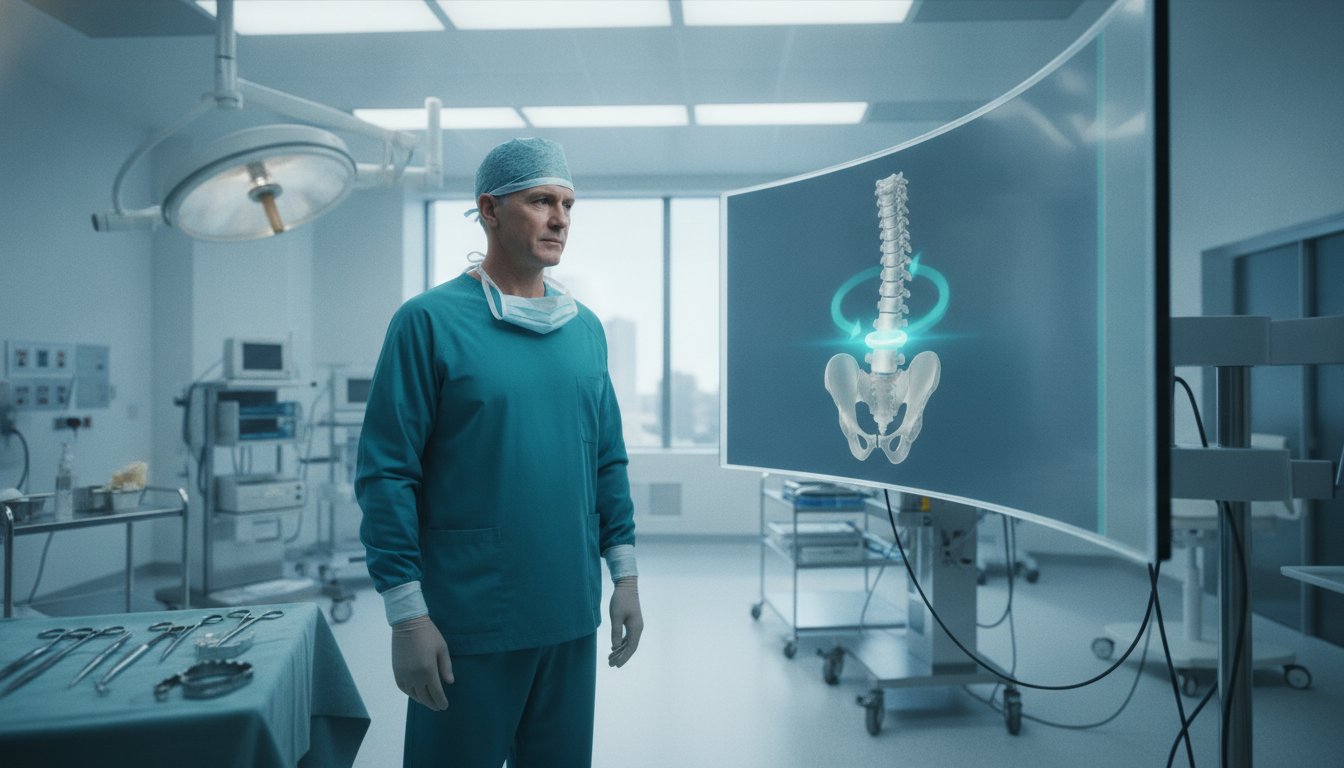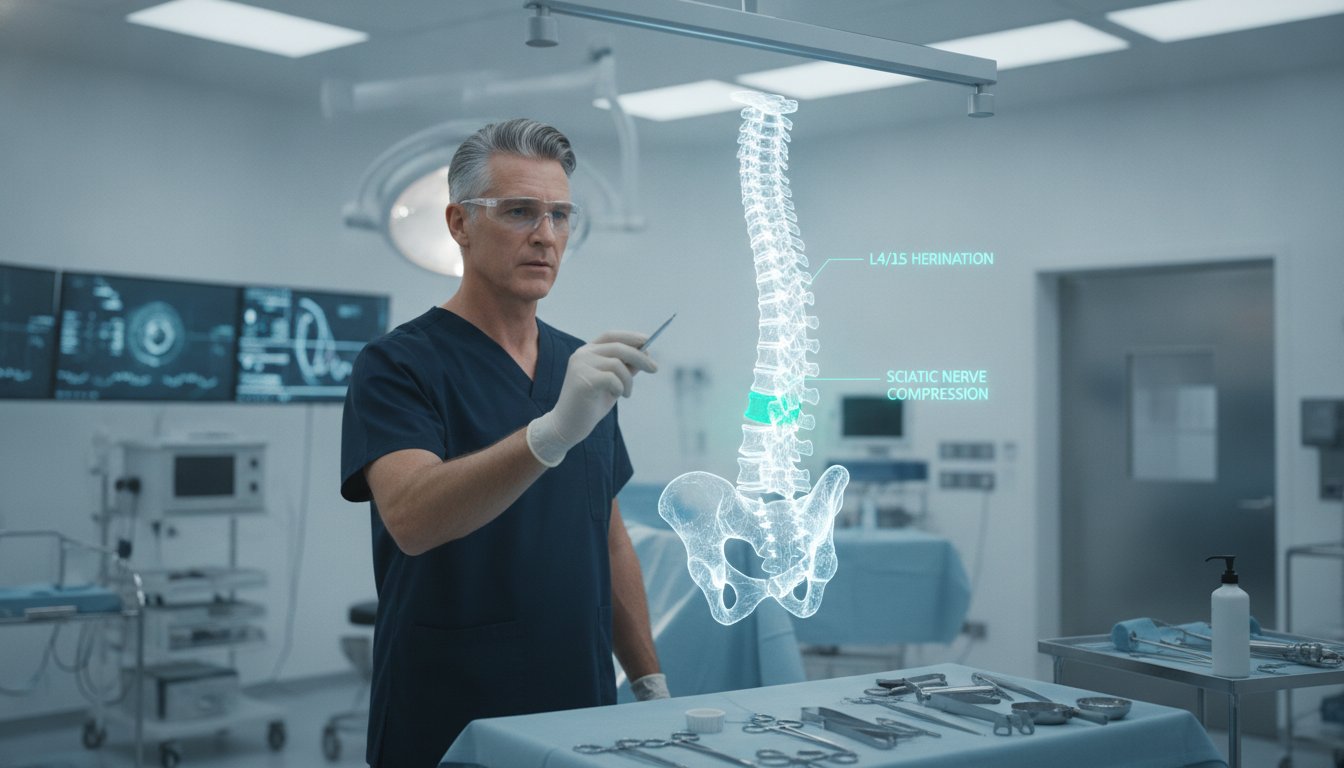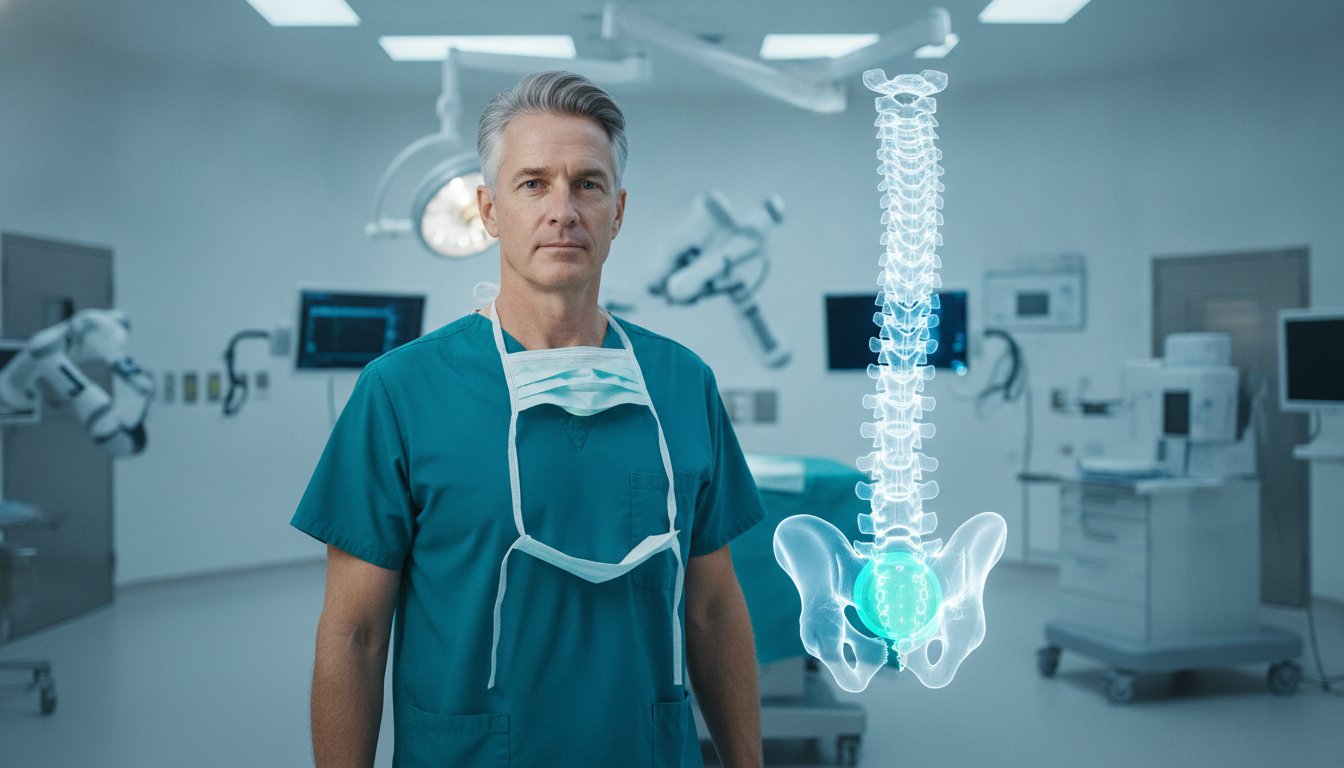
Minimally Invasive Neurosurgery of Texas (MINT), led by Dr. Scott Kutz, a board-certified neurosurgeon, provides specialized spine surgery and artificial disc replacement in Lewisville and Plano, Texas.
What if the surgery you fear is actually the shortest path back to the life you miss? Many patients living with chronic sciatica or radiating leg pain delay treatment because they dread a long, painful recovery. You likely feel overwhelmed by the choice between different specialists while worrying that surgery might limit your mobility rather than restore it. This article explains how a board-certified disc pain spine surgeon utilizes modern, minimally invasive techniques to target the source of your pain with extreme precision. You will learn the specific criteria for selecting a local expert in North Texas and how Dr. Scott Kutz, who is both a Fellow of the American Association of Neurological Surgeons and a Fellow of the American College of Surgeons, prioritizes motion-preserving outcomes. We’ll preview the latest 2026 clinical trends that allow for faster healing and a confident return to your normal daily activities. You deserve to move without restriction.
Key Takeaways
- Identify the specific qualifications of a specialized disc pain spine surgeon who prioritizes nerve preservation and motion-preserving techniques.
- Understand the diagnostic process used by Dr. Scott Kutz to pinpoint the exact source of chronic back pain before recommending a treatment plan.
- Learn about the advantages of minimally invasive spine surgery, including smaller incisions and a faster return to your normal daily activities.
- Discover how advanced robotic navigation technology helps Dr. Scott Kutz, a board-certified neurosurgeon, achieve high levels of surgical precision.
- Recognize the key indicators that your condition requires a specialist intervention rather than continued conservative care.
What is a Disc Pain Spine Surgeon?
Minimally Invasive Neurosurgery of Texas (MINT) operates as a premier spinal care practice with offices in Lewisville and Plano. Patients seeking relief from debilitating back conditions often search for a specialized disc pain spine surgeon who can provide more than just temporary symptom management. Dr. Scott Kutz, a board-certified neurosurgeon, leads the practice with over 20 years of clinical experience. He is a Fellow of the American Association of Neurological Surgeons and a Fellow of the American College of Surgeons. His expertise centers on diagnosing and treating structural issues like Spinal disc herniation and degenerative disc disease. These conditions require a surgeon who understands how structural changes in the spine impact the delicate neural pathways that control your movement and sensation.
The Role of a Neurosurgeon in Spine Care
Neurosurgeons undergo rigorous training that specifically focuses on the brain, spinal cord, and peripheral nerves. This specialized education allows a neurosurgeon to handle complex nerve-related spinal disorders with a level of precision that protects your long-term mobility. Dr. Scott Kutz utilizes his fellowship training in functional neurosurgery to improve patient outcomes through evidence-based care. When a patient experiences chronic radiating pain, the surgical objective involves more than just adjusting bone; it requires the careful decompression of sensitive nerves. Neurosurgical precision is vital when working near the spinal cord. Even a minor error in this high-stakes environment can lead to permanent nerve damage. By choosing a neurosurgeon at MINT, you ensure that your central nervous system remains the top priority during any procedure.
Neurosurgery vs. Orthopedic Spine Surgery
Patients often feel confused about whether to see an orthopedic surgeon or a neurosurgeon for back pain. Both specialists treat spinal conditions, but their foundational perspectives differ significantly. Orthopedic surgeons generally focus on the musculoskeletal system, including bones and joints. Neurosurgeons, however, maintain a deeper focus on the central nervous system and the dural sac that protects spinal nerves. A neurosurgical residency involves a significantly higher volume of procedures involving the dural sac and nerve roots compared to other specialties. This specialized knowledge directly benefits patients suffering from radiating disc pain, often referred to as sciatica. Because Dr. Scott Kutz views the spine as the protective housing for the nervous system, his approach to minimally invasive spine surgery focuses on achieving decompression with minimal disruption to surrounding tissues. This perspective is essential for ensuring a return to normal activity without the heavy burden of long recovery times.
Diagnosing the Source of Your Chronic Disc Pain
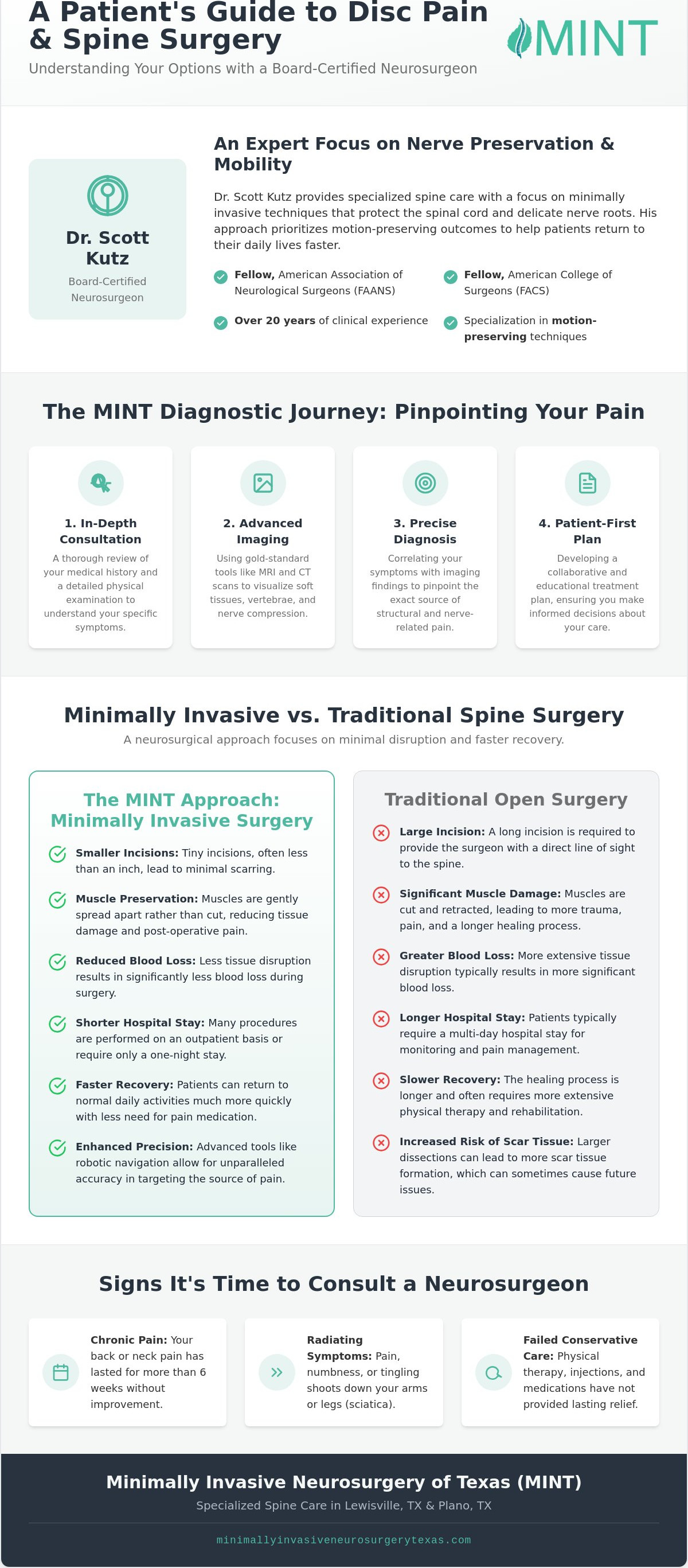
Dr. Scott Kutz begins every patient journey with a detailed physical examination and a thorough review of your medical history. This initial consultation allows him to understand the nuances of your symptoms and how they impact your daily life in Lewisville or Plano. A specialized disc pain spine surgeon recognizes that imaging alone does not tell the whole story; the clinical presentation must align with diagnostic findings. By prioritizing patient education, Minimally Invasive Neurosurgery of Texas (MINT) ensures you understand the underlying cause of your discomfort before discussing surgical options. This collaborative approach builds the trust necessary for a successful recovery across the broader Dallas-Fort Worth Metroplex.
Accurate diagnosis serves as the foundation for any minimally invasive treatment plan. Dr. Scott Kutz, a board-certified neurosurgeon and Fellow of the American Association of Neurological Surgeons, utilizes advanced diagnostic protocols to pinpoint the exact level of spinal dysfunction. When a patient understands their condition, they can make informed decisions about their healthcare journey. This clarity is especially important for those suffering from a authoritative overview of disc herniation, where symptoms often mimic other musculoskeletal issues.
Advanced Imaging and Nerve Testing
To visualize the internal structures of the spine, Dr. Kutz employs several high-tech diagnostic tools. Magnetic Resonance Imaging (MRI) remains the gold standard for identifying soft tissue issues like herniated discs or nerve root compression. If he needs to evaluate the integrity of your vertebrae, a CT scan provides a detailed view of the bony architecture. Additionally, Electromyography (EMG) measures the electrical activity of your muscles in response to nerve stimulation. This test helps Dr. Kutz identify the precise site of nerve impingement, ensuring that any subsequent procedure targets the correct area with robotic precision. If you are experiencing persistent numbness or weakness, it may be time to schedule a diagnostic evaluation to determine the cause.
Common Conditions Treated by Dr. Scott Kutz
Dr. Scott Kutz treats a wide range of spinal conditions that contribute to chronic pain and loss of mobility. Herniated discs occur when the soft, jelly-like center of a spinal disc pushes through a tear in the tougher exterior, often irritating nearby nerves. Degenerative disc disease involves the gradual wear and tear of spinal discs, a process that can lead to instability and localized pain. He also treats spinal stenosis, a condition where the spaces within your spine narrow and put pressure on the nerves that travel through the spine. By utilizing specialized technologies like the Globus Excelsius robotic navigation system, Dr. Kutz can plan interventions that address these conditions with minimal impact on healthy surrounding tissue.
Minimally Invasive vs. Traditional Spine Surgery
Traditional spine surgery often involves long incisions and the detachment of muscle from the bone. This open approach leads to significant post-operative discomfort and extended healing times. Dr. Scott Kutz utilizes advanced Minimally Invasive Spine Surgery (MISS) to avoid these drawbacks. As a specialized disc pain spine surgeon, he accesses the spinal column through small incisions, often less than an inch long. This method preserves the structural integrity of the back muscles, resulting in reduced blood loss and a lower risk of surgical site infections. Patients typically move from the recovery room to their own homes much faster than those undergoing traditional procedures.
The transition to modern surgical techniques has transformed the patient experience in Plano and Lewisville. By minimizing tissue trauma, Dr. Scott Kutz reduces the body’s inflammatory response, which directly correlates to less post-operative pain and a decreased reliance on narcotic medications. This results-oriented approach ensures that the surgical intervention serves as a bridge to recovery rather than a source of new trauma. Whether you are dealing with a simple herniation or complex degeneration, the goal remains the same: a safe, efficient return to your daily routine.
The Advantages of Endoscopic Spine Surgery
Through the use of endoscopic spine surgery, Dr. Kutz achieves a level of precision that traditional methods cannot match. This technique involves a tiny camera, or endoscope, that transmits high-definition images of the spinal canal to a monitor in real-time. By working through an incision smaller than a fingernail, Dr. Kutz removes herniated disc material without disturbing the surrounding healthy tissue. Research indicates that transforaminal endoscopic surgery has an 89% success rate based on pain scale improvements six months after the procedure. This high-tech approach allows patients to resume their professional lives and hobbies with minimal interruption.
Preserving Mobility with Artificial Disc Replacement
For many patients with degenerative disc disease, artificial disc replacement offers a superior alternative to spinal fusion. Traditional fusion surgery locks two vertebrae together, which can place extra stress on the levels above and below the surgical site. Dr. Scott Kutz focuses on motion-preserving techniques to prevent this adjacent segment disease. By replacing a damaged disc with a prosthetic designed to mimic natural movement, he maintains the natural range of motion in your neck or lower back. This procedure is especially effective for active individuals who want to avoid the stiffness often associated with fusion. Every intervention at MINT prioritizes protecting the natural mechanics of the human spine.
Signs It Is Time to Consult a Neurosurgeon
Many patients in Plano and Lewisville treat back pain as a temporary inconvenience. While minor strains often resolve with rest, chronic pain that persists for more than six weeks indicates a more serious underlying issue. Dr. Scott Kutz, a board-certified neurosurgeon, recommends an evaluation when conservative measures fail to provide relief. Finding a qualified disc pain spine surgeon early in your journey can prevent the progression of structural damage. If your discomfort interferes with your sleep or prevents you from performing your daily job duties, you shouldn’t wait to seek professional advice. Early intervention often prevents permanent nerve damage and the long-term disability associated with untreated spinal conditions.
Neurological Red Flags
Certain symptoms, known as neurological red flags, require immediate attention from a neurosurgeon. Numbness or a “pins and needles” sensation in your arms or legs suggests that a disc is significantly compressing a nerve. You might also notice muscle weakness or a sudden loss of coordination. These are signs of advanced neural compromise. Radiating pain that travels from the lower back down the leg, commonly referred to as sciatica, indicates that a herniated or bulging disc is pressing on a specific nerve root. Dr. Scott Kutz, a Fellow of the American Association of Neurological Surgeons, emphasizes that these symptoms reflect a direct impact on your central nervous system that requires specialized surgical expertise.
When Conservative Treatments Fail
Most patients begin their recovery with non-surgical options like physical therapy or epidural steroid injections. If these treatments haven’t provided meaningful relief after several months, surgery becomes a logical next step. Dr. Scott Kutz, who is also a Fellow of the American College of Surgeons, meticulously reviews your previous treatment history to understand why conservative care was unsuccessful. At Minimally Invasive Neurosurgery of Texas (MINT), we frequently provide second opinions for patients who feel hesitant about undergoing a traditional open fusion. Our focus on minimally invasive spine techniques allows us to offer alternatives that prioritize your mobility. If you are ready to explore a more effective path to recovery, contact our team today for a comprehensive consultation.
Advanced Disc Treatment at MINT with Dr. Scott Kutz
Minimally Invasive Neurosurgery of Texas (MINT) provides precision-driven, patient-centered care at our offices in Lewisville and Plano. Dr. Scott Kutz, a board-certified neurosurgeon and Fellow of the American Association of Neurological Surgeons, leads our team with a commitment to evidence-based recovery. Our practice moved its headquarters to Lewisville in 2026 to better serve the growing North Texas community with advanced spinal solutions. Selecting a disc pain spine surgeon who invests in proprietary technological systems ensures you receive the most modern care available. We focus on improving your quality of life through the least invasive methods possible, helping you avoid the trauma of traditional open surgery. You can read our patient testimonials to learn how others have successfully resolved chronic conditions and returned to their normal daily activities.
Robotic Navigation and Precision Planning
Dr. Scott Kutz utilizes the Globus Excelsius robotic navigation system to achieve a level of accuracy that traditional methods cannot match. This technology provides a real-time, 3D map of your spinal anatomy, allowing for the precise placement of surgical instruments and implants. Robotic guidance significantly reduces the need for large incisions and minimizes radiation exposure for the patient by decreasing the reliance on intraoperative X-rays. Dr. Kutz also incorporates Augmedics AR, an augmented reality system that projects a “see-through” view of your spine directly onto his surgical headset. This combination of robotics and AR allows for unparalleled visualization, ensuring that every movement protects the delicate nerve structures surrounding your spinal discs.
Schedule Your Consultation in Lewisville or Plano
Our new headquarters at 1027 Henger Street in Lewisville offers a specialized, boutique surgical environment that prioritizes personal attention over the coldness of a large hospital system. We also maintain an office in Plano to ensure convenient access for patients throughout the Dallas-Fort Worth Metroplex. Whether you live in Flower Mound, Allen, or McKinney, our results-oriented approach provides a clear narrative of recovery and progress. Our team understands that chronic pain affects every aspect of your life, from your sleep to your professional performance. Contact our staff at (972) 244-3491 to discuss your symptoms and schedule an appointment. Take the first step toward a pain-free life by choosing the certified authority of Dr. Scott Kutz at MINT.
Take the Next Step Toward a Pain-Free Life
Finding relief from chronic spinal conditions shouldn’t feel like an impossible burden. By focusing on precision diagnostics and motion-preserving techniques, you can move past the physical limitations of radiating pain. Selecting a specialized disc pain spine surgeon ensures that your central nervous system remains protected throughout your entire recovery journey. Dr. Scott Kutz brings over 20 years of specialized experience and is board-certified by the American Board of Neurological Surgery. His use of state-of-the-art robotic surgical technology provides the accuracy needed for superior clinical outcomes with minimal downtime. Whether you visit our Lewisville headquarters or our Plano office, our team prioritizes your return to normal activity. Don’t let chronic discomfort dictate your future when modern, minimally invasive solutions are available right here in North Texas. Schedule your consultation with Dr. Scott Kutz today and start your path back to the activities you love. You deserve a life defined by movement and strength rather than persistent suffering.
Frequently Asked Questions
How long is the recovery after minimally invasive disc surgery?
Patients often return to light office work within 1 to 2 weeks after a procedure. Full recovery for more strenuous activities generally occurs between 4 to 6 weeks. This timeline provides a significantly shorter recovery period than traditional open surgery because the specialized disc pain spine surgeon avoids cutting through major muscle groups. Dr. Scott Kutz utilizes minimally invasive spine techniques to ensure a faster return to normal activity for his patients in Lewisville and Plano.
Does Dr. Scott Kutz treat herniated discs without surgery?
Dr. Scott Kutz never recommends surgery as the first option unless a patient presents with severe neurological deficits or loss of function. He suggests a trial of physical therapy, anti-inflammatory medications, or epidural injections for at least 6 to 12 weeks. Many patients from across the Dallas-Fort Worth Metroplex find relief through these conservative methods without ever needing an operation. We only discuss surgical interventions when these non-invasive treatments fail to improve your quality of life.
Will I need to stay in the hospital after my spine procedure?
Dr. Scott Kutz performs most minimally invasive procedures at MINT on an outpatient basis, which allows you to go home the same day. This approach reduces your exposure to hospital-acquired infections and lets you recover in the comfort of your own home. For more complex cases involving multiple levels of the spine, Dr. Kutz may recommend a one-night stay at a local surgical center in Lewisville or Plano to monitor your initial progress and manage post-operative comfort.
What is the difference between a bulging disc and a herniated disc?
A bulging disc occurs when the disc shifts out of its normal space but the tough outer wall remains intact. In contrast, a herniated disc involves a crack or tear in that outer layer, allowing the soft inner material to leak out and irritate nearby nerves. Both conditions cause significant pain and mobility issues. Dr. Scott Kutz uses advanced imaging to distinguish between these conditions and determine the most effective treatment plan for your specific diagnosis.
Is artificial disc replacement better than spinal fusion?
Artificial disc replacement offers the distinct advantage of preserving natural spinal motion rather than locking vertebrae together. While spinal fusion provides necessary stability for certain conditions, it can lead to increased wear on the surrounding spinal levels over time. Dr. Scott Kutz evaluates each patient to determine if they qualify for artificial disc replacement to maintain their range of motion and prevent future complications in adjacent segments.
How do I know if my leg pain is caused by a disc in my back?
Leg pain originating from a spinal disc typically follows the path of a specific nerve; physicians often call this condition sciatica. You may experience a sharp, electric sensation that travels from your buttock down to your calf or foot, sometimes accompanied by numbness or weakness. A specialized disc pain spine surgeon uses diagnostic tests like an MRI to confirm if a disc triggers this radiating discomfort rather than a localized muscle or joint issue.
Does MINT accept insurance for disc pain surgery in Plano?
We accept a wide variety of major insurance plans at our Plano and Lewisville locations to ensure our specialized care remains accessible. Our administrative team works closely with your provider to verify coverage, understand your benefits, and obtain necessary authorizations before your procedure. We recommend contacting our office directly with your insurance information so we can provide specific details regarding your individual plan and any potential out-of-pocket responsibilities.
What should I bring to my first appointment with Dr. Scott Kutz?
You should bring any recent MRI or CT scan images on a CD, along with the written radiologist reports for Dr. Scott Kutz to review. Providing a list of your current medications and previous treatments like physical therapy or injections also helps Dr. Kutz perform a comprehensive evaluation. This information allows us to move quickly toward a diagnosis during your initial visit.