Minimally Invasive Neurosurgery of Texas (MINT) is a specialized surgical practice led by board-certified neurosurgeon Dr. Scott Kutz. From our clinics in Lewisville and Plano, TX, Dr. Kutz provides advanced care for complex spinal conditions. Our team focuses on motion-preserving techniques that allow patients to recover quickly and maintain their natural range of motion.
What if the persistent leg cramping that interrupts your walk through Arbor Hills Nature Preserve is not a simple muscle strain? Many patients struggle with neurogenic claudication, which is leg pain or weakness caused by nerve compression. This often results from spinal stenosis, which is the narrowing of the spaces within your spine that puts pressure on the nerves. You likely feel frustrated when numbness forces you to stop and rest. We promise to show you how advanced spinal stenosis treatment Plano TX under the care of Dr. Scott Kutz can return you to an active lifestyle. Whether you live in Plano or nearby McKinney, this guide previews how modern surgical interventions achieve high success rates while minimizing recovery time.
Key Takeaways
- Dr. Scott Kutz and the MINT team provide advanced spinal stenosis treatment Plano TX to help patients overcome chronic leg pain and mobility limitations.
- Identify the symptoms of neurogenic claudication, which is leg weakness or cramping caused by the narrowing of the spinal canal and nerve compression.
- Explore why minimally invasive neurosurgery is the preferred choice for reducing tissue disruption and accelerating your return to an active lifestyle.
- Understand how motion-preserving techniques allow you to maintain natural flexibility while effectively addressing the source of your spinal narrowing.
- Review recovery milestones for modern spinal procedures, which typically allow for a return to light professional duties within two to four weeks.
Understanding Spinal Stenosis and Your Treatment Options in Plano
Minimally Invasive Neurosurgery of Texas (MINT) provides specialized spinal stenosis treatment Plano TX under the leadership of Dr. Scott Kutz. Dr. Kutz is a board-certified neurosurgeon and a Fellow of the American Association of Neurological Surgeons (AANS) and the American College of Surgeons (ACS). He brings over 20 years of surgical experience to patients across the Dallas-Fort Worth Metroplex. In January 2026, MINT relocated its main headquarters to Lewisville, TX, while maintaining a dedicated presence in Plano. This strategic expansion ensures that residents in surrounding areas like McKinney and Allen have accessible specialized care.
The Clinical Definition of Spinal Stenosis
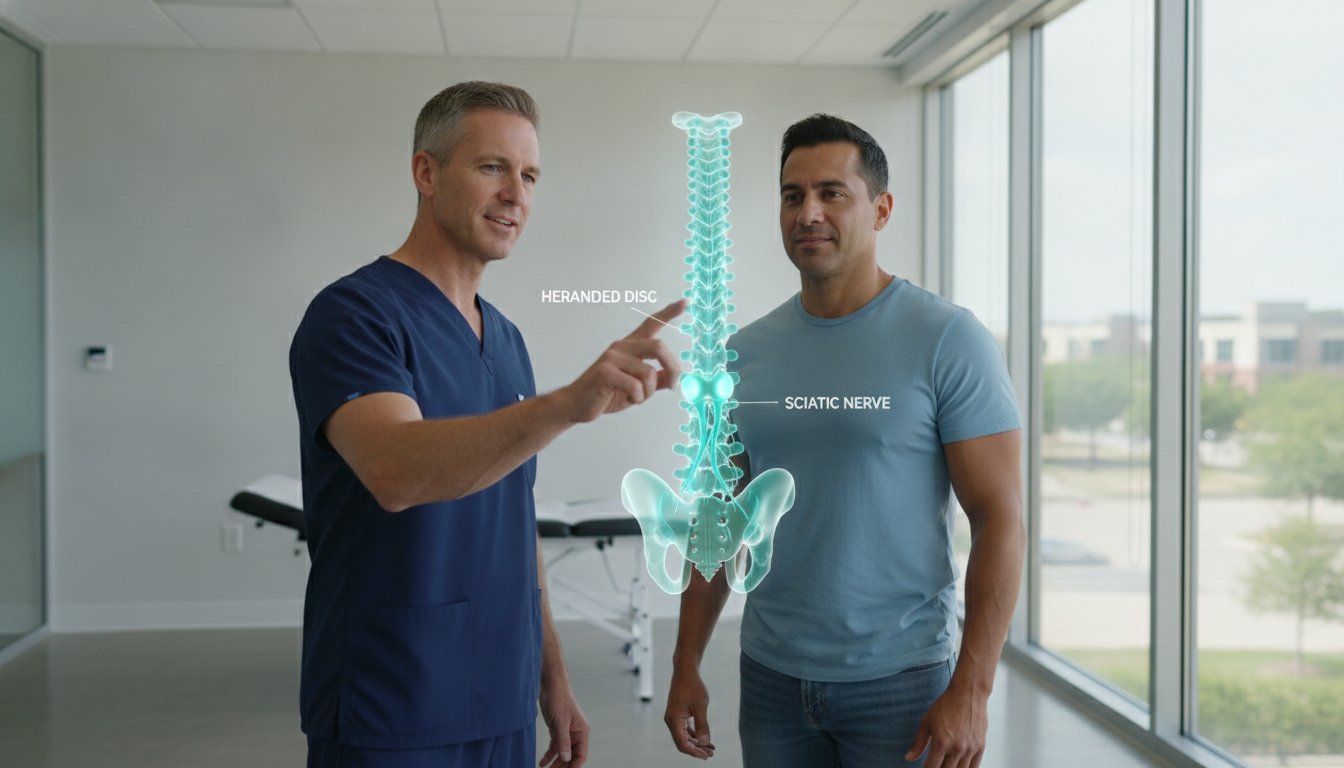
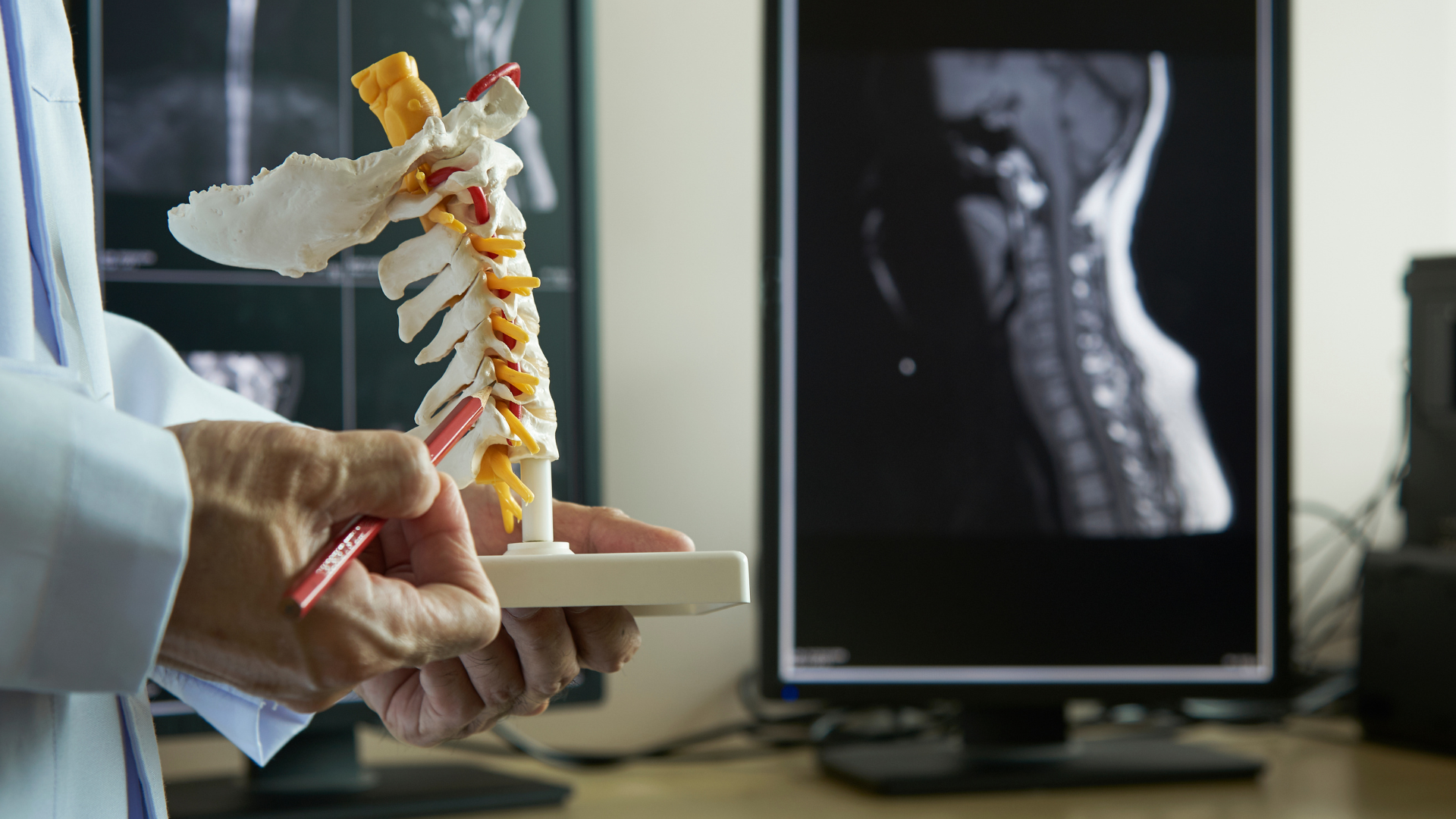
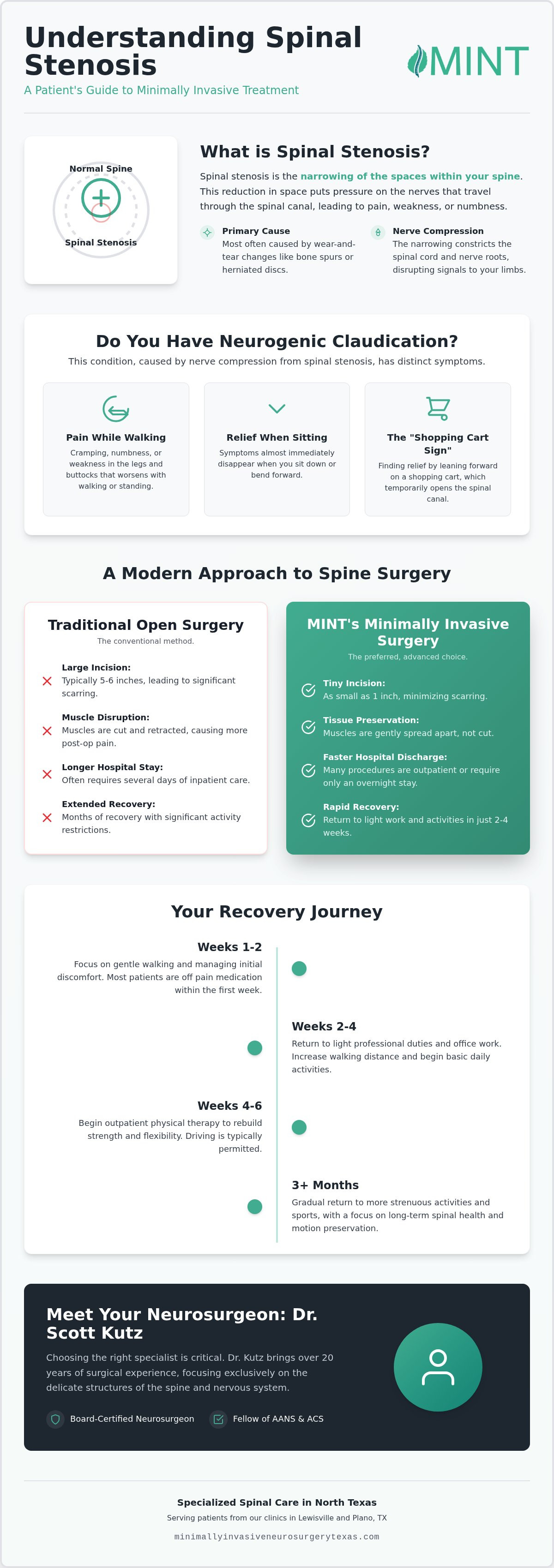
Spinal stenosis occurs when the spaces within your spine narrow. This narrowing puts pressure on the nerves that travel through the backbone. Clinicians often define Spinal Stenosis as the constriction of the spinal canal or the intervertebral foramina, which are the small openings where nerve roots exit the spine. Several factors contribute to this condition. Bone spurs, which doctors call osteophytes, often grow on the vertebrae due to wear and tear; additionally, herniated discs can bulge into the canal. These physical changes compress the spinal cord and nerve roots. This compression leads to pain, numbness, or weakness in the extremities. It primarily affects the lumbar region, or lower back, and the cervical region, which is the neck.
Why Seek a Board-Certified Neurosurgeon in Plano?
Choosing the right specialist for spinal stenosis treatment Plano TX is a critical decision for your long-term mobility. Dr. Scott Kutz offers a unique level of precision as a board-certified neurosurgeon. While both orthopedic surgeons and neurosurgeons perform spine surgery, neurosurgeons undergo extensive training specifically focused on the delicate structures of the nervous system. This includes the intricate pathways of the spinal cord. Dr. Kutz utilizes his deep expertise to perform minimally invasive spine techniques that prioritize tissue preservation. His status as a Fellow of the AANS signifies a commitment to the highest standards of neurosurgical care. Patients benefit from his use of advanced robotic systems like Globus Excelsius, which provide unmatched accuracy during complex procedures. You don’t have to settle for traditional, highly invasive methods that require long hospital stays. Instead, you can trust a specialist who focuses on motion preservation and rapid recovery. More information about our team’s background is available on our about us page.
How Do I Know if My Leg Pain is Spinal Stenosis?
Many residents in Plano mistake chronic leg pain for simple muscle fatigue or signs of aging. However, leg cramping that occurs specifically when you stand or walk often signals lumbar spinal stenosis. Clinicians call this symptom neurogenic claudication. The narrowing of the spinal canal compresses the nerves that control your legs, leading to discomfort that intensifies over time. Unlike a standard back strain, which usually feels worse during specific movements and better with general rest, stenosis symptoms follow a very predictable pattern related to your posture and activity level. If you find yourself needing to sit down frequently during a trip to the grocery store, you may require specialized spinal stenosis treatment Plano TX.
Common Symptoms for Plano Patients
If you experience relief while leaning forward on a shopping cart or sitting down, you likely demonstrate the “shopping cart sign.” This forward-leaning posture temporarily opens the spinal canal and relieves nerve pressure. Patients at MINT often report a specific set of symptoms that impact their daily lives in the Dallas-Fort Worth area:
- Heavy or “wooden” feelings in the legs that make walking difficult.
- Numbness or tingling that starts in the buttocks and radiates down toward the feet.
- Cramping or pain in the calves that disappears almost immediately upon sitting.
- A noticeable decrease in the distance you can walk before the pain becomes unbearable.
You can read about how other patients overcame these limitations on our testimonials page. These symptoms often develop slowly over several years, but they rarely improve without professional intervention.
When to Visit MINT in Lewisville or Plano
While many patients manage mild symptoms for some time, certain “red flags” require an immediate consultation with Dr. Scott Kutz. You should seek a neurosurgical evaluation if you notice progressive weakness in your legs that causes you to stumble or trip. The most severe symptoms include a loss of bowel or bladder control. This indicates a medical emergency called cauda equina syndrome, which occurs when the nerve roots at the base of the spinal cord suffer extreme compression.
Understanding the nuances of spinal stenosis diagnosis and treatment helps you make informed decisions about your long-term health. Dr. Kutz and his team serve patients throughout North Texas, including Southlake and Flower Mound, from our offices in Lewisville and Plano. You don’t have to wait for the pain to become debilitating before seeking help. We recommend that you schedule a diagnostic evaluation to determine if your leg pain stems from nerve compression or a different underlying spinal condition.
Minimally Invasive Procedures for Spinal Stenosis at MINT
Dr. Scott Kutz provides advanced spinal stenosis treatment Plano TX through minimally invasive methods that prioritize patient safety and rapid recovery. At MINT, we avoid the large incisions and extensive muscle cutting associated with traditional open surgery. Our team uses smaller entry points to reduce tissue damage and minimize scarring. This approach preserves the structural integrity of your spine while effectively relieving pressure on compressed nerves. By focusing on these modern techniques, we help residents of Plano, Lewisville, and Dallas return to their daily routines with less discomfort.
Precision is the hallmark of our surgical philosophy. We utilize the Globus Excelsius robotic navigation system to enhance our accuracy during every procedure. This technology allows Dr. Kutz to create a personalized surgical plan based on your unique anatomy. The system combines robotic arms with real-time imaging to ensure that every instrument follows the exact path required for your decompression. This high-tech approach reduces the risk of complications and ensures better clinical outcomes for our patients throughout North Texas.
Endoscopic Spine Surgery for Decompression
Dr. Kutz often utilizes endoscopic spine surgery to treat stenosis with minimal impact on the body. This technique involves an endoscope, which is a tiny camera that passes through a small tube about the size of a pencil. Dr. Kutz views high-definition images of the spinal structures on a monitor in the operating room. He then uses specialized micro-instruments to remove bone spurs or thickened ligaments that cause nerve compression. Because we do not cut through the large back muscles, patients experience significantly less postoperative pain and a faster return to physical activity.
Minimally Invasive Laminectomy and Foraminotomy
A minimally invasive laminectomy creates vital space within the spinal canal. Dr. Kutz removes the lamina, which is the bony arch on the back of the vertebra, to relieve pressure on the spinal cord. We also perform foraminotomies to widen the foramen. These are the bony openings where nerve roots exit the spine. During these procedures, Dr. Kutz uses specialized tubular retractors to reach the spine. These tools gently push the stabilizing muscles aside rather than stripping them from the bone. This preservation of the surrounding musculature is essential for maintaining long-term spinal stability and preventing future complications.
Reviewing all available Spinal stenosis treatment options allows you to make an informed decision about your spinal health. We focus on motion-preserving options that address the root cause of your pain without the need for traditional spinal fusion whenever possible. This strategy ensures you maintain your natural range of motion and continue to enjoy an active lifestyle in Plano and the surrounding communities of Allen and McKinney.
Recovery Timelines and Outcomes for Plano Patients
Patients often worry about long hospital stays and extended bed rest. Minimally invasive spinal stenosis treatment Plano TX changes this narrative by prioritizing rapid mobilization. Dr. Scott Kutz uses advanced surgical methods that minimize blood loss and muscle trauma. Because these procedures do not require large incisions, the body heals much faster than it does after traditional open surgery. Dr. Kutz creates a personalized recovery plan for every patient to ensure the best possible long-term results. You can expect a recovery process that focuses on returning you to your normal daily activities with absolute confidence.
The First Two Weeks Post-Surgery
The first 14 days focus on gentle movement and protecting the surgical site. Dr. Kutz performs many of these procedures in an outpatient setting, which means you return home the same day as your surgery. We encourage you to start walking shortly after you wake up from the procedure. Walking helps prevent blood clots and reduces the risk of stiffness. You might feel minor discomfort at the incision site, but we manage this effectively with personalized pain protocols. Most patients find that the sharp, radiating leg pain they felt before surgery disappears almost immediately because the procedure removes the pressure on the nerves. During this time, you should avoid heavy lifting or strenuous twisting to allow the underlying tissues to stabilize.
Long-Term Results and Returning to Activity
By the two-week mark, many individuals return to light office work or sedentary activities. Between two and four weeks, you will notice a steady increase in your energy levels as nerve inflammation subsides. Inflammation is the body’s natural response to surgery, and it gradually decreases as the nerves adjust to their new, decompressed environment. The six-week milestone marks a significant turning point where most patients can resume more strenuous exercises and hobbies.
Clinical data indicates that laminectomy procedures for properly selected patients have success rates as high as 90 percent. At the five-year follow-up mark, 70.8 percent of laminectomy patients maintain their functional benefits. These outcomes prove that modern neurosurgical techniques offer lasting relief from chronic suffering. You can view real DFW success stories by reading our patient testimonials. Our team in Lewisville and Plano remains dedicated to your progress long after the surgery ends. If you are ready to start your journey toward a pain-free life, you should contact MINT to discuss your recovery expectations.
Scheduling Your Consultation with Dr. Scott Kutz in Plano
Dr. Scott Kutz and the team at Minimally Invasive Neurosurgery of Texas (MINT) prioritize your long-term mobility and comfort. We understand that choosing a specialist for spinal stenosis treatment Plano TX is a major decision for your health. Our practice focuses on patient-first communication. We ensure you understand every non-surgical and surgical option before we proceed with a care plan. Dr. Kutz brings over 20 years of neurosurgical expertise to every consultation, which helps you feel confident in your path to recovery. We serve patients from across the North Texas region, including Dallas, Fort Worth, McKinney, and Allen.
Our Plano and Lewisville Office Locations
MINT provides two convenient locations to serve the growing needs of the DFW metroplex. In January 2026, we moved our primary headquarters to a state-of-the-art facility in Lewisville, TX. This location sits conveniently near Flower Mound and Southlake. We also maintain a satellite office in Plano, TX, to serve our northern patients. While we provide care for many residents in Frisco, our primary surgical procedures occur at our specialized center in Lewisville. This geographic reach allows us to offer boutique, personalized attention without the cold atmosphere of a large hospital system. You can learn more about our team and our commitment to the community on our about us page.
How to Prepare for Your First Appointment
Your journey toward relief begins with a thorough diagnostic evaluation. We ask that you bring any recent imaging studies to your first appointment. This includes a Magnetic Resonance Imaging (MRI) scan, which uses magnetic fields to create detailed images of your spine, or a Computed Tomography (CT) scan, which uses X-rays to create cross-sectional views. Dr. Kutz reviews these images personally to identify the exact location of your nerve compression. He uses this data to determine if you are a candidate for motion-preserving surgery.
During the visit, Dr. Kutz performs a comprehensive physical exam to test your strength, reflexes, and range of motion. He explains the technical details of your condition in plain English so you can make an informed choice about your care. You can book your consultation online or call (972) 244-3491 to speak with our staff. Our goal is to return you to an active, pain-free lifestyle as quickly as possible. We look forward to helping you reclaim your quality of life through advanced, minimally invasive care.
Reclaiming Your Active Lifestyle in North Texas
Minimally Invasive Neurosurgery of Texas (MINT) offers a clear path forward for those struggling with the debilitating effects of nerve compression. You now understand how specialized spinal stenosis treatment Plano TX focuses on preserving your natural motion while relieving the pressure that causes leg pain and numbness. Dr. Scott Kutz, a board-certified neurosurgeon and Fellow of the AANS and ACS, utilizes over 20 years of experience to deliver high-tech surgical solutions. Whether you visit our satellite office in Plano or our new headquarters in Lewisville, which opened in January 2026, you receive boutique care tailored to your specific anatomy.
Modern techniques like endoscopic spine surgery and robotic-assisted navigation ensure that your procedure involves minimal tissue disruption and a faster return to normal activity. Most patients return to their routines within weeks, not months. Don’t let chronic pain dictate your future in the Dallas-Fort Worth area. You can take the first step toward lasting relief by scheduling a diagnostic evaluation today.
Request Your Spinal Stenosis Consultation with Dr. Scott Kutz
We look forward to helping you return to the activities you love with confidence and comfort.
Frequently Asked Questions
Is spinal stenosis surgery considered a major operation?
No, clinicians do not consider modern minimally invasive techniques major operations in the traditional sense. Dr. Scott Kutz uses small incisions and specialized tools to access the spine. This avoids muscle stripping, which is the process of detaching muscle from the bone. These outpatient procedures reduce the physical impact on your body. They allow for a much faster recovery than traditional open back surgery while providing the same clinical benefits.
How long does a minimally invasive stenosis procedure take?
Most minimally invasive procedures for spinal stenosis treatment Plano TX take between one and two hours to complete. The exact duration depends on the complexity of the nerve compression and the number of spinal levels involved. Because these are outpatient surgeries, you spend less time in the facility and return home the same day. This efficiency minimizes your exposure to a hospital environment and allows you to begin recovery in your own home immediately.
Can spinal stenosis be treated without surgery in Plano?
Yes, patients often treat their symptoms through conservative care before considering surgery. Dr. Kutz often recommends physical therapy, anti-inflammatory medications, or epidural steroid injections, which are injections of medication into the space around the spinal nerves. These methods aim to reduce inflammation and improve mobility. However, if these options fail to provide relief after six weeks, a surgical evaluation at our Plano or Lewisville office is the next logical step to prevent permanent nerve damage.
What is the success rate for Dr. Scott Kutz with spinal stenosis patients?
Dr. Scott Kutz provides effective spinal stenosis treatment Plano TX with a success rate as high as 90 percent for properly selected patients undergoing a laminectomy. This procedure involves removing the back part of a vertebra to create space for the nerves. Long-term data shows that 70.8 percent of patients maintain these functional benefits five years after the procedure. These high success rates reflect his over 20 years of experience and specialized neurosurgical expertise.
Does insurance cover minimally invasive spine surgery at MINT?
Most private insurance plans cover 70 to 90 percent of the cost for medically necessary spine surgery after you meet your deductible. Medicare Part B typically covers 80 percent of the approved amount once you pay the annual deductible of 240 dollars. Our team assists you with the insurance pre-authorization process. Many insurers require documentation of six weeks of conservative treatment, such as physical therapy, before they approve an elective surgical procedure.
How soon can I drive after my spinal stenosis treatment?
Most patients resume driving within one to two weeks after their procedure. You must stop taking narcotic pain medications before you get behind the wheel. Narcotics are strong prescription drugs that can impair your reaction time and judgment. Additionally, you must feel comfortable enough to perform an emergency brake maneuver without significant pain. Dr. Kutz provides specific clearance during your first postoperative follow-up visit to ensure you can safely operate a vehicle.
Will I need physical therapy after my procedure in Lewisville?
Dr. Kutz often recommends physical therapy to help you regain strength and flexibility. A therapist designs a program to support your core muscles, which are the muscles around your trunk and pelvis that stabilize the spine. While the surgery removes the nerve pressure, therapy ensures your body moves correctly to prevent future strain. Most patients begin this process a few weeks after surgery at a location convenient to them in Plano or Lewisville.
What happens if I leave my spinal stenosis untreated?
Untreated spinal stenosis can lead to permanent nerve damage and a significant loss of mobility. As the spinal canal continues to narrow, the pressure on the nerves increases. This can cause progressive weakness in the legs and a permanent “wooden” feeling in the feet. In rare cases, it leads to cauda equina syndrome, which is a serious condition involving the loss of bowel or bladder control that requires emergency medical intervention to prevent paralysis.