Image sourced from Canva
Hearing the words “degenerative disc disease” can sound alarming, but the term describes changes that are common as people age, and many patients manage symptoms without surgery. At Minimally Invasive Neurosurgery of Texas, Dr. Scott Kutz, MD, a neurosurgeon board-certified by the American Board of Neurological Surgery (ABNS) with offices in Lewisville, TX and Plano, TX, helps patients explore degenerative disc disease treatment Lewisville TX options, from conservative care to surgical approaches such as artificial disc replacement Lewisville TX patients ask about.
This article explains what degenerative disc disease is, the symptoms it can cause, the non-surgical treatments most patients start with, and when surgery may be discussed. It is designed to help you have a more informed conversation with a specialist.
If disc-related symptoms are affecting your daily life, contact Minimally Invasive Neurosurgery of Texas to discuss an evaluation.
Key Takeaways
- Degenerative disc disease describes age-related changes in spinal discs, and many people with these changes have no pain at all.
- Symptoms can include neck or back pain, stiffness, and pain, numbness, or weakness that travels into the arms or legs.
- Most patients start with conservative care such as physical therapy, medication, activity changes, and injections.
- Surgery, including disc replacement or fusion, is usually discussed when symptoms persist despite conservative care or when nerve symptoms are significant.
- Treatment is matched to imaging, examination findings, and goals, and results vary by patient.
Table of Contents
- What Is Degenerative Disc Disease?
- Common Symptoms and When to Seek an Evaluation
- Degenerative Disc Disease Treatment in Lewisville TX and Plano TX: Non-Surgical Options First
- When Surgery May Be Discussed
- Artificial Disc Replacement Lewisville TX: Risks to Understand
- Minimally Invasive Neurosurgery of Texas: Degenerative Disc Care
- Take the Next Step With a Clearer Plan
- Frequently Asked Questions
What Is Degenerative Disc Disease?
Despite its name, degenerative disc disease is not a disease in the usual sense. It is a term for the gradual changes that happen to spinal discs over time.
How Discs Change With Age
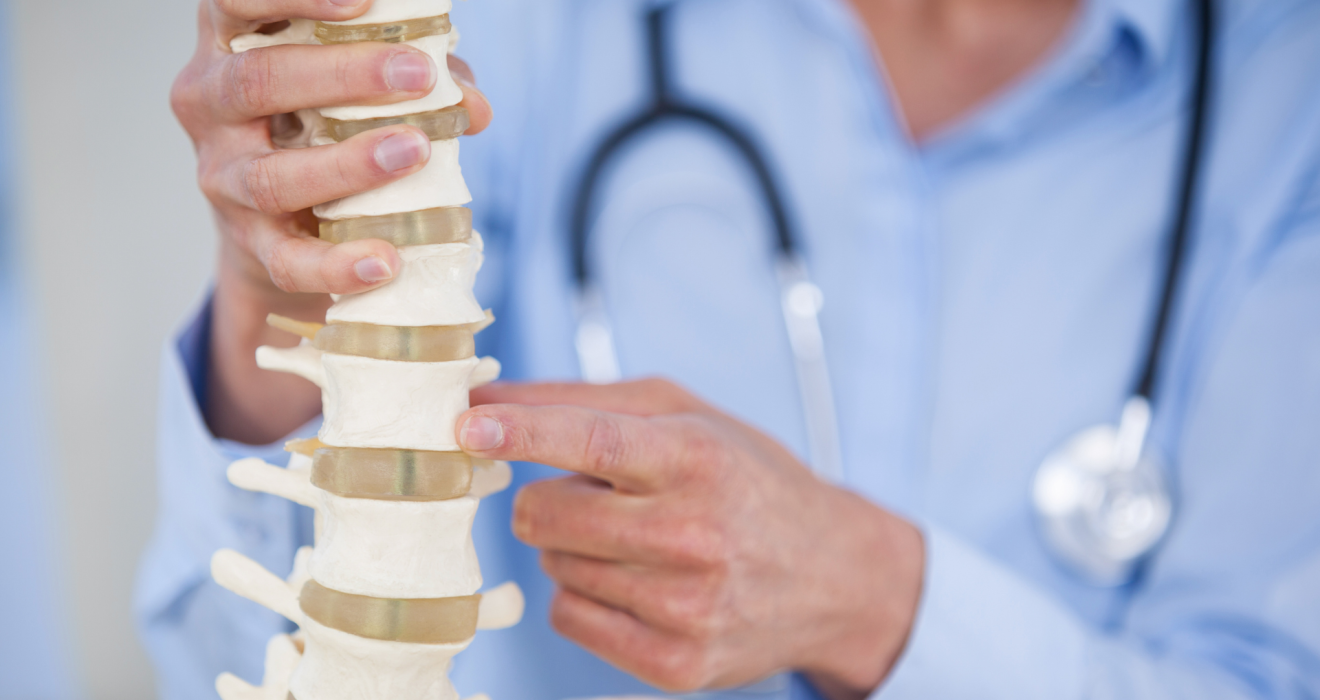
Each disc has a tough outer ring and a gel-like center. Over the years, discs lose water content and height, and small tears can form in the outer ring. Because discs have a limited blood supply, they have little ability to repair themselves. These changes most often affect the lower back and the neck.
Why Changes on Imaging Do Not Always Mean Pain
Disc degeneration is very common on MRI, especially after age 40, and many people with significant changes feel fine. What matters is whether the changes are causing symptoms, such as pressure on a nerve, and how those symptoms affect daily life.
How Common Back Pain Is
Back pain is one of the most common reasons adults seek care. According to the Centers for Disease Control and Prevention, 28.0% of men and 31.6% of women in the United States reported lower back pain in the previous three months in 2018. Disc degeneration is one of many possible contributors, which is why a careful evaluation matters.
Common Symptoms and When to Seek an Evaluation
Symptoms Patients Commonly Describe
Disc-related symptoms vary widely. They can include:
- Ongoing neck or lower back pain that may flare with certain movements or prolonged sitting
- Stiffness or reduced range of motion
- Pain, numbness, or tingling that travels into the shoulder, arm, buttock, or leg
- Weakness in the arm, hand, or leg
When to Seek an Evaluation
If symptoms persist for several weeks, keep returning, or include numbness or weakness, it is reasonable to have them evaluated. Seek urgent care for sudden severe weakness, loss of bowel or bladder control, or numbness in the groin area. Symptoms can come from many sources, so the right step is to see a qualified specialist for an evaluation rather than assume a cause.
Degenerative Disc Disease Treatment in Lewisville TX and Plano TX: Non-Surgical Options First
Most patients start with conservative care, and many improve enough that surgery is never needed.
Physical Therapy
A physical therapist can focus on core strength, posture, flexibility, and safe movement patterns. Consistency over several weeks is often important.
Medications
A physician may recommend anti-inflammatory medication or other options to manage flare-ups. Medication is usually one part of a broader plan.
Injections
Epidural steroid injections deliver anti-inflammatory medication near an irritated nerve and may provide relief for weeks or months for some patients.
Lifestyle and Activity Changes
Staying active within comfortable limits, maintaining a healthy weight, avoiding tobacco, and adjusting workstation posture may help reduce strain on the spine. The MedlinePlus back pain resource from the National Library of Medicine offers additional general information.
When Surgery May Be Discussed
Surgery is generally discussed when symptoms persist after a fair trial of conservative care, when nerve symptoms are significant, or when daily function is limited. The type of surgery depends on what the imaging shows.
Artificial Disc Replacement
Artificial disc replacement removes the damaged disc and places an implant designed to allow controlled motion. It may be considered for degeneration at one or two levels in patients with good bone quality and healthy facet joints. This is one form of motion-preserving spine surgery, a topic many people research when looking at motion-preserving spine surgery Plano TX options.
Spinal Fusion
Fusion removes the disc and joins two vertebrae into one solid segment. It may be preferred when there is instability, advanced arthritis, or deformity. Understanding artificial disc replacement vs fusion helps patients ask focused questions during an evaluation. Some patients may also be evaluated for minimally invasive lumbar fusion.
Decompression Procedures
When the main problem is pressure on a nerve, a decompression procedure that removes the source of that pressure may be considered, sometimes through smaller incisions.
Artificial Disc Replacement Lewisville TX: Risks to Understand
General Risks of Disc Replacement
Every surgical option carries risk. General risks of disc replacement can include infection, bleeding, nerve irritation, temporary hoarseness or difficulty swallowing after neck procedures, implant wear, movement or settling, bone forming around the implant that can limit its motion, and the possibility that further treatment is needed later.
Weighing Risks Against Other Options
Fusion carries its own considerations, including the chance that bone does not heal as planned. Your surgeon should review these risks in relation to your health and imaging so you can weigh them against non-surgical options.
Minimally Invasive Neurosurgery of Texas: Degenerative Disc Care
Dr. Scott C. Kutz, MD is a neurosurgeon and spine surgeon, board-certified by the American Board of Neurological Surgery (ABNS), with more than 25 years of experience and more than 6,000 patients treated. He is the founder and head neurosurgeon of Minimally Invasive Neurosurgery of Texas, a private practice in Lewisville, TX and Plano, TX dedicated exclusively to minimally invasive and motion-preserving surgical techniques for spinal conditions. He has been a Fellow of the American Association of Neurological Surgeons (AANS) since 2011 and the American College of Surgeons (ACS) since 2010.
Dr. Kutz specializes in endoscopic spine surgery, artificial disc replacement, sacroiliac joint fusion, and complex revision spine surgery. His approach prioritizes the least invasive appropriate option first, using advanced surgical techniques designed to minimize tissue disruption, with the goal of long-term symptom improvement for patients across the Dallas-Fort Worth area and beyond. For many patients with degenerative disc changes, the least invasive appropriate option is continued conservative care. For others, it may mean discussing whether a motion-preserving procedure or another surgical option may fit.
To review your options with Dr. Scott Kutz, MD, contact Minimally Invasive Neurosurgery of Texas.
Take the Next Step With a Clearer Plan
Degenerative disc changes are common, and the right plan depends on how they affect you. Whether you are just starting to explore degenerative disc disease treatment Lewisville TX options or researching artificial disc replacement Lewisville TX after months of conservative care, an evaluation can clarify where you stand.
Patients from Lewisville, Plano, Flower Mound, Carrollton, and across the Dallas-Fort Worth area can learn more about artificial disc replacement at Minimally Invasive Neurosurgery of Texas before their visit.
If disc-related symptoms are affecting your daily life, contact Minimally Invasive Neurosurgery of Texas to discuss an evaluation.
Frequently Asked Questions
What is degenerative disc disease?
Degenerative disc disease is a term for age-related changes in spinal discs, such as loss of water content, height, and flexibility. It is not a disease in the usual sense, and many people with these changes have no symptoms. When changes do cause pain or nerve pressure, a range of treatment options may help.
Can degenerative disc disease be treated without surgery?
Many patients manage symptoms without surgery. Common options include physical therapy, anti-inflammatory or other medications, epidural steroid injections, staying active, and maintaining a healthy weight. Surgery is usually discussed only when symptoms persist after a fair trial of these treatments or when nerve symptoms such as weakness are significant.
Does degenerative disc disease always get worse?
Disc changes may progress over time, but symptoms do not always worsen. Many people find that pain improves or settles into a manageable pattern with conservative care. Because every case is different, a specialist can review your imaging and symptoms to help you understand what to watch for and when to revisit treatment.
When should I see a specialist for disc pain?
Consider an evaluation if pain lasts several weeks, keeps returning, or comes with numbness, tingling, or weakness in the arms or legs. Seek urgent care for sudden severe weakness or loss of bowel or bladder control. A qualified spine specialist can determine what is causing your symptoms and discuss options.
Is artificial disc replacement used for degenerative disc disease?
It can be, for selected patients. Disc replacement may be considered when degeneration involves one or two levels, conservative care has not helped enough, bone quality is good, and the facet joints are healthy. Patients with instability, osteoporosis, or multi-level disease may be better served by another approach after an evaluation.
What are the risks of surgery for degenerative disc disease?
Risks depend on the procedure. General risks include infection, bleeding, nerve irritation, and the possibility of further treatment. Disc replacement adds implant considerations such as wear, settling, or bone forming around it, while fusion carries the chance that bone does not heal as planned. Your surgeon should review the risks that apply to you.
Medical Disclaimer: This article is for educational purposes only and is not medical advice. Individual results vary. Please consult a qualified physician about your specific condition. To discuss your options with Dr. Scott Kutz, MD, contact Minimally Invasive Neurosurgery of Texas.