Minimally Invasive Neurosurgery of Texas (MINT) is a specialized surgical practice led by Dr. Scott Kutz, a board-certified neurosurgeon, Fellow of the American Association of Neurological Surgeons, and Fellow of the American College of Surgeons. From our clinics in Lewisville and Plano, Texas, we provide advanced spinal care and motion-preserving technologies designed to restore patient mobility and quality of life.
Did you know that nearly 14 million people in the United States currently live with the debilitating effects of spinal wear and tear? If you’re one of them, you likely feel that every morning is a battle against stiffness or sciatica, which is chronic pain that radiates from the lower back down the legs. It’s exhausting to live with the constant fear that traditional open back surgery is your only path to relief. Dr. Scott Kutz understands that you want to resolve your discomfort without the risks of a long, invasive hospital stay.
This guide explores the most effective degenerative disc disease treatment options available in 2026, focusing on precision-driven techniques that prioritize your long-term flexibility. You’ll learn how advanced minimally invasive neurosurgery and motion-preserving procedures can eliminate your pain while ensuring a rapid return to your career and hobbies. We’ll break down complex medical terminology to show you exactly how modern technology makes a full recovery possible.
Key Takeaways
- Understand how modern degenerative disc disease treatment options prioritize motion preservation to help you return to normal activity.
- Learn why minimally invasive spine surgery offers a faster recovery and less muscle disruption than traditional open back procedures.
- Discover how artificial disc replacement serves as a high-tech alternative to spinal fusion by maintaining your natural spinal flexibility.
- Identify the essential diagnostic tools that Dr. Scott Kutz uses to create a personalized surgical plan in Lewisville and Plano.
- Explore how precision-driven techniques allow patients across North Texas to resolve chronic sciatica and regain their independence.
What is Degenerative Disc Disease Treatment at MINT?
Minimally Invasive Neurosurgery of Texas (MINT) provides specialized care for individuals struggling with chronic spinal wear. Under the leadership of Dr. Scott Kutz, our practice focuses on precision-driven outcomes that help patients return to their normal activities. With clinics located in Lewisville and Plano, Texas, we serve the broader North Texas region, including Dallas, Fort Worth, and Flower Mound. Our approach prioritizes reducing pain and restoring mobility through techniques that minimize tissue disruption and preserve your natural anatomy.
Defining Degenerative Disc Disease in Plain English
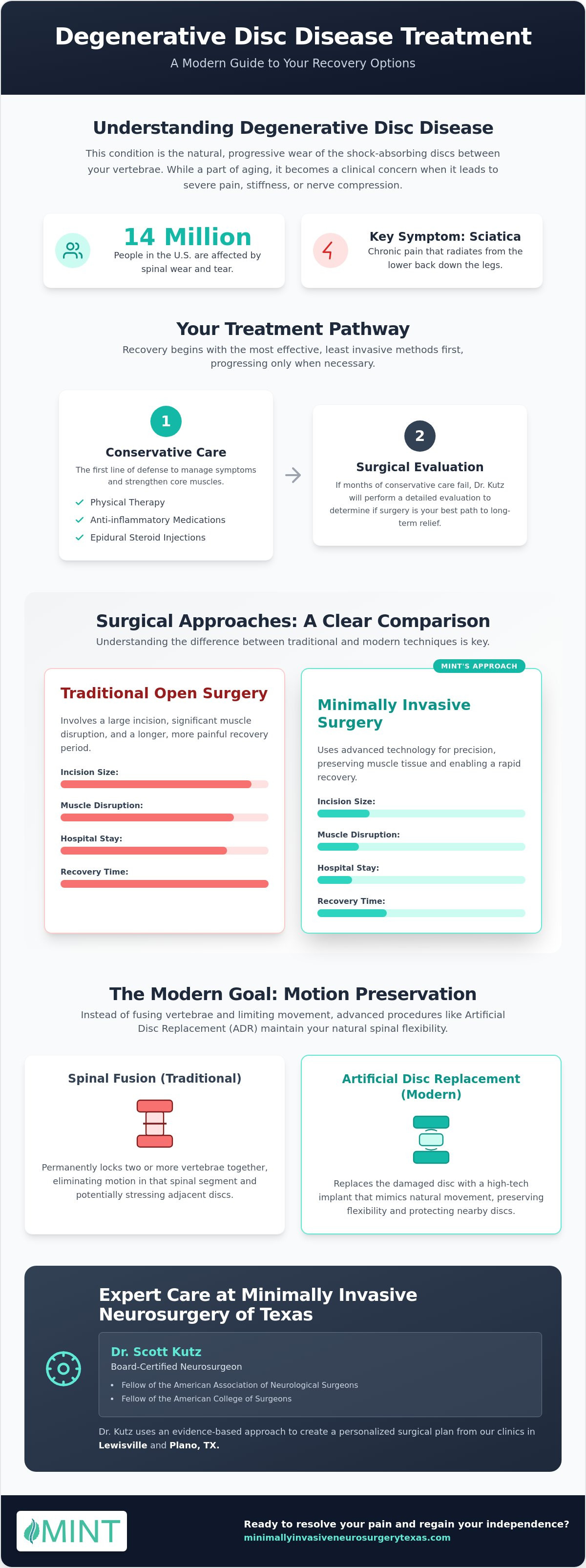
Degenerative disc disease involves the progressive wear of the shock-absorbing discs that sit between your vertebrae. While the name sounds alarming, it is actually a natural part of the aging process for many adults. In fact, research indicates there were nearly 14 million diagnosed prevalent cases of this condition in the United States in 2025. It only becomes a clinical concern when this wear leads to nerve compression, chronic instability, or severe inflammation. At MINT, we evaluate your specific symptoms to determine which degenerative disc disease treatment options will best resolve your discomfort and restore your spinal function.
The Role of Dr. Scott Kutz in Your Care
Choosing the right specialist is the most important step in your recovery journey. Dr. Scott Kutz is a board-certified neurosurgeon and a Fellow of the American Association of Neurological Surgeons. He also holds a fellowship with the American College of Surgeons, which reflects his commitment to the highest standards of surgical excellence. Dr. Kutz utilizes an evidence-based approach to spine care, ensuring that every recommendation is backed by clinical data and tailored to your lifestyle goals. You can learn more about his background and our patient-centered philosophy on our about us page.
A neurosurgeon is uniquely qualified to manage spinal disc issues because these conditions often involve delicate nerve pathways. Dr. Kutz focuses on identifying the exact source of your pain, whether it’s a herniated disc or a narrowed spinal canal. His expertise in both the skeletal structure of the spine and the complex nervous system allows him to perform surgeries with extreme precision. This specialization is vital for patients exploring degenerative disc disease treatment options to avoid the risks associated with traditional open back surgery while achieving long-term relief. By prioritizing your health and using the latest surgical methodologies, Dr. Kutz helps move you from a state of concern to a state of informed confidence.
Conservative and Traditional Surgical Approaches
Most patients begin their journey toward recovery with non-invasive methods. Dr. Scott Kutz, a board-certified neurosurgeon, Fellow of the American Association of Neurological Surgeons, and Fellow of the American College of Surgeons, often recommends starting with conservative strategies before exploring surgical degenerative disc disease treatment options. These initial steps aim to reduce inflammation and stabilize the spine through non-operative means. While these methods don’t reverse the aging of the disc, they often provide enough relief for patients to return to their daily routines in Lewisville and Plano.
Non-Surgical Management Strategies
Physical therapy serves as a cornerstone of conservative care. While MINT refers patients to trusted local specialists for these services, Dr. Kutz oversees the clinical progress to ensure the exercises effectively strengthen the core muscles supporting the spinal column. Patients also frequently utilize anti-inflammatory medications or epidural steroid injections to manage acute flare-ups. According to Degenerative Disc Disease Treatment guidelines, these methods successfully address symptoms for many individuals. However, these strategies manage the pain rather than fixing the underlying structural damage within the disc tissue.
If months of conservative care fail to restore your quality of life, surgical intervention may be necessary. Historically, surgeons performed traditional open back surgery to address severe disc wear. This method requires a large incision, often three to five inches long, to allow the surgeon a direct view of the spine. To reach the affected disc, the surgeon must retract or cut through significant muscle tissue. This physical trauma typically leads to increased post-operative pain and longer hospital stays compared to modern alternatives.
The Limitations of Traditional Open Fusion
Spinal fusion is a common traditional procedure that joins two or more vertebrae together using bone grafts and metal hardware. By immobilizing the painful segment, fusion provides stability and stops the painful micro-motions of a failing disc. However, this stabilization comes at a cost. Fusion permanently eliminates motion at the treated level, which often results in a noticeable loss of flexibility. This lack of movement places extra stress on the discs above and below the fused site.
Dr. Scott Kutz notes that this phenomenon, known as adjacent segment disease, causes neighboring levels of the spine to wear out faster than they would naturally. While fusion remains a reliable option for specific cases involving spinal instability, modern neurosurgery offers alternatives that preserve your natural range of motion. If you’ve exhausted conservative care without success, you can schedule a consultation at our Lewisville or Plano office to discuss more modern alternatives that protect your long-term spinal health.
Minimally Invasive and Motion-Preserving Treatment Options
Traditional open surgery often involves extensive muscle cutting and long recovery periods. In contrast, Dr. Scott Kutz uses minimally invasive spine surgery to access the vertebral column through much smaller incisions. This technique involves using specialized instruments and tubular retractors to create a precise path to the disc without stripping muscles from the bone. By protecting the surrounding soft tissue, we significantly reduce blood loss and post-operative discomfort. Patients in Lewisville and Plano typically experience a much faster recovery timeline compared to traditional methods, often returning home the same day or shortly after.
The Advantages of Artificial Disc Replacement
One of the most innovative degenerative disc disease treatment options is artificial disc replacement (ADR). Unlike spinal fusion, which locks vertebrae together, ADR replaces the damaged disc with a high-tech prosthetic that mimics natural anatomy. This device allows the spine to bend, twist, and rotate as it did before the disease progressed. By maintaining this natural movement, ADR reduces the excessive mechanical stress placed on neighboring discs, which helps prevent adjacent segment disease. Dr. Scott Kutz carefully evaluates each patient’s spinal alignment and bone density to determine if they are a candidate for this motion-preserving technology.
Precision Through Endoscopic Spine Surgery
For patients requiring even more focused intervention, endoscopic spine surgery offers an ultra-minimally invasive solution. Dr. Kutz performs this procedure through a tiny tube about the size of a pencil. This tube contains a high-definition camera that provides a clear view of the spinal nerves and disc tissue. This technique is particularly effective for treating disc herniations that develop alongside degenerative changes. Because the incision is so small, scarring is minimal, and many patients in Southlake and McKinney can have these procedures performed on an outpatient basis. This approach significantly reduces the physical impact on the body while achieving excellent clinical outcomes.
According to the Cleveland Clinic, exploring various degenerative disk disease treatment options is essential for finding a long-term solution that matches your activity level. While older standards focused primarily on immobilization, our modern approach at MINT prioritizes your ability to stay active. Dr. Scott Kutz, a board-certified neurosurgeon, Fellow of the American Association of Neurological Surgeons, and Fellow of the American College of Surgeons, utilizes these cutting-edge methodologies to move patients from a state of chronic pain to a life of restored mobility. These precision-driven procedures represent the absolute forefront of modern surgical innovation, ensuring you don’t have to sacrifice flexibility for relief.
Choosing the Right Treatment in Lewisville and Plano
Selecting the right path toward recovery requires a precise diagnosis. Dr. Scott Kutz uses advanced imaging, such as MRI and CT scans, to map the exact level of disc wear and identify nerve impingement. This data allows him to tailor degenerative disc disease treatment options to your unique anatomy and lifestyle goals. Whether you’re an active professional in Plano or a resident in Lewisville, your activity level and long-term health goals dictate which surgical or non-surgical approach is most appropriate. A clear understanding of your diagnosis builds the confidence you need to move forward with a treatment plan that restores your quality of life.
Beyond spinal health, many patients find that a holistic approach to wellness is beneficial; for instance, you can discover Testosterone.Doctor to learn how hormonal optimization can further support your physical performance and recovery.
When to Consider Surgery for Degenerative Discs
Most patients manage their symptoms for years using non-operative methods. However, specific red flags indicate that conservative care is no longer sufficient to protect your spinal health. If you experience progressive muscle weakness, persistent numbness in the extremities, or chronic pain that prevents you from performing daily tasks, it’s time for a surgical consultation. Dr. Scott Kutz, a board-certified neurosurgeon, Fellow of the American Association of Neurological Surgeons, and Fellow of the American College of Surgeons, notes that failed conservative therapy is a standard trigger for intervention. Early use of minimally invasive techniques can often decompress nerves before permanent damage occurs, ensuring a better long-term outcome.
Recovery Timelines: What to Expect
Patients often worry about the downtime associated with back surgery. One of the primary benefits of the specialized methods used at MINT is the significantly reduced recovery period compared to traditional open procedures. While traditional surgery often requires months of restricted activity and intense pain management, patients undergoing minimally invasive procedures typically return to light activity within 2 to 4 weeks. Many of our patients in Flower Mound and Dallas return home the same day or after a single overnight stay. Following post-operative protocols is essential for long-term success. Dr. Kutz and his team provide detailed instructions to ensure your spine heals correctly while you regain your mobility. You can learn more about our commitment to excellence on our homepage.
To start your journey toward a pain-free life and discuss your specific needs, you can request an appointment at our Lewisville or Plano office.
Advanced Technology and Expert Care with Dr. Scott Kutz
Dr. Scott Kutz, a board-certified neurosurgeon, Fellow of the American Association of Neurological Surgeons, and Fellow of the American College of Surgeons, brings more than 20 years of specialized experience to every patient encounter. At MINT, our philosophy centers on providing medically grounded guidance through clear, patient-first communication. We understand that choosing between various degenerative disc disease treatment options is a significant decision. Dr. Kutz ensures you have the data and confidence necessary to make the best choice for your long-term spinal health. Our practice serves a wide geographic area across North Texas, providing high-level care to residents in Dallas, Fort Worth, and Flower Mound. By operating as a boutique surgical center, we offer a level of personal attention that large hospital systems often lack—much like how specialized practices such as Fun Valley Kids Dental Group provide tailored care for specific age groups and dental needs.
Surgical Innovation: Globus Excelsius and Augmedics
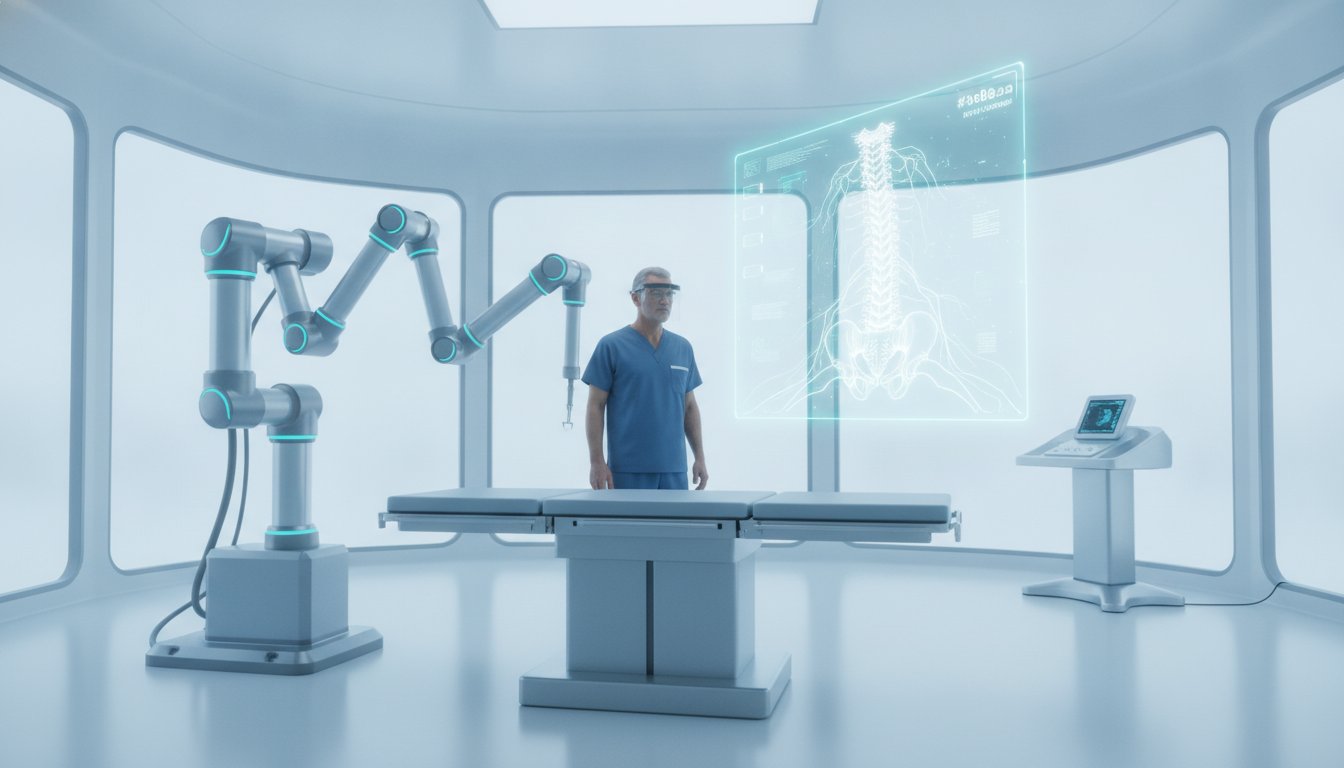
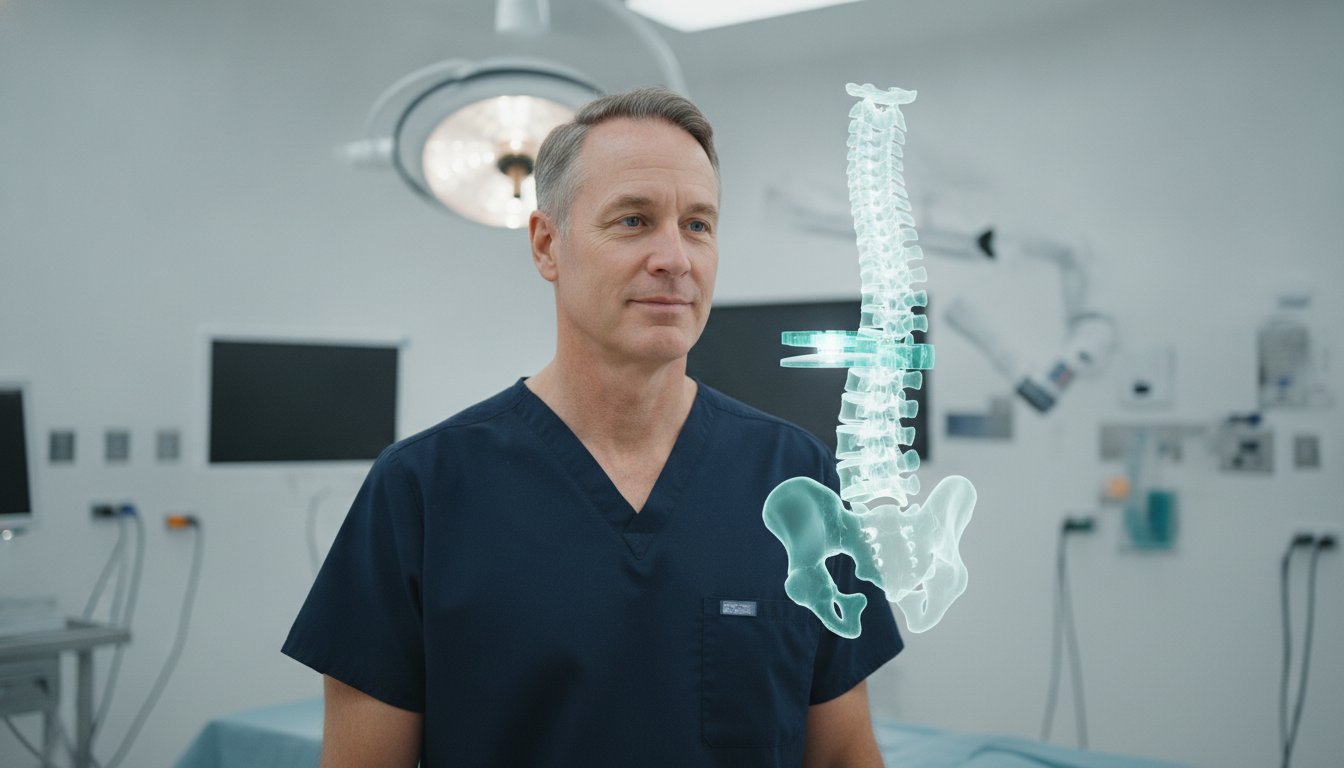
Precision is the hallmark of modern neurosurgery. Dr. Kutz utilizes the Globus Excelsius robotic navigation system to enhance the accuracy of implant placement during spinal procedures. This technology provides real-time feedback and ensures that each component aligns perfectly with your unique anatomy. Additionally, we employ Augmedics augmented reality technology. This system gives Dr. Kutz a form of x-ray vision by overlaying 3D spinal data directly onto his field of view during surgery. These tools allow us to perform complex procedures with unparalleled safety and precision, reinforcing our role as a high-tech healer in the North Texas community.
Your Next Steps Toward Relief
Recovery is not just a clinical goal; it is a return to the life you love. We encourage you to review testimonials from other patients who have successfully regained their mobility through our specialized care. Their stories reflect the relief of suffering and the optimism that modern surgical innovation provides. If you are ready to move beyond chronic pain, scheduling a consultation is the next step in your journey. We offer personalized appointments at our Lewisville and Plano offices. During your visit, Dr. Kutz will perform a comprehensive evaluation to determine which advanced methodologies best suit your needs. Living a pain-free life is possible through the right combination of expert care and cutting-edge technology. Contact us today to begin your path toward a full return to normal activity.
Take the Next Step Toward Lasting Back Pain Relief
You don’t have to accept chronic back pain as an inevitable part of aging. Modern neurosurgery has moved beyond the limitations of traditional spinal fusion to offer motion-preserving solutions that protect your natural flexibility. By choosing precision-driven degenerative disc disease treatment options, you can address the root cause of your sciatica while ensuring a much faster recovery. Dr. Scott Kutz, a board-certified neurosurgeon and Fellow of the American Association of Neurological Surgeons, brings over 20 years of specialized experience to our Lewisville and Plano clinics.
We utilize advanced robotic and augmented reality technologies to ensure the highest levels of surgical accuracy for every patient. This commitment to innovation allows us to provide a clear path toward the relief of suffering and a higher quality of life. Schedule your consultation with Dr. Scott Kutz today to discuss how our personalized care can help you achieve a full return to normal activity. Your journey to a more mobile, pain-free future starts with an expert evaluation at MINT.
Frequently Asked Questions
Is surgery always necessary for degenerative disc disease?
Surgery is not the first step for most patients. Dr. Scott Kutz typically recommends a trial of conservative care, such as anti-inflammatory medications and specialized exercises, before discussing surgical degenerative disc disease treatment options. Surgery only becomes necessary when non-operative methods fail to resolve chronic pain or when neurological deficits, such as muscle weakness, appear. Most individuals manage their symptoms effectively without ever needing an operating room.
What is the difference between a bulging disc and degenerative disc disease?
Degenerative disc disease refers to the long-term wear and dehydration of the spinal discs, while a bulging disc is a specific structural result of that wear. Think of DDD as the overall condition of the disc’s health. A bulging disc happens when the disc’s outer wall weakens and extends into the spinal canal. Both conditions can cause significant nerve pressure, but they require a precise diagnosis from a specialist to treat effectively.
How long is the recovery after an artificial disc replacement?
Most patients return to light activity within 2 to 4 weeks following an artificial disc replacement. Because this motion-preserving procedure does not require bone to fuse together, the initial recovery is significantly faster than traditional fusion. Dr. Scott Kutz monitors your progress at our Lewisville or Plano offices to ensure your prosthetic disc is functioning correctly. Most patients return to their desk jobs and daily hobbies shortly after the first month of healing.
Can degenerative disc disease be reversed without surgery?
No, you cannot naturally reverse the structural breakdown of a spinal disc, but you can successfully manage the symptoms. While the disc tissue does not regenerate on its own, lifestyle modifications and core strengthening can reduce the mechanical load on the affected area. If these non-surgical efforts do not provide enough relief, Dr. Scott Kutz offers advanced surgical interventions to physically address the damaged structure and decompress the nerves.
Does insurance typically cover minimally invasive spine surgery?
Most major insurance providers cover minimally invasive spine surgery when it is medically necessary. Because these techniques often lead to shorter hospital stays and fewer complications, many carriers recognize them as a standard of care. Our team at MINT works closely with patients in Dallas and Fort Worth to verify their specific benefits. You should always check your individual policy details during your initial consultation with Dr. Scott Kutz.
Will I need physical therapy after my procedure with Dr. Kutz?
Yes, physical therapy is a critical component of the post-operative protocol at MINT. While Dr. Scott Kutz performs the surgery with precision, PT helps you regain the strength and flexibility needed for a full return to normal activity. We refer our patients to trusted local therapists in Lewisville and Plano who specialize in spinal rehabilitation. This collaborative approach ensures that your muscles support your spine correctly as you heal.
What are the risks of leaving degenerative disc disease untreated?
Leaving severe disc degeneration untreated can lead to permanent nerve damage and chronic disability. When a disc loses its height, it can cause the spinal canal to narrow, which is a condition called spinal stenosis. This often results in progressive weakness, loss of balance, or persistent numbness in the legs. Dr. Scott Kutz emphasizes that early intervention can often prevent these long-term neurological complications and preserve your independence.
How do I know if I am a candidate for motion-preserving surgery?
You may be a candidate for motion-preserving surgery if you have good bone quality and your disc wear is limited to one or two levels. Dr. Scott Kutz, a board-certified neurosurgeon, Fellow of the American Association of Neurological Surgeons, and Fellow of the American College of Surgeons, performs a detailed evaluation to determine if artificial disc replacement is right for you. You can learn more about our criteria on the MINT homepage.