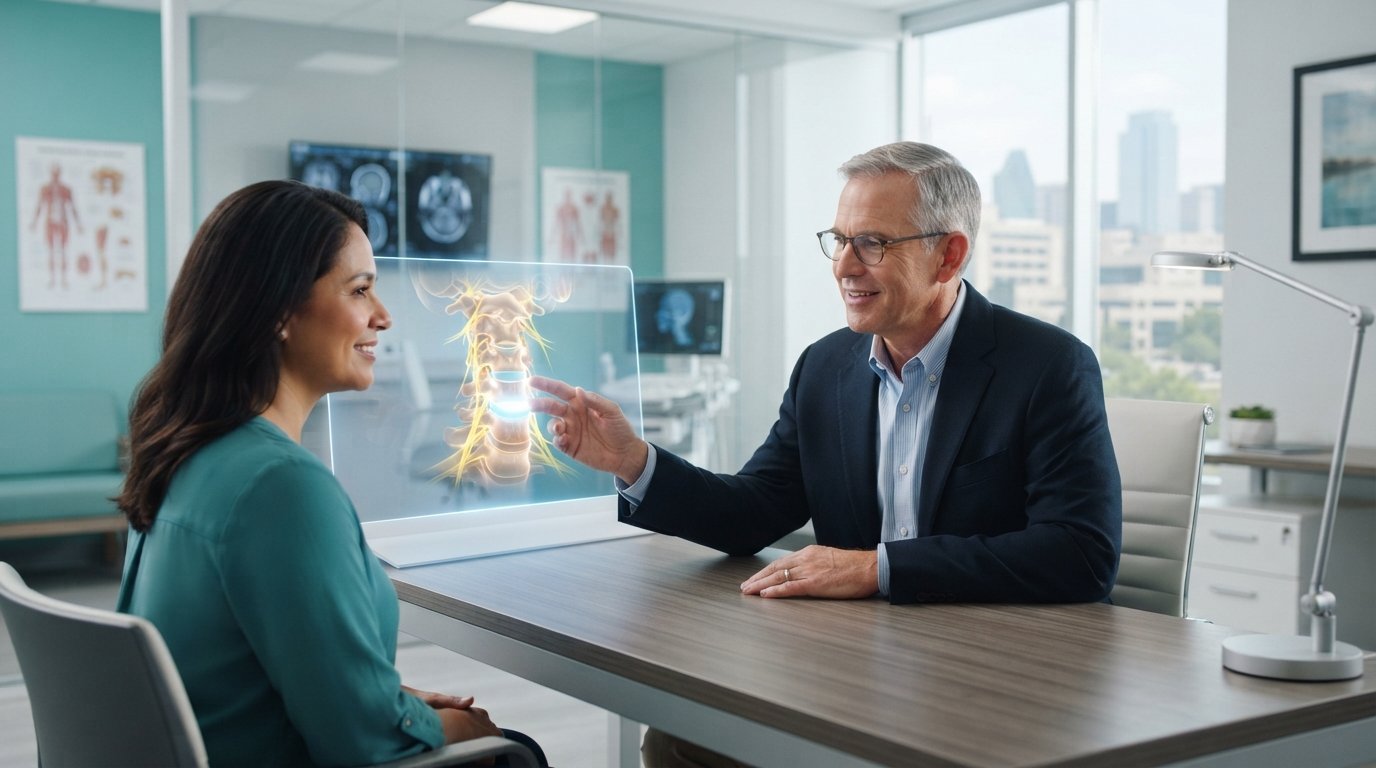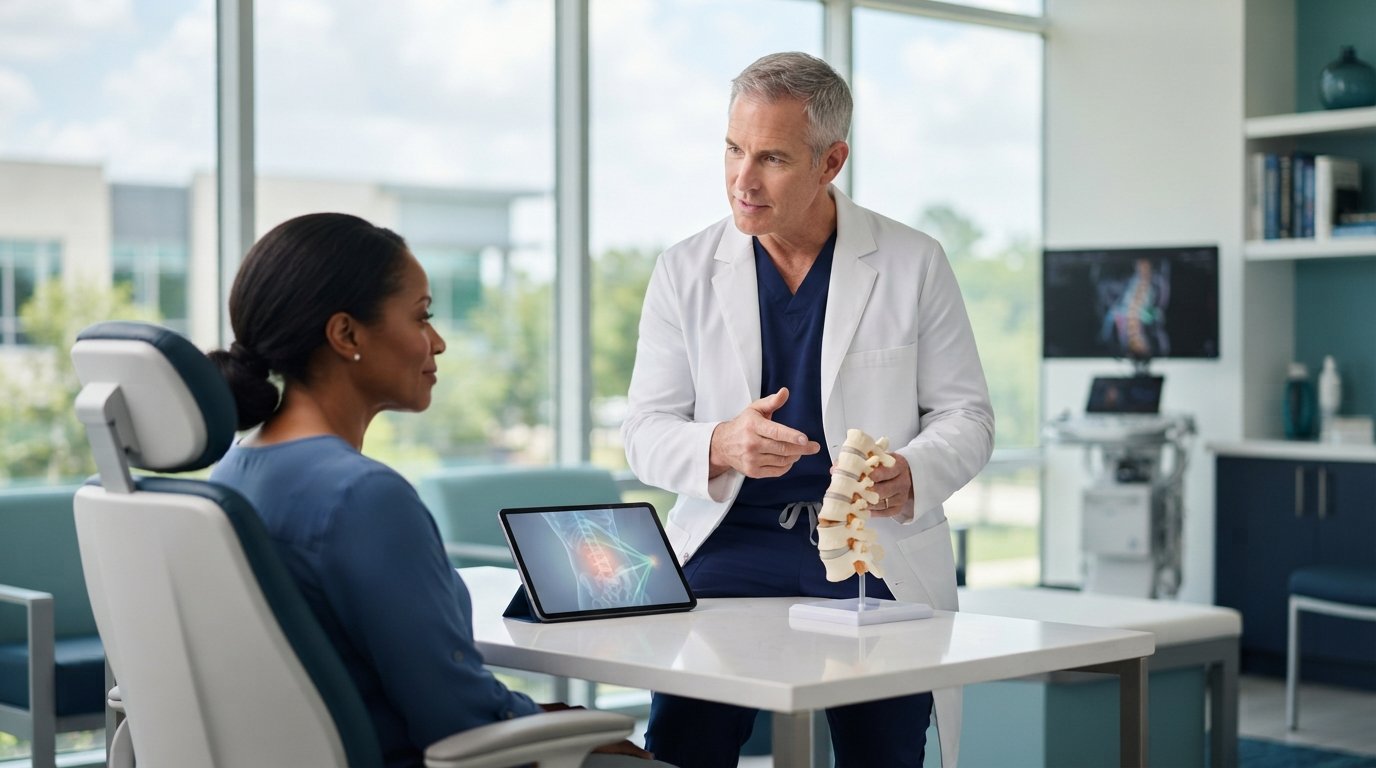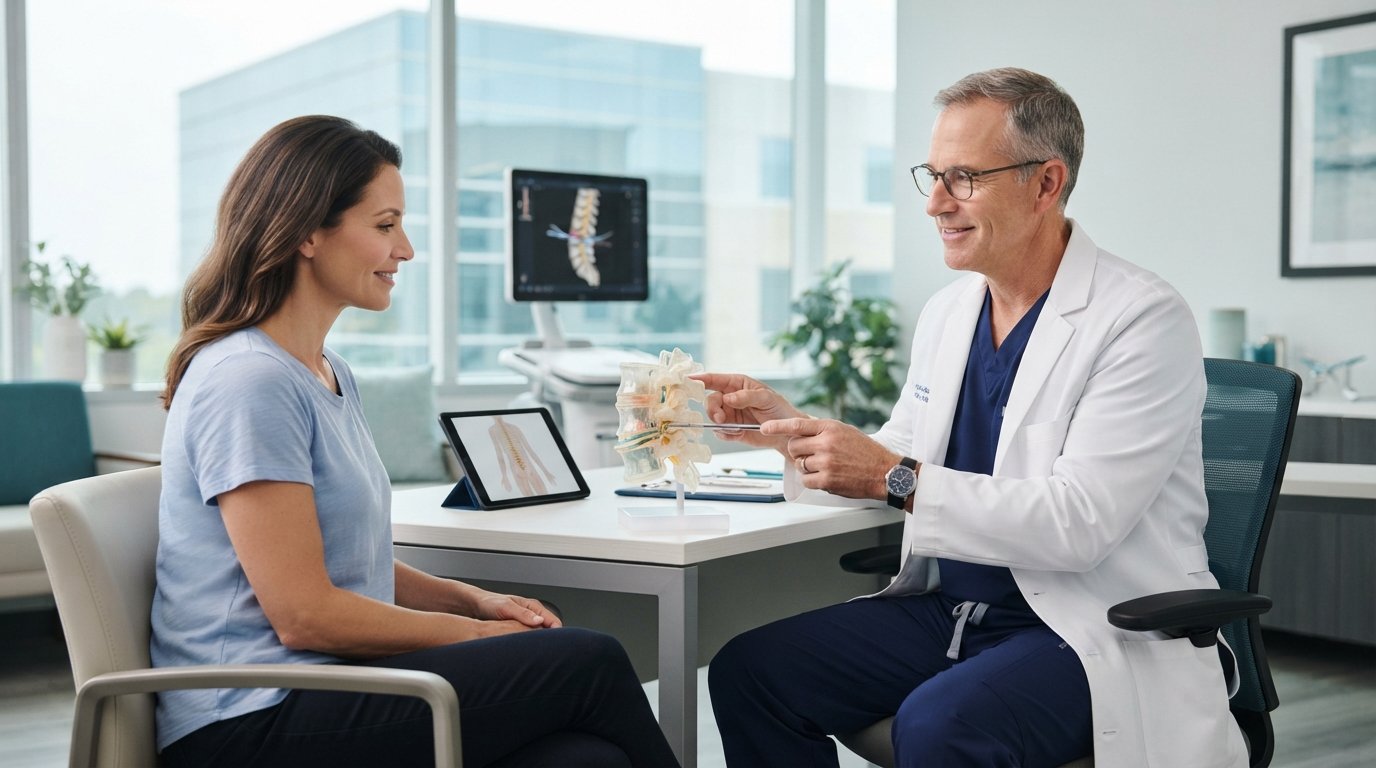
Minimally Invasive Neurosurgery of Texas (MINT), led by Dr. Scott C. Kutz, MD, provides expert neurosurgical care at its headquarters in Lewisville and its satellite office in Plano, TX. Dr. Kutz is a board-certified neurosurgeon and Fellow of the AANS and ACS with over 20 years of experience. His practice specializes in advanced spinal decompression surgery to treat conditions such as herniated discs and spinal stenosis, which is the narrowing of the spaces within your spine.
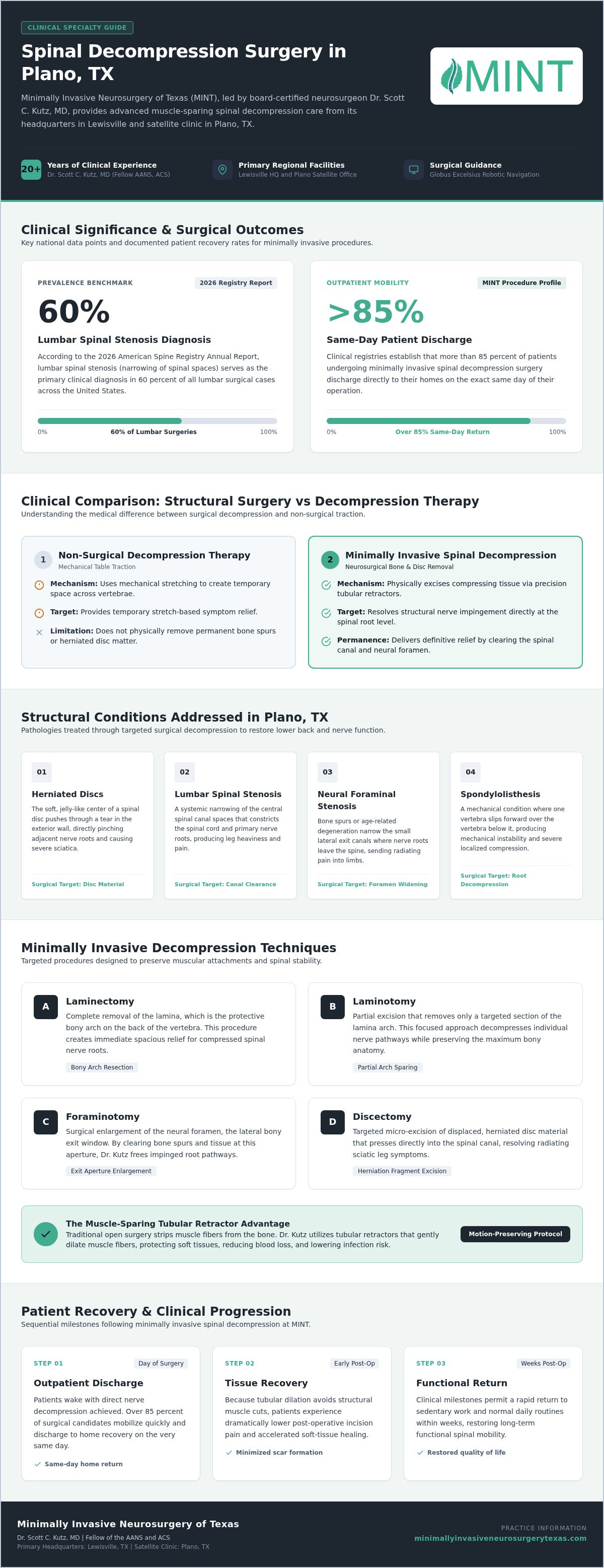
Did you know that lumbar spinal stenosis is the primary diagnosis for 60 percent of lumbar surgical cases in the United States? If you suffer from sciatica, which is radiating nerve pain that travels down the leg, you understand how debilitating chronic pressure on your nerves can be. You’ve likely tried conservative treatments without success and now fear the long recovery times associated with traditional back surgery. We promise to show you how spinal decompression surgery Plano TX at MINT offers a path to permanent relief through small incisions and muscle-sparing techniques. This article previews the advanced surgical options Dr. Kutz uses to help you return to normal activities with minimal scarring and a faster return home.
Key Takeaways
- Understand how minimally invasive techniques use small incisions to preserve muscle tissue and significantly reduce post-operative pain.
- Learn why spinal decompression surgery Plano TX at MINT allows more than 85 percent of patients to return home on the same day as their procedure.
- Identify the specific clinical signs that indicate you are a candidate for surgery after conservative treatments fail to resolve chronic nerve pain.
- Discover how Dr. Scott Kutz uses advanced technology like Globus Excelsius robotic navigation to ensure precision and improve surgical outcomes.
- Explore the typical recovery milestones that allow you to return to sedentary work and normal activities within weeks of your procedure.
Understanding Spinal Decompression Surgery in Plano TX
Minimally Invasive Neurosurgery of Texas (MINT) provides specialized care for patients throughout North Texas from our primary headquarters in Lewisville and our satellite office in Plano. Dr. Scott Kutz, a board-certified neurosurgeon and Fellow of the AANS, leads our practice with over 20 years of experience. He performs spinal decompression surgery Plano TX to help patients regain their mobility and quality of life. This surgical procedure physically removes pressure from the spinal cord or nerve roots to alleviate chronic pain and restore daily function.
Surgical Decompression vs Decompression Therapy
Many patients confuse neurosurgical intervention with decompression therapy that practitioners often provide in chiropractic offices. Decompression therapy typically refers to non-surgical traction, where a mechanical table stretches the spine to create space. While some people find temporary relief through stretching, this method does not fix permanent structural blockages. In contrast, spinal decompression surgery involves the direct removal of bone or disc material that pinches the nerves. This surgical approach provides a permanent solution for structural nerve impingement, which is the physical compression of a nerve by surrounding tissues. Dr. Kutz utilizes minimally invasive spine techniques to access the spine through tiny incisions, which protects the surrounding muscles and soft tissues.
Conditions Treated with Decompression in Plano
Dr. Kutz treats several complex conditions that cause chronic radiating pain or numbness. Herniated discs occur when the soft, jelly-like center of a spinal disc pushes through a tear in the tougher exterior. This protrusion often presses against nearby nerves and causes sharp, shooting pain. We also address neural foraminal stenosis, which is a narrowing of the small openings where nerves exit the spinal canal. When these openings shrink due to bone spurs or aging, they pinch the nerve roots and cause discomfort that travels down the legs or arms.
Our practice frequently manages spondylolisthesis as well. This is a condition where one vertebra slips forward over the bone below it. Such slippage can cause instability and severe nerve compression. According to the 2026 American Spine Registry Annual Report, lumbar spinal stenosis, which is the narrowing of the spaces within your spine, remains the primary diagnosis in 60 percent of lumbar surgical cases. We focus on precise surgical solutions that resolve these issues at their source. By removing the physical obstruction, we help you return to normal activities with confidence and informed confidence.
Common Minimally Invasive Decompression Techniques
Minimally Invasive Neurosurgery of Texas (MINT) focuses on precision and patient safety. Dr. Scott Kutz utilizes advanced minimally invasive spine surgery to treat chronic conditions that limit your mobility. This approach relies on small incisions and tubular retractors that allow the surgeon to work around muscles rather than cutting through them. By dilating the muscular fibers instead of stripping them from the bone, we significantly reduce post-operative pain and blood loss. Patients often discover that spinal decompression surgery Plano TX at our satellite clinic leads to a lower risk of infection and a faster return to daily life. We prioritize motion-preserving techniques to ensure your spine remains flexible and functional for the long term.
Laminotomy and Laminectomy Explained
Dr. Kutz frequently performs laminectomies and laminotomies to treat spinal stenosis, which is the narrowing of the spinal canal. A laminectomy involves the removal of the lamina, which is the protective bony arch at the back of the vertebra. This creates immediate space for the spinal cord and nerve roots. In many cases, we can perform a laminotomy instead. This procedure only removes a small portion of the lamina to relieve pressure on a specific nerve root. Both methods effectively decompress the spinal canal and alleviate the heavy, aching sensation in the legs. Clinical registries show that over 85 percent of these minimally invasive patients discharge on the same day as their procedure.
Foraminotomy and Discectomy
When pain originates from a specific exit point, a foraminotomy may be the best solution. This procedure widens the foramen, which is the narrow bony opening where nerves exit the spinal column. If a herniated disc causes the compression, Dr. Kutz performs a discectomy. This involves the physical removal of the damaged disc material that presses against the sensitive nerve. We often use endoscopic spine surgery for these cases to achieve maximum precision. This high-tech method uses a tiny camera and high-definition endoscope to visualize the surgical site with extreme clarity. These specialized tools allow for smaller incisions and minimal scarring while protecting the structural integrity of your spine.
If you want to explore which technique fits your specific diagnosis, you can schedule a consultation with our team in Plano or Lewisville. We focus on providing a clear path to recovery so you can return to normal activities without the burden of chronic pain.
Benefits of Choosing Minimally Invasive Surgery in North Texas
Residents in Plano and Lewisville who choose Minimally Invasive Neurosurgery of Texas (MINT) experience a modern approach to spinal care. Dr. Scott Kutz performs spinal decompression surgery Plano TX using techniques that prioritize your quick return to daily life. Traditional open surgery often involves significant trauma to the body, but our minimally invasive methods change that dynamic. We perform most of these decompression procedures on an outpatient basis, which means you return home the same day without an overnight hospital stay. Smaller incisions naturally lead to several specific advantages for our patients:
- Minimal scarring from tiny entry points.
- Reduced blood loss during the procedure.
- Lower risk of infection compared to open surgery.
- Significantly less post-operative pain.
Reduced Tissue Disruption
We focus on a muscle-sparing approach, which is a technique that preserves healthy tissue by separating rather than cutting it. During a traditional open procedure, a surgeon must strip the muscle away from the bone to see the spine. This process causes significant tissue damage and often results in long-term back stiffness or weakness. Dr. Kutz avoids this by using tubular retractors to dilate the muscles. Dilation involves gently pushing the muscle fibers aside without tearing them. This preservation of the soft tissue ensures that your back maintains its natural strength and stability after the procedure. By minimizing the physical impact on your body, we reduce the risk of complications and protect your natural range of motion.
Faster Path to Recovery
Minimally invasive surgical spinal decompression offers an accelerated timeline for healing. Many of our patients walk the same day they receive treatment at our Plano or Lewisville locations. Because we do not cut through the primary muscle groups, the body heals much faster than it would after a large-incision surgery. Most patients return to sedentary desk work within 2 to 4 weeks and reach full soft-tissue recovery, which is the healing of muscles and ligaments, by the 6-week mark. You can read our testimonials to see how other North Texas residents regained their mobility. This rapid progress allows you to return to normal activities and enjoy a higher quality of life without the burden of chronic nerve pain. We provide the expert care necessary to move you from a state of concern to a state of informed confidence in your recovery.
Are You a Candidate for Spinal Decompression Surgery?
Dr. Scott Kutz follows a patient-first philosophy to ensure every individual receives the most appropriate care path for their specific condition. Our clinical team typically considers spinal decompression surgery Plano TX only after conservative treatments, such as physical therapy or medication, fail to provide relief for six to twelve weeks. Candidates for this procedure often suffer from sciatica. Sciatica is a condition where pressure on the sciatic nerve causes sharp pain, burning, or numbness that radiates from the lower back through the hips and down each leg.
Signs You Should Consult a Neurosurgeon
Chronic back pain is common, but certain neurological signs indicate a need for specialized surgical evaluation. You should consult Dr. Kutz if you experience progressive muscle weakness in your legs or feet, which can make simple movements like standing or climbing stairs difficult. Persistent numbness or tingling that interferes with your balance and walking also signals significant nerve compression. These symptoms suggest that the structural issues in your spine require more than just surface-level therapy.
One specific condition requires immediate attention. If you experience a sudden loss of bowel or bladder control, you may have cauda equina syndrome. This is a rare but severe compression of the nerve roots at the lower end of the spinal canal. This situation constitutes a medical emergency that requires immediate surgical intervention to prevent permanent damage. If you notice these red-flag symptoms, you must seek care at an emergency department immediately.
The Diagnostic Process at MINT
The journey to recovery begins with a comprehensive initial consultation at our Plano satellite office or our primary headquarters in Lewisville. Dr. Kutz reviews your medical history and physical symptoms with meticulous detail to identify the source of your suffering. We use advanced diagnostic tools, including Magnetic Resonance Imaging (MRI) and Computed Tomography (CT) scans, to confirm the exact location and severity of nerve compression. An MRI uses powerful magnets and radio waves to create detailed images of soft tissues like discs and nerves; a CT scan uses X-rays to provide clear views of the bony structures in your spine.
We encourage patients to bring any previous imaging results to their appointment. This allows Dr. Kutz to perform a comprehensive review and develop a personalized treatment plan. Our goal is to move you from a state of uncertainty to a state of informed confidence regarding your health and your return to normal activity. If you are ready to find a permanent solution for your chronic pain, you can request an appointment with Dr. Kutz today to begin your diagnostic evaluation.
Why Plano Residents Trust Dr. Scott Kutz and MINT
Dr. Scott Kutz, a board-certified neurosurgeon and Fellow of the AANS and ACS, brings over 20 years of clinical expertise to every patient encounter. Residents across the North Texas region, including Dallas, Frisco, and McKinney, choose Minimally Invasive Neurosurgery of Texas (MINT) for their complex spinal needs. We recognize that chronic pain affects every aspect of your life, which is why we develop personalized care plans tailored to your specific diagnostic findings. When you choose spinal decompression surgery Plano TX at our practice, you receive the specialized attention of a boutique surgical center rather than the coldness of a large hospital system.
Advanced Technology for Precision Surgery
We prioritize patient safety by integrating the latest proprietary technological systems into our surgical workflows. Dr. Kutz utilizes the Globus Excelsius robotic navigation system to achieve unparalleled accuracy during decompression procedures. This technology provides a rigid robotic platform and real-time imaging that guides the surgeon’s instruments with sub-millimeter precision. Additionally, we use Augmedics augmented reality (AR) to provide real-time spinal mapping. Augmented reality is a technology that overlays digital information, such as your internal anatomy, directly onto the surgeon’s field of view through specialized headsets. These high-tech hallmarks ensure that we operate at the absolute forefront of modern surgical innovation, which leads to better clinical outcomes and reduced physical impact on your body.
Local Care in Plano and Lewisville
MINT provides convenient access to world-class neurosurgical care through our multiple North Texas locations. Our satellite office in Plano allows local residents to receive expert consultations and follow-up care close to home. In January 2026, we opened our primary headquarters in Lewisville, TX, to expand our capacity for specialized spinal treatments. This regional focus ensures that patients from Allen, McKinney, and Southlake don’t have to travel far to find relief from chronic suffering. We maintain the professional distance necessary for a surgical practice while projecting a warm, patient-centered emotional style that puts you at ease.
We view ourselves as high-tech healers who remain deeply rooted in professional excellence and community-focused care. Our results-oriented rhythm moves you through a diagnostic journey that treats your health as our top priority. Whether you require a microdiscectomy or a more complex laminectomy, our goal remains the same: a successful return to normal activity. We invite you to experience the difference that specialized, compassionate neurosurgery can make in your life as you regain your mobility and your quality of life.
Take the Next Step Toward Lasting Relief in Plano
Minimally Invasive Neurosurgery of Texas (MINT), led by Dr. Scott Kutz, provides specialized care at its headquarters in Lewisville and satellite office in Plano. Dr. Kutz is a board-certified neurosurgeon and Fellow of the AANS and ACS with over 20 years of experience. Choosing spinal decompression surgery Plano TX at MINT means you benefit from advanced robotic navigation and muscle-sparing techniques. These methods ensure you experience less post-operative pain and a faster return to your daily routine.
You don’t have to live with chronic radiculopathy, which is pain caused by a compressed nerve in the spine. Our outpatient procedures allow more than 85 percent of patients to return home the same day. Dr. Kutz uses his extensive expertise in motion-preserving surgery to help you regain your mobility without the trauma of traditional open surgery. We focus on providing a clear path to recovery so you can enjoy a higher quality of life. Schedule your consultation with Dr. Scott Kutz at MINT today to discover how our high-tech healing approach can resolve your back pain. We look forward to helping you return to normal activity with confidence.
Frequently Asked Questions
How long does spinal decompression surgery take to perform?
Most minimally invasive decompression procedures take between one and two hours to perform. The exact duration depends on the complexity of your condition and the number of spinal levels that require treatment. Because Dr. Kutz uses muscle-sparing techniques, the procedure is efficient and causes minimal tissue disruption. You will spend a few additional hours in the recovery area for monitoring before you discharge to return home on the same day.
What is the success rate of minimally invasive decompression surgery?
Clinical research indicates that minimally invasive lumbar decompression achieves a success rate between 71 percent and 90 percent for relieving leg pain. Specifically, microdiscectomy registries show an 86.8 percent success rate for resolving radicular pain, which is pain that travels along a nerve path. Dr. Kutz utilizes advanced technology like Globus Excelsius robotic navigation to ensure high precision, which supports these successful clinical outcomes for our patients in Plano and Lewisville.
Will I need physical therapy after my surgery in Plano?
Most patients benefit from a structured physical therapy program after spinal decompression surgery Plano TX. While MINT does not offer in-house physical therapy, Dr. Kutz often recommends external specialists to help you regain core strength and flexibility. Therapy typically begins a few weeks after the procedure once the initial soft-tissue healing is complete. This guided exercise helps you return to normal activities safely and prevents future spinal strain or injury.
How soon can I return to work after a decompression procedure?
Your return to work depends on the physical demands of your job and your individual healing progress. Patients with sedentary desk jobs often return to work within two to four weeks. If your profession requires strenuous labor or heavy lifting, you may need to wait 10 to 12 weeks to ensure full recovery. Dr. Kutz provides a personalized timeline during your follow-up appointments at our Plano or Lewisville offices to ensure your safety and success.
Is spinal decompression surgery covered by most insurance plans?
Most major insurance providers and Medicare cover surgical decompression when it is medically necessary. Effective January 2026, the Centers for Medicare and Medicaid Services (CMS) expanded the list of covered outpatient spine procedures to include many decompression techniques. Because insurance requirements vary, our office staff assists you in navigating the prior authorization process. We recommend verifying your specific benefits and out-of-pocket costs with your insurance carrier before you schedule your procedure.
What is the difference between a neurosurgeon and an orthopedic surgeon for spine care?
Both neurosurgeons and orthopedic surgeons perform spine surgery, but their training backgrounds differ. A neurosurgeon like Dr. Scott Kutz focuses specifically on the brain, spinal cord, and peripheral nerves. This specialized training is particularly valuable for decompression surgery, where the primary goal is to protect and relieve pressure on delicate neural structures. Orthopedic surgeons focus on the musculoskeletal system, including bones and joints. Choosing a board-certified neurosurgeon ensures expert management of your nervous system health.
Can I drive myself home after the surgery?
You cannot drive yourself home after your procedure. Because we use anesthesia, which is medication that induces a temporary loss of sensation or consciousness, you must have a responsible adult drive you home and stay with you for the first 24 hours. Most patients can resume driving within one to two weeks once they no longer take narcotic pain medications. Dr. Kutz will clear you to drive during your post-operative evaluation in Plano or Lewisville.
What are the risks associated with spinal decompression surgery?
Every surgical procedure carries some level of risk. Potential complications include infection, bleeding, or a dural tear, which is a small leak in the fluid-filled sac surrounding the spinal cord. However, minimally invasive techniques significantly reduce these risks compared to traditional open surgery. Dr. Kutz uses high-definition endoscopes and robotic navigation to maximize safety and precision. We discuss all potential risks and benefits during your consultation to ensure you make an informed decision about your care.