Minimally Invasive Neurosurgery of Texas (MINT), led by Dr. Scott Kutz, provides specialized endoscopic spine surgery for patients in Lewisville and Plano, Texas. What if you could address the source of your chronic nerve pain through an incision smaller than a fingernail? If you struggle with persistent leg or back pain that conservative treatments haven’t resolved, the thought of major surgery probably causes significant anxiety. You might worry about large surgical scars or the prospect of being away from work for several weeks. At MINT, board-certified neurosurgeon Dr. Scott Kutz uses endoscopic spine surgery to transform these outcomes by prioritizing your quality of life and physical stability.
We understand that the relief of suffering is your top priority. Dr. Scott Kutz, a Fellow of the American Association of Neurological Surgeons and a Fellow of the American College of Surgeons, utilizes high-tech visualization to treat spinal conditions with extreme precision. This guide explains how our ultra-minimally invasive approach allows you to return to work within days instead of weeks while experiencing a significant reduction in pain. You will learn about the specific benefits of this motion-preserving technology and why it represents the modern standard of care in Lewisville and Plano.
Key Takeaways
- Learn how Dr. Scott Kutz, a board-certified neurosurgeon, Fellow of the American Association of Neurological Surgeons, and Fellow of the American College of Surgeons, performs endoscopic spine surgery to provide rapid relief from chronic nerve pain.
- Understand the technical advantages of using a high-definition endoscope to protect healthy muscle tissue and maintain spinal stability during the procedure.
- Discover why patients in Lewisville and Plano often return to their normal activities within days due to the outpatient nature of these ultra-minimally invasive techniques.
- Identify the specific symptoms and conditions, such as herniated discs or spinal stenosis, that make you a candidate for specialized care at MINT.
- Explore how motion-preserving surgical approaches offer a sophisticated alternative to traditional open back surgery with significantly less downtime and minimal scarring.
What is Endoscopic Spine Surgery? A Definition by MINT
Minimally Invasive Neurosurgery of Texas (MINT) provides endoscopic spine surgery in Lewisville and Plano through board-certified neurosurgeon Dr. Scott Kutz. Dr. Kutz is a Fellow of the American Association of Neurological Surgeons and a Fellow of the American College of Surgeons. This specialized procedure represents the next evolution in Minimally Invasive Spine Surgery, offering patients a path to recovery that protects the structural integrity of the back. By focusing on motion preservation and tissue respect, Dr. Kutz ensures his patients have the opportunity to regain their quality of life without the trauma associated with older surgical methods.
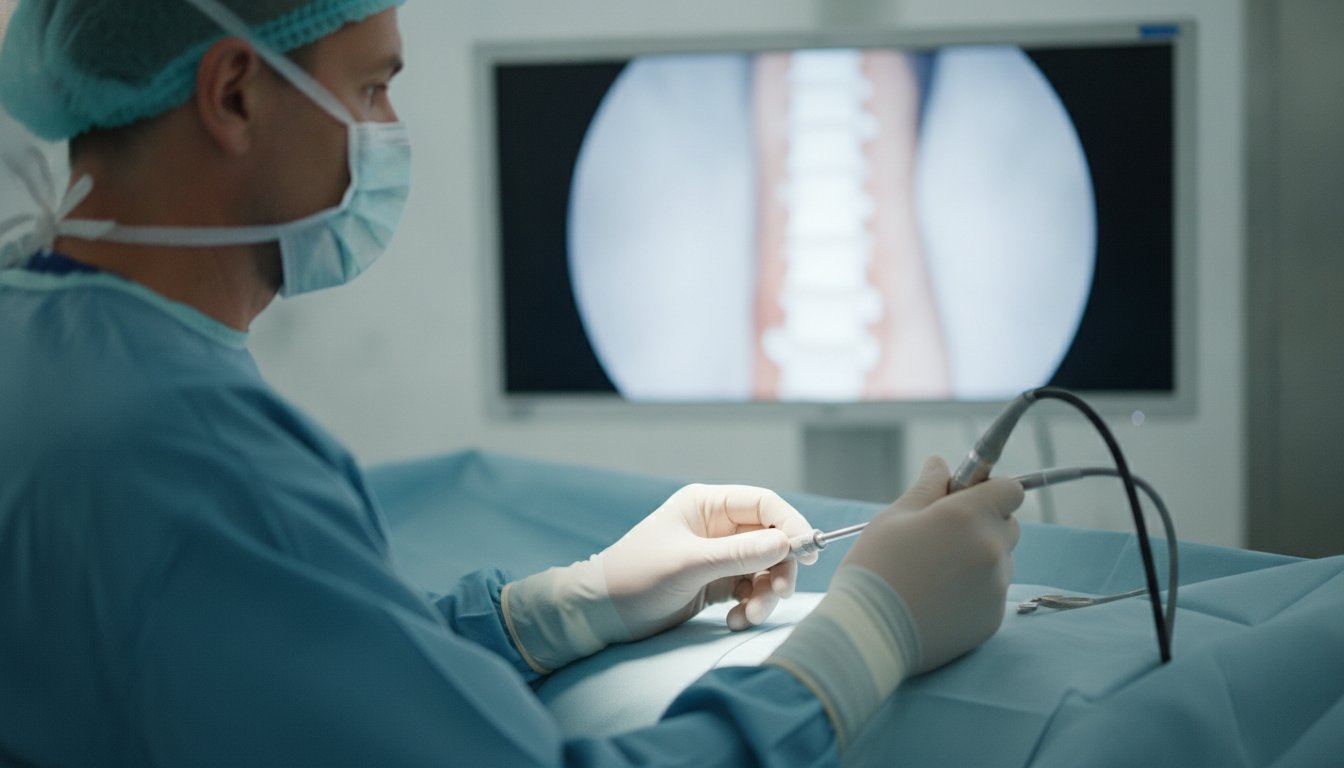
The procedure relies on the use of an endoscope. This instrument is a thin, surgical-grade tube equipped with a high-definition camera and a powerful light source. Unlike traditional methods that require large openings and extensive muscle stripping, Dr. Kutz accesses the spine through a tiny incision typically measuring less than one centimeter. This incision is often smaller than a thumbnail. This ultra-minimally invasive approach allows the surgeon to reach the damaged area without cutting or tearing through healthy back muscles. Instead of destructive muscle retraction, Dr. Kutz gently dilates the soft tissue to create a narrow, safe pathway for the endoscope and specialized micro-instruments.
The Technology Behind the Endoscope
Dr. Scott Kutz utilizes advanced high-definition cameras that provide a significantly magnified view of the delicate spinal nerves and intervertebral discs. This exceptional clarity allows for ultra-precise decompression of pinched nerves, ensuring that Dr. Kutz addresses only the pathological tissue while sparing healthy structures. To maintain a pristine surgical field, the system employs continuous fluid irrigation. This constant flow of sterile saline keeps the camera lens clear while simultaneously washing away microscopic debris and reducing the risk of postoperative infection. For more information on our specific technological tools, you can explore our endoscopic spine surgery service page.
Why it Differs from Traditional Minimally Invasive Surgery
While many practices offer standard minimally invasive techniques, there are distinct differences in the endoscopic approach. Standard minimally invasive spine techniques often utilize tubular retractors that, while smaller than open surgery incisions, still require more significant tissue displacement. Endoscopy requires even smaller entry points and offers superior visualization of the complex neuroanatomy. Patients in Plano and Lewisville benefit from this reduced tissue trauma, which translates directly into less postoperative pain and a faster return to normal activity. This high-tech precision ensures that the spine remains stable while the root cause of chronic pain is effectively neutralized.
How Endoscopic Surgery for Spine Works
The surgical process begins with a single, tiny incision in either the lower back or the neck area. Dr. Scott Kutz, a board-certified neurosurgeon, Fellow of the American Association of Neurological Surgeons, and Fellow of the American College of Surgeons, performs these procedures with meticulous care. He utilizes advanced fluoroscopic imaging, which functions as a real-time X-ray, to guide the endoscope directly to the source of your pain. This high-tech guidance ensures that the instruments reach the exact site of the pathology without disturbing the surrounding healthy anatomy.
Once the endoscope is in place, specialized micro-instruments pass through its narrow channel. Dr. Kutz uses these tools to remove herniated disc material or bone spurs that compress the spinal nerves. Throughout the entire operation, the surgeon monitors a high-resolution screen in the operating room. This digital display provides a magnified view of the surgical site, allowing for levels of precision that are physically impossible in traditional open surgery. According to the Mayo Clinic on Spine Surgery, these advanced techniques minimize the physical impact on the body while maximizing the clinical outcome.
The Role of Precision Navigation
MINT enhances surgical safety by integrating the Globus Excelsius GPS system into the surgical workflow. This robotic guidance technology ensures that all instruments follow a pre-planned path with sub-millimeter precision. Dr. Scott Kutz also utilizes augmented reality through Augmedics. This headset allows the surgeon to see through the skin and soft tissue to the underlying bone structure. This “X-ray vision” eliminates guesswork and provides a layer of accuracy that protects the patient during every step of the decompression process.
Motion Preservation and Stability
A primary advantage of the endoscopic approach is the preservation of the natural biomechanics of your spine. Traditional surgery often requires the removal of supportive bony structures like the lamina. By avoiding this bone removal, Dr. Kutz maintains the inherent stability of the spinal column. This technique often serves as a motion-preserving alternative to more invasive fusion procedures. Keeping your natural anatomy intact reduces the risk of adjacent segment disease and promotes a more natural range of motion after recovery. You can learn more about our philosophy on our minimally invasive spine techniques page. If you want to see if this technology is right for your condition, you can schedule a consultation with our team in Lewisville or Plano.
Endoscopic vs. Traditional Open Spine Surgery
Traditional open surgery often involves long incisions and the physical detachment of muscles from the spine to provide the surgeon with a direct view of the treatment area. This process, known as retraction, causes significant tissue trauma and often leads to a lengthy healing process. In contrast, endoscopic spine surgery at MINT utilizes muscle-sparing dilation. Dr. Scott Kutz uses a series of small dilators to gently push muscle fibers aside rather than cutting or tearing them. This technique preserves the natural anatomy of the back while providing the surgeon with a crystal-clear view of the underlying pathology.
Dr. Scott Kutz, a board-certified neurosurgeon, Fellow of the American Association of Neurological Surgeons, and Fellow of the American College of Surgeons, prioritizes these techniques to reduce intraoperative blood loss. Many of these procedures don’t require general anesthesia; instead, Dr. Kutz often uses conscious sedation. This choice reduces the physiological stress on the patient and allows for a safer surgical experience. This level of precision is why the Mayo Clinic on minimally invasive spine surgery views endoscopy as a significant advancement for patient safety and clinical outcomes.
Patients in Lewisville and Plano benefit from an outpatient model that emphasizes efficiency and comfort. Most individuals return home within hours of their procedure. This is possible because the body doesn’t need to heal from the large-scale muscle disruption found in traditional back surgery. By performing these surgeries in specialized outpatient centers, Dr. Kutz ensures a more personalized, boutique experience that avoids the complexities of a large hospital system. You can learn more about our patient-first philosophy on our about us page.
Comparing Clinical Outcomes
Endoscopic patients report lower levels of immediate postoperative pain because the surgery avoids the forceful retraction of soft tissues. The risk of surgical site infection is also significantly lower because the incision is less than one centimeter wide, which limits exposure to external contaminants. Most patients return to light activities within days rather than the months required for open surgical recovery. This rapid timeline allows patients to resume their professional and personal lives with minimal disruption.
The Impact on Long-Term Spinal Health
Reducing collateral damage to the back muscles prevents future spinal instability and chronic weakness. Smaller incisions and muscle-sparing techniques result in minimal internal scar tissue near sensitive nerve roots, which reduces the chance of long-term nerve irritation. Motion preservation techniques protect the structural integrity of the spine and help prevent adjacent segment disease by maintaining natural movement at the treated level. This approach reflects the commitment to long-term wellness found in our minimally invasive spine techniques.
Are You a Candidate for Endoscopic Spine Surgery?
Determining candidacy for endoscopic spine surgery involves a detailed clinical assessment of your symptoms and diagnostic imaging. Most patients who find relief through this ultra-minimally invasive approach have already attempted conservative treatments. If you’ve completed weeks of physical therapy or received multiple epidural steroid injections without lasting improvement, it’s time to consider a surgical evaluation. Dr. Scott Kutz, a board-certified neurosurgeon, Fellow of the American Association of Neurological Surgeons, and Fellow of the American College of Surgeons, focuses on identifying the specific source of nerve compression to ensure the highest probability of a successful outcome.
This procedure is particularly beneficial for patients with localized pathologies that don’t require extensive reconstruction. Dr. Kutz often recommends endoscopy for individuals who want to avoid the risks and long recovery times associated with traditional open surgery. Because this technique preserves the natural stability of the spine, it’s an excellent option for active adults who prioritize a rapid return to their daily routines. Each case is unique, and Dr. Kutz reviews every patient’s medical history with a commitment to compassionate, evidence-based care.
Common Conditions Treated with Endoscopy
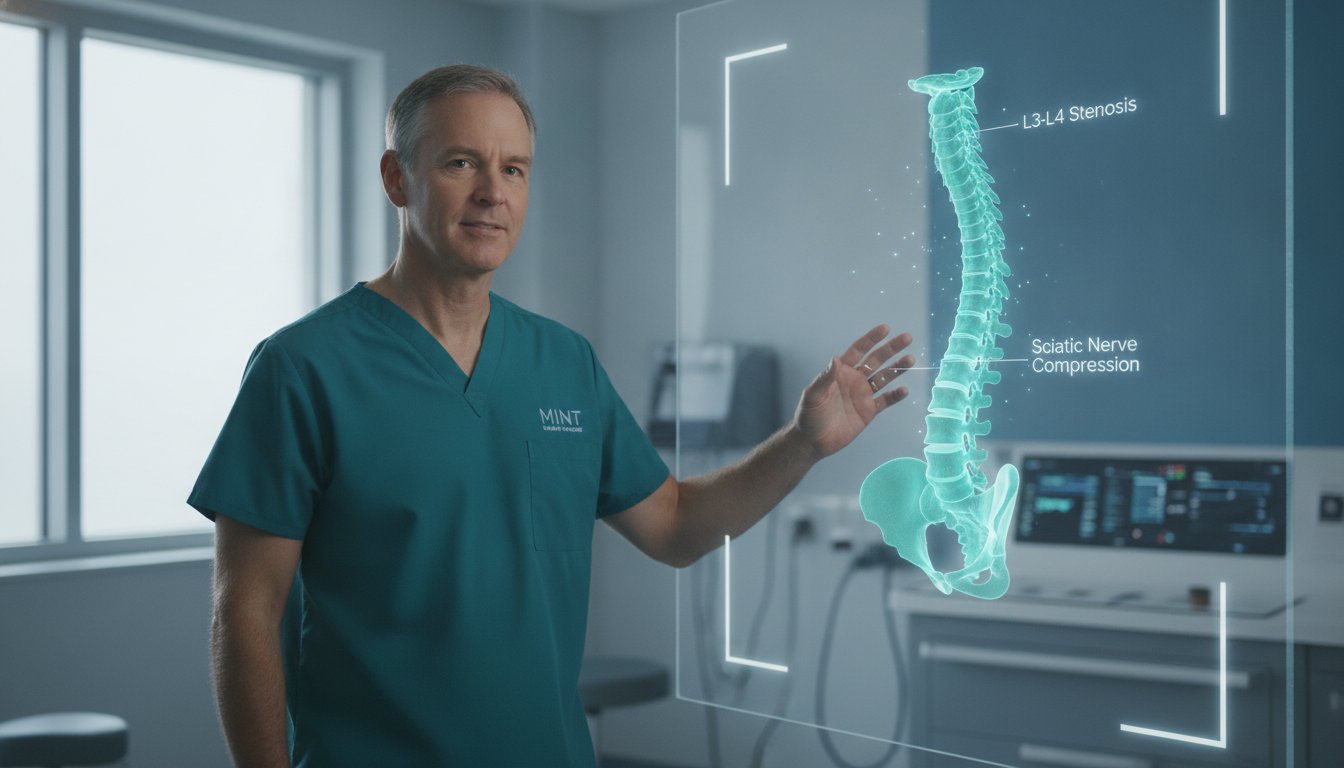
Herniated discs are among the most common conditions addressed with this technology. When a disc herniates, its inner material presses against spinal nerves, often causing sciatica. This condition results in sharp, radiating pain that travels from the lower back through the buttocks and down the leg. Endoscopy allows for the precise removal of this disc material. Additionally, the procedure effectively treats neural foraminal stenosis. This condition occurs when the exit tunnels for the nerves, known as the foramina, become narrow due to bone spurs or ligament thickening. Patients with radiculopathy, which includes symptoms like leg weakness, numbness, or tingling, often experience significant relief following an endoscopic decompression.
The Consultation Process at MINT
Your journey toward recovery begins with a comprehensive diagnostic review at our Lewisville or Plano offices. During your visit, Dr. Scott Kutz analyzes your MRI or CT scans to map the most efficient endoscopic pathway to the affected nerve. This pre-surgical planning is essential for achieving sub-millimeter precision during the procedure. We emphasize patient-first communication so you fully understand your diagnosis and your treatment options. If you’re ready to find relief from chronic back or leg pain, contact MINT today to schedule your evaluation and discover if you’re a candidate for this advanced care.
Recovery and Results: What to Expect After Surgery
The transition from the operating room to your own home happens much faster than most patients expect. Minimally Invasive Neurosurgery of Texas (MINT) performs endoscopic spine surgery primarily on an outpatient basis. Dr. Scott Kutz, a board-certified neurosurgeon, Fellow of the American Association of Neurological Surgeons, and Fellow of the American College of Surgeons, designs each procedure to minimize physical trauma. Because the endoscope allows him to work through a sub-centimeter incision, patients typically walk out of the surgical center on the same day as their procedure. This rapid discharge is possible because the surgery avoids the significant muscle disruption that requires hospital monitoring in traditional cases.
Postoperative pain management is a critical component of your care. Most patients find that they require only minimal pain medication during the first few days of recovery. Dr. Kutz provides every patient with a personalized recovery plan tailored to their specific spinal condition and lifestyle goals. This plan ensures a safe return to normal activity while protecting the integrity of the surgical site. The high-definition visualization used during surgery ensures that only the problematic tissue is addressed, which leads to a much calmer inflammatory response from the body.
The First 48 Hours
Your initial focus after returning home to Lewisville or Plano should be on gentle movement and rest. Dr. Kutz encourages light walking immediately to promote circulation and prevent stiffness. You must avoid heavy lifting or strenuous twisting during this window to allow the soft tissues to settle. Keeping the tiny incision site clean and dry is vital for preventing infection. Our clinical team provides detailed instructions on wound care, and you should report any unusual symptoms to the MINT offices immediately. This proactive communication ensures that your recovery stays on the right trajectory.
Returning to Your Life
The timeline for resuming professional responsibilities is remarkably short compared to traditional back surgery. Office workers often return to their jobs within three to five days after their procedure. If your job requires physical labor, Dr. Kutz will adjust your timeline to ensure your spine remains stable. We often recommend physical therapy to strengthen the core muscles and support long-term spinal health. This follow-up care helps you maintain the benefits of your surgery for years to come. You can explore our patient testimonials to see real recovery stories from North Texas residents who have reclaimed their lives through our advanced care.
Take the Next Step Toward Lasting Relief
Choosing the right surgical approach is a critical decision for your long-term spinal health. Endoscopic spine surgery at MINT offers a sophisticated alternative to traditional methods by preserving muscle stability and natural biomechanics. Dr. Scott Kutz, a board-certified neurosurgeon, Fellow of the American Association of Neurological Surgeons, and Fellow of the American College of Surgeons, utilizes advanced robotic and augmented reality technology to ensure the highest level of precision. This ultra-minimally invasive care allows most patients in Lewisville and Plano to walk out of the surgical center on the same day and return to their professional lives within a week.
You don’t have to live with chronic nerve pain or the fear of a long, painful recovery. With convenient locations in Lewisville and Plano, our team provides the expert guidance you need to make an informed decision about your healthcare. Schedule your consultation with Dr. Scott Kutz in Lewisville or Plano today to explore your treatment options. Reclaiming your active lifestyle and returning to normal activity is within reach through our patient-centered, high-tech approach.
Frequently Asked Questions
Is endoscopic spine surgery considered a major surgery?
Endoscopic spine surgery is an ultra-minimally invasive procedure that serves as a modern alternative to major open back surgery. While it requires the precision of a board-certified neurosurgeon, it does not involve the extensive muscle tearing or bone removal associated with traditional operations. Dr. Scott Kutz utilizes this technique to minimize physical trauma and allow patients to return home the same day.
How long does the endoscopic spine procedure take to perform?
Most endoscopic procedures take between 30 and 90 minutes to complete depending on the complexity of the spinal condition. Dr. Scott Kutz uses advanced imaging and robotic guidance to reach the affected area efficiently. This streamlined process reduces the time you spend under sedation and supports a faster overall recovery timeline.
What is the success rate of endoscopic spine surgery for herniated discs?
Clinical data shows that endoscopic spine surgery has a high success rate for resolving symptoms of herniated discs, including radiating leg pain and weakness. Dr. Scott Kutz reviews each diagnostic scan to ensure that every patient meets the criteria for a successful outcome. This precision-focused approach typically results in fewer complications and higher patient satisfaction compared to traditional open discectomy.
Will I need general anesthesia for an endoscopic spine procedure?
You don’t always need general anesthesia for an endoscopic procedure at MINT. Dr. Scott Kutz often utilizes conscious sedation, which allows you to remain comfortable and relaxed while breathing on your own. This method reduces the physiological stress on your body and eliminates many of the side effects associated with deeper anesthesia used in major hospital systems.
How soon can I drive after having endoscopic spine surgery?
Most patients can resume driving within three to seven days after their procedure as long as they no longer require narcotic pain medication. You must have the physical strength and range of motion to operate your vehicle safely and perform emergency braking. Dr. Kutz provides specific clearance during your follow-up visit at our Lewisville or Plano offices.
Does insurance typically cover endoscopic spine surgery in Texas?
Most major insurance providers in Texas cover endoscopic procedures when conservative treatments fail to provide relief. Because every plan has different requirements, our team assists with the prior authorization process to verify your specific benefits. We focus on providing the clinical documentation necessary to demonstrate the medical necessity of your treatment.
How small is the scar after an endoscopic spine procedure?
The resulting scar is typically less than one centimeter long, which is roughly the size of a fingernail. Dr. Scott Kutz uses this tiny entry point to reach the spine without causing significant cosmetic damage or internal scar tissue. These small incisions heal quickly and carry a much lower risk of infection than the long incisions used in traditional surgery.
Can endoscopic surgery be used for cervical spine issues?
Yes, Dr. Scott Kutz uses endoscopic techniques to treat various cervical spine conditions, including herniated discs and pinched nerves in the neck. This approach allows for the precise decompression of the cervical nerve roots through a very small incision. It offers a motion-preserving alternative for patients who want to avoid more invasive neck surgeries or fusion procedures.