Minimally Invasive Neurosurgery of Texas (MINT), led by board-certified neurosurgeon Dr. Scott Kutz, provides advanced endoscopic spine surgery Plano TX to treat chronic back pain with ultra-minimally invasive techniques in Plano and Lewisville.
What if you could address the source of your chronic back pain through an incision no larger than a fingernail and return home the very same day? Many professionals working in Plano’s legacy business hubs worry that surgical intervention means long hospital stays and permanent scars. It’s common to feel anxious about the recovery time required for traditional procedures. Dr. Scott Kutz, a board-certified neurosurgeon, Fellow of the American Association of Neurological Surgeons, and Fellow of the American College of Surgeons, understands these concerns and prioritizes motion preservation over invasive fusion. You’ll discover how Dr. Kutz uses ultra-minimally invasive techniques to offer a faster recovery with minimal post-operative pain. This article details the advanced neurosurgical techniques available at MINT and explains how a specialized approach helps you return to normal activity quickly. We’ll examine why choosing a board-certified specialist near home is the most effective way to reclaim your quality of life and move beyond the limitations of back pain.
Key Takeaways
- Understand how endoscopic spine surgery Plano TX uses micro-incisions and an endoscope to treat localized spinal issues with minimal physical impact.
- Discover the streamlined surgical process that often takes less than one hour to perform under the precision of a board-certified specialist.
- Learn why most patients experience a same-day discharge and a rapid return to normal activity after their procedure at MINT.
- Explore the comprehensive list of conditions treated through ultra-minimally invasive methods that prioritize motion preservation over traditional fusion.
- Benefit from the clinical authority of Dr. Scott Kutz, a board-certified neurosurgeon and Fellow of the American College of Surgeons with over 20 years of experience.
What is Endoscopic Spine Surgery at MINT in Plano TX?
Minimally Invasive Neurosurgery of Texas (MINT) provides endoscopic spine surgery Plano TX under the leadership of Dr. Scott Kutz. This procedure is a surgical technique that utilizes an endoscope to treat various spinal conditions through micro-incisions.
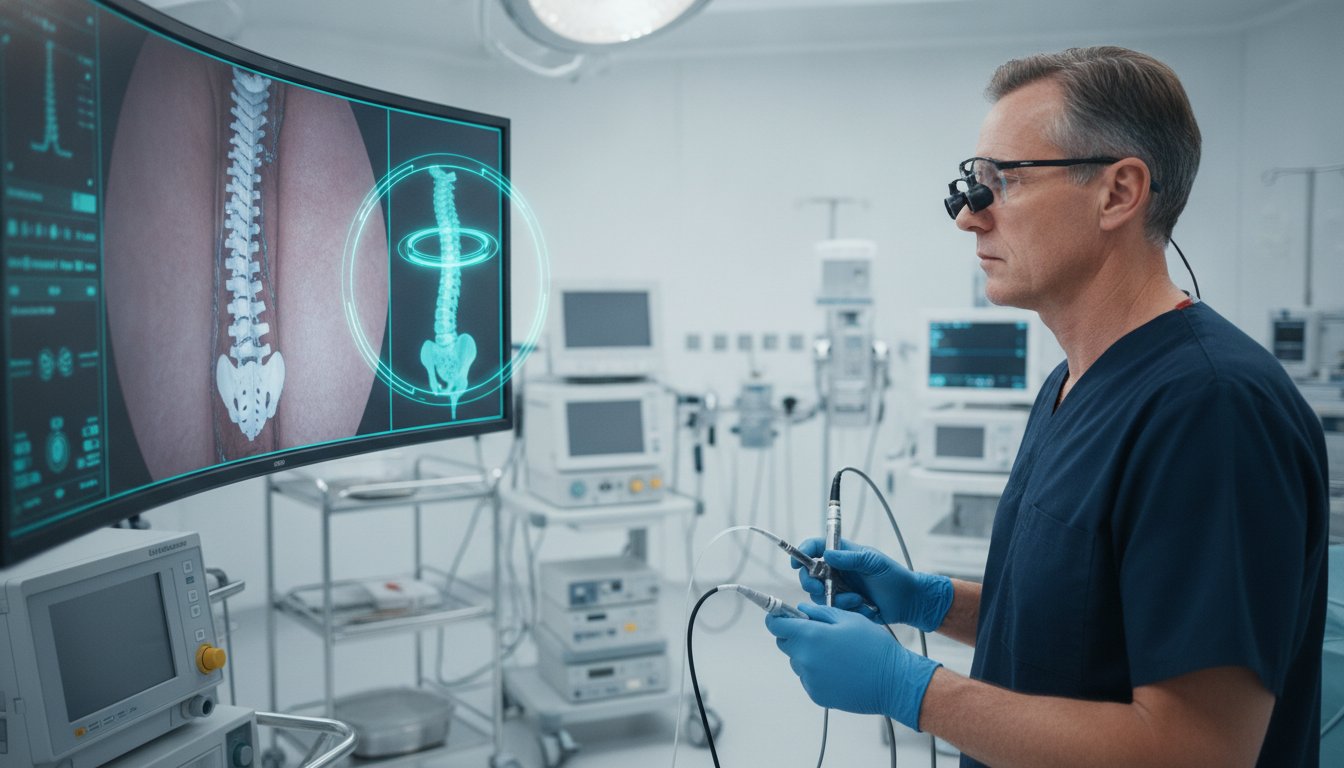
An endoscope is a very thin, flexible tube equipped with a high-definition camera and a powerful light source. This technology allows the surgeon to see internal structures with extreme clarity without the need for large openings. Traditional open back surgery often requires long incisions and significant muscle stripping, which is a process where the surgeon must detach or move large muscle groups to reach the spine. This trauma to the soft tissue typically leads to more post-operative pain and longer recovery times. In contrast, endoscopic spine surgery allows Dr. Kutz to access the spinal canal by gently dilating the muscles rather than cutting them. This approach falls under the broader category of minimally invasive spine surgery, which aims to stabilize the vertebral column while minimizing damage to surrounding tissues.
The Role of a Board-Certified Neurosurgeon
Selecting a specialist for spinal care is a critical decision for your long-term health. Dr. Scott Kutz is a board-certified neurosurgeon, a Fellow of the American Association of Neurological Surgeons, and a Fellow of the American College of Surgeons. His neurosurgical background provides him with a deep understanding of the delicate nerve roots and spinal cord. During the decompression process, which involves removing bone or disc material to relieve pressure on nerves, his expertise ensures that these vital neural structures remain protected. This level of specialization is essential for achieving the best clinical outcomes and ensuring a safe return to normal activity for patients in Plano and the surrounding communities.
Technological Precision in Plano
Precision is the hallmark of modern surgical care at MINT. The high-definition visualization provided by the endoscope offers a superior view of the surgical field compared to the naked eye. This clarity allows Dr. Scott Kutz to identify and treat pathology with microscopic accuracy. He utilizes specialized instruments designed specifically for micro-incisions to perform the repair, which reduces the physical impact on the body. This advanced technology is available right in our Plano and Lewisville service areas, providing residents with a boutique, high-tech alternative to large hospital systems. Patients benefit from modern innovation without having to travel far from home.
How Endoscopic Surgery for Spine Works: The Procedure
Patients often feel a sense of relief when they learn that endoscopic spine surgery Plano TX doesn’t require the heavy general anesthesia associated with traditional back surgery. At Minimally Invasive Neurosurgery of Texas (MINT), most individuals remain awake or under light sedation during the process. This conscious sedation allows for a safer experience and a much faster transition to the recovery room. Dr. Scott Kutz, a board-certified neurosurgeon and Fellow of the American Association of Neurological Surgeons, focuses on the preservation of vital spinal ligaments and muscle structures throughout the entire journey. Because the technique is so refined, the actual procedure often takes less than an hour to perform.
Step 1: Accessing the Spine Through a Micro-Incision
The journey toward relief begins with a micro-incision that is typically smaller than a standard postage stamp. Dr. Kutz avoids the traditional method of cutting through muscle tissue. Instead, he uses a specialized tool called a dilator to gently push muscle fibers aside. This approach creates a small portal to the spine without causing the cellular trauma seen in open procedures. A clinical review of endoscopic spine surgery confirms that these tissue-sparing methods are instrumental in reducing post-operative pain and inflammation. By maintaining the integrity of the surrounding soft tissue, Dr. Scott Kutz ensures that the body’s natural stability remains intact.
Step 2: Real-Time Visualization and Treatment
Once he establishes access, Dr. Kutz inserts the endoscope to gain a clear view of the spinal anatomy. He monitors the entire process on a high-resolution screen in the operating room, which provides a magnified view of the nerves and discs. This real-time visualization allows him to identify the exact source of nerve compression with microscopic accuracy. He then uses specialized micro-instruments to remove herniated disc material or bone spurs, which are also called osteophytes. This precision ensures that only the problematic tissue is removed while healthy structures are left undisturbed. This meticulous level of care is a hallmark of the endoscopic spine surgery offered at our Plano and Lewisville locations.
The procedure concludes with the removal of the endoscope and the application of a small micro-bandage over the incision site. There’s no need for bulky dressings or extensive sutures. If you’re struggling with persistent leg or back pain, you can schedule a consultation with Dr. Scott Kutz to see if this ultra-minimally invasive approach is right for you. His 20 years of experience as a board-certified neurosurgeon and Fellow of the American College of Surgeons ensures you receive the highest level of specialized care near home.
Conditions Treated with Endoscopic Spine Surgery in Plano
What conditions can endoscopic spine surgery treat? Dr. Scott Kutz uses endoscopic spine surgery Plano TX to treat localized spinal conditions such as herniated discs, sciatica, spinal stenosis, and foraminal narrowing. This technique allows for the precise removal of disc fragments or bone spurs through micro-incisions, providing relief while preserving the natural motion of the spine.
Minimally Invasive Neurosurgery of Texas (MINT) treats a variety of spinal disorders using these specialized techniques. Before suggesting any surgical intervention, Dr. Scott Kutz always explores conservative care options first. These include non-surgical treatments like physical therapy, anti-inflammatory medications, or targeted injections. When these methods fail to provide adequate relief, ultra-minimally invasive surgery becomes a highly effective option for resolving persistent pain. You can find more information about these options on the MINT services page.
Herniated Discs and Sciatica Relief
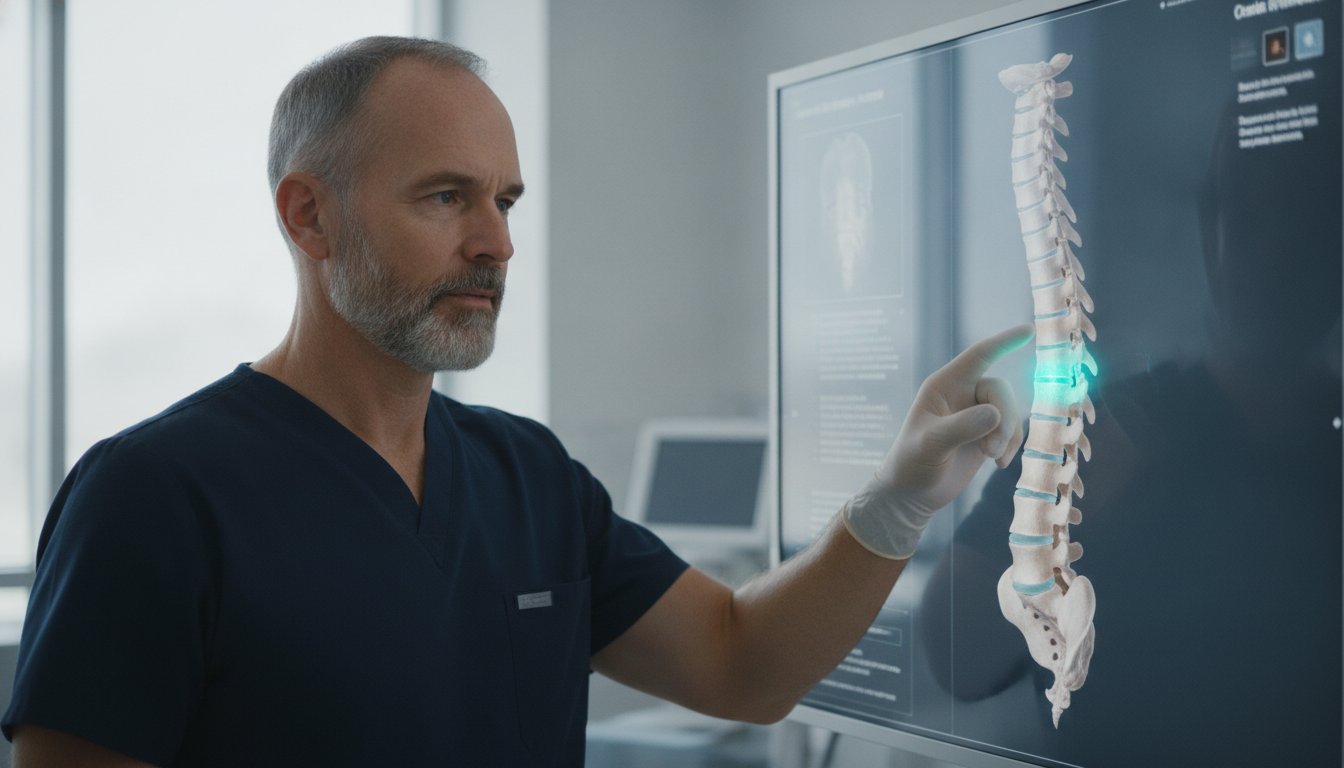
A herniated disc occurs when the soft, jelly-like center of a spinal disc pushes through a tear in the tougher exterior casing. This protrusion often compresses nearby nerves, which leads to intense pain, numbness, or weakness. When this happens in the lower back, it frequently affects the sciatic nerve. Dr. Scott Kutz uses the endoscope to locate and remove the specific disc fragment pressing on the nerve. Because the procedure directly addresses the source of compression, many patients report feeling immediate relief in their legs once they wake up. This precision is why endoscopy is a primary tool for disc-related pain at our facility.
Spinal Stenosis and Foraminal Narrowing
Spinal stenosis involves the narrowing of the spaces within your spine, which puts significant pressure on the nerves that travel through the spinal column. This condition often results from age-related changes or the development of bone spurs. Foraminal narrowing is a specific type of stenosis occurring in the neural foramen; this is the opening where nerve roots exit the spinal canal. Dr. Kutz utilizes the high-definition camera of the endoscope to clear debris and bone fragments from these narrow passages. This decompression restores space for the nerve roots and alleviates the radiating pain often associated with stenosis.
Dr. Scott Kutz also applies these methods to treat:
- Facet joint syndrome
- Spondylolisthesis (minor slippage)
- Degenerative disc disease
- Chronic lower back pain resistant to therapy
His 20 years of clinical experience as a board-certified neurosurgeon and Fellow of the American College of Surgeons ensures that every treatment plan is tailored to the patient’s specific anatomy. By focusing on motion preservation, MINT helps Plano residents avoid the rigidity often caused by traditional fusion surgeries. If you are ready to explore your options, visit the MINT homepage to learn more about our patient-first philosophy.
Recovery Timeline: Returning to Life in Plano TX
Residents of Plano often avoid surgery because they fear being sidelined for months. However, endoscopic spine surgery Plano TX at MINT offers a fundamentally different experience. Most patients walk out of our Plano or Lewisville facility on the same day as their procedure. This outpatient model eliminates the need for long hospital stays and allows you to begin your recovery in the comfort of your own home. Because Dr. Scott Kutz, a board-certified neurosurgeon and Fellow of the American Association of Neurological Surgeons, uses ultra-minimally invasive techniques, there is significantly less tissue damage. This reduction in trauma translates directly to a decreased need for opioid pain medications.
The First 48 Hours Post-Surgery
The first two days focus on simple wound care and light activity. Since the incision is smaller than a postage stamp, it requires only a small bandage and minimal maintenance. Dr. Kutz encourages light walking immediately to promote healthy circulation and prevent stiffness. Most patients find that they can manage any discomfort with standard over-the-counter pain relievers. This is a major benefit for those who wish to avoid the side effects of stronger narcotics. You can learn more about our patient-centered approach and specialized protocols on the MINT homepage.
Week 1 through Week 4: Gradual Activity Increase
By the end of the first week, many Plano professionals return to light office work or remote desk duties. Driving is typically permitted once you no longer require pain medication and have regained full mobility. Between weeks two and four, you may begin gentle stretching or physical therapy to rebuild core strength. This timeline is significantly shorter than traditional open fusion, which often requires months of restricted movement. During this period, Dr. Kutz emphasizes the importance of listening to your body’s signals. While the endoscopic approach allows for faster healing, the internal structures still require time to stabilize.
Patients in Plano’s active business sectors find this predictable timeline allows them to plan their return to the workforce with confidence. Dr. Scott Kutz, also a Fellow of the American College of Surgeons, monitors your progress through follow-up appointments to ensure a safe return to normal activity. If you are ready to reclaim your lifestyle and move past chronic pain, contact our office today to discuss your recovery goals and see if you are a candidate for this advanced care.
Why Choose Dr. Scott Kutz and MINT for Your Procedure?
Dr. Scott Kutz, a board-certified neurosurgeon, Fellow of the American Association of Neurological Surgeons, and Fellow of the American College of Surgeons, provides a level of expertise that sets MINT apart from larger, multi-disciplinary orthopedic groups. With over 27 years of clinical experience and a record of performing more than 6,000 successful surgeries, he offers a level of technical mastery that translates into superior patient outcomes. Choosing a specialist for endoscopic spine surgery Plano TX means selecting a physician who understands the complex relationship between the spinal column and the nervous system. Our Plano satellite office serves as a convenient, specialized hub where residents can access world-class care without the stress of navigating a large hospital campus.
A Focus on Motion Preservation
Dr. Kutz advocates for motion preservation as the gold standard for long-term spinal health. Traditional spinal fusion surgery permanently joins two or more vertebrae, which can lead to increased stress on the surrounding levels of the spine. This stress often causes adjacent segment disease, which is a condition where the discs above or below a fusion site wear out prematurely. At MINT, we focus on techniques that relieve pain while keeping your back as mobile as possible. This commitment to flexibility is evident in our approach to artificial disc replacement and endoscopic decompression. Maintaining this natural movement helps you return to normal activity more effectively and protects your spine from future degenerative issues as you age.
Patient-Centered Communication and Care
Our practice believes that an informed patient is a confident patient. Dr. Scott Kutz takes the time to explain your imaging results and clinical findings in plain English so you can make the best decision for your health. He has conducted over 25,000 patient consultations, which has refined his ability to provide compassionate reassurance alongside clinical authority. We use the latest high-definition diagnostic imaging at both our Plano and Lewisville locations to identify the precise cause of your discomfort. This dedication to clarity and precision has helped thousands of patients find lasting relief. You can see the results of this patient-centered philosophy by visiting our testimonials page, where neighbors from across North Texas share their success stories.
Take the first step toward a pain-free life by visiting the MINT homepage to request your appointment. Our team is ready to help you reclaim your daily quality of life with precision, advanced technology, and compassion.
Reclaim Your Active Lifestyle in Plano
Choosing a path toward pain relief doesn’t have to mean sacrificing your mobility or enduring a lengthy hospital stay. Through endoscopic spine surgery Plano TX, Dr. Scott Kutz offers a sophisticated alternative to traditional open procedures. This ultra-minimally invasive approach allows for same-day recovery and a faster return to your daily routine. Dr. Kutz brings over 20 years of experience as a board-certified neurosurgeon and a Fellow of the American Association of Neurological Surgeons to every patient he treats. His commitment to motion-preserving techniques ensures that your long-term spinal health remains a top priority.
You don’t have to live with chronic back pain or the limitations it places on your career and family life. Our boutique surgical center provides the high-tech precision you need in a compassionate, local environment. Schedule your consultation with Dr. Scott Kutz in Plano today to discover how advanced neurosurgical care can help you move with confidence again. Relief is closer than you think, and your journey back to a normal activity level starts with a single specialized evaluation. We look forward to helping you achieve lasting relief and a better quality of life.
Frequently Asked Questions
Is endoscopic spine surgery considered a major surgery?
Endoscopic spine surgery is an ultra-minimally invasive outpatient procedure rather than a major open surgery. Because Dr. Scott Kutz uses a tiny endoscope to access the spine, he avoids the significant muscle stripping and bone removal required in traditional operations. This approach results in less blood loss and a lower risk of complications compared to invasive alternatives. Most patients return home the same day and experience a much faster recovery timeline.
How long does the endoscopic spine procedure take with Dr. Scott Kutz?
The actual surgical time for endoscopic spine surgery Plano TX often lasts less than one hour. Dr. Scott Kutz, a board-certified neurosurgeon, utilizes advanced visualization technology to identify and treat the source of pain with extreme efficiency. While the procedure itself is brief, patients should plan to spend a few additional hours at our Plano or Lewisville facility for pre-operative preparation and post-operative monitoring. This streamlined process ensures you spend less time in a clinical setting and more time recovering in comfort.
Will I have a large scar after endoscopic surgery in Plano?
No, you will only have a tiny scar that is typically less than one centimeter long. Dr. Scott Kutz performs the entire procedure through a micro-incision that is often smaller than a postage stamp. Because he uses a dilator to gently move muscle fibers aside instead of cutting them, the skin heals quickly with minimal scarring. Most patients only require a small micro-bandage over the site rather than bulky dressings or staples.
How soon can I return to work after an endoscopic procedure?
Many patients return to light office work or desk duties within one week of their procedure. If your job involves physical labor or heavy lifting, Dr. Scott Kutz may recommend waiting four weeks or longer to ensure the spinal structures have fully stabilized. We understand that professionals at Plano legacy business hubs need a predictable timeline to plan their return. Dr. Kutz provides specific milestones based on your unique healing progress and the physical demands of your career.
Does insurance typically cover endoscopic spine surgery at MINT?
Most major insurance providers cover minimally invasive spinal procedures when they are medically necessary. Dr. Scott Kutz accepts a wide range of plans, including Aetna, Blue Cross Blue Shield, Cigna, Humana, and UnitedHealthcare. It is important to verify your specific coverage details with our office before your appointment. Please note that MINT charges a $25.00 fee for the completion of each set of disability or FMLA paperwork required for your employer.
What is the difference between a neurosurgeon and an orthopedic surgeon for spine care?
Neurosurgeons like Dr. Scott Kutz undergo specialized training focused specifically on the brain, spinal cord, and delicate nerve roots. While orthopedic surgeons focus on the musculoskeletal system, a neurosurgeon’s expertise is vital when decompressing nerves or working near the spinal canal. Dr. Kutz is a Fellow of the American Association of Neurological Surgeons and a Fellow of the American College of Surgeons. This background ensures the highest level of precision when protecting your neural structures during surgery.
Can endoscopic surgery treat multiple herniated discs at once?
Yes, Dr. Scott Kutz can often treat multiple herniated discs during a single surgical session. He may use the same micro-incision or a second small opening to reach the additional levels of the spine. This capability allows patients to address multiple sources of pain without the need for a large, invasive incision. Dr. Kutz will evaluate your imaging and clinical symptoms to determine if a multi-level endoscopic approach is the right strategy for your condition.
What happens if endoscopic surgery does not fully resolve my back pain?
If an ultra-minimally invasive approach does not provide the desired relief, MINT offers a full continuum of advanced care. Dr. Scott Kutz specializes in motion-preserving alternatives like artificial disc replacement to maintain spinal flexibility. Our patient-first philosophy ensures that we monitor your progress closely after surgery. If your pain persists, Dr. Kutz will utilize advanced diagnostic tools to re-evaluate your condition and discuss further specialized treatment options to help you return to normal activity.