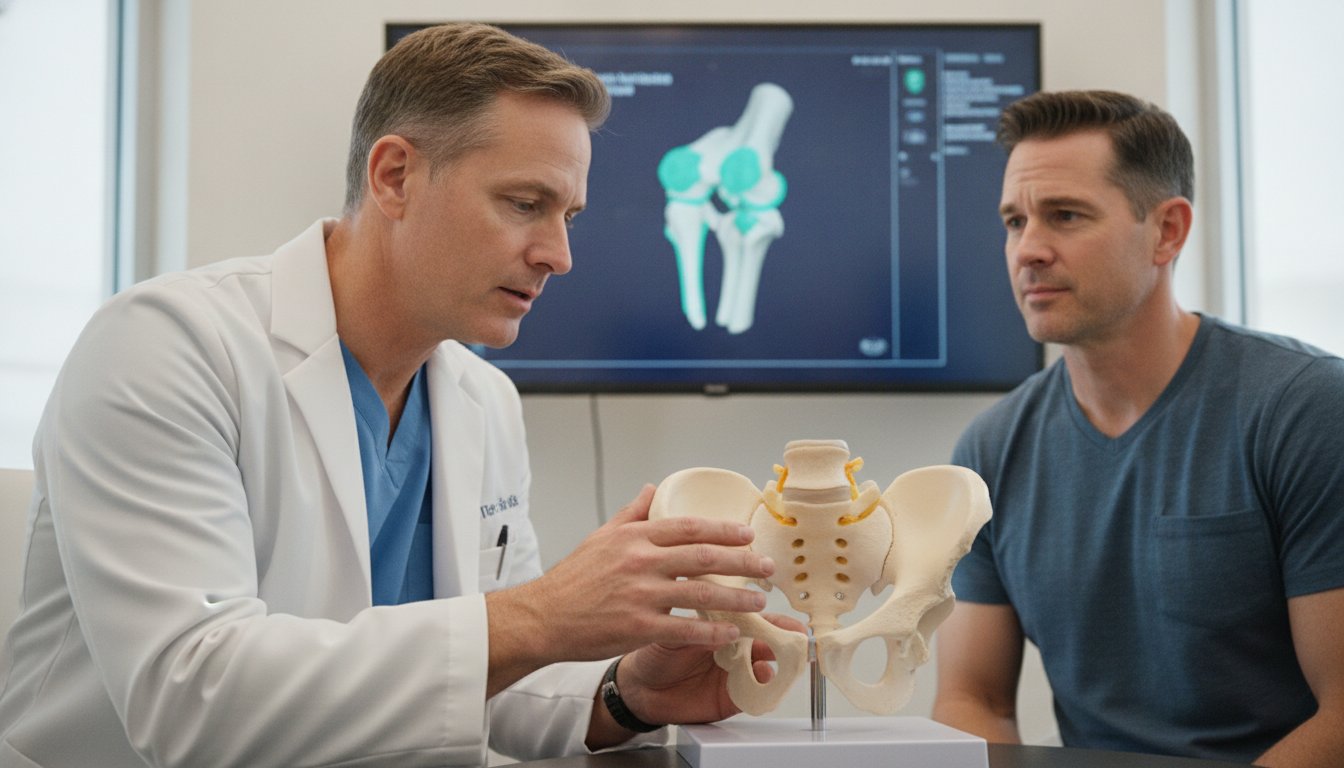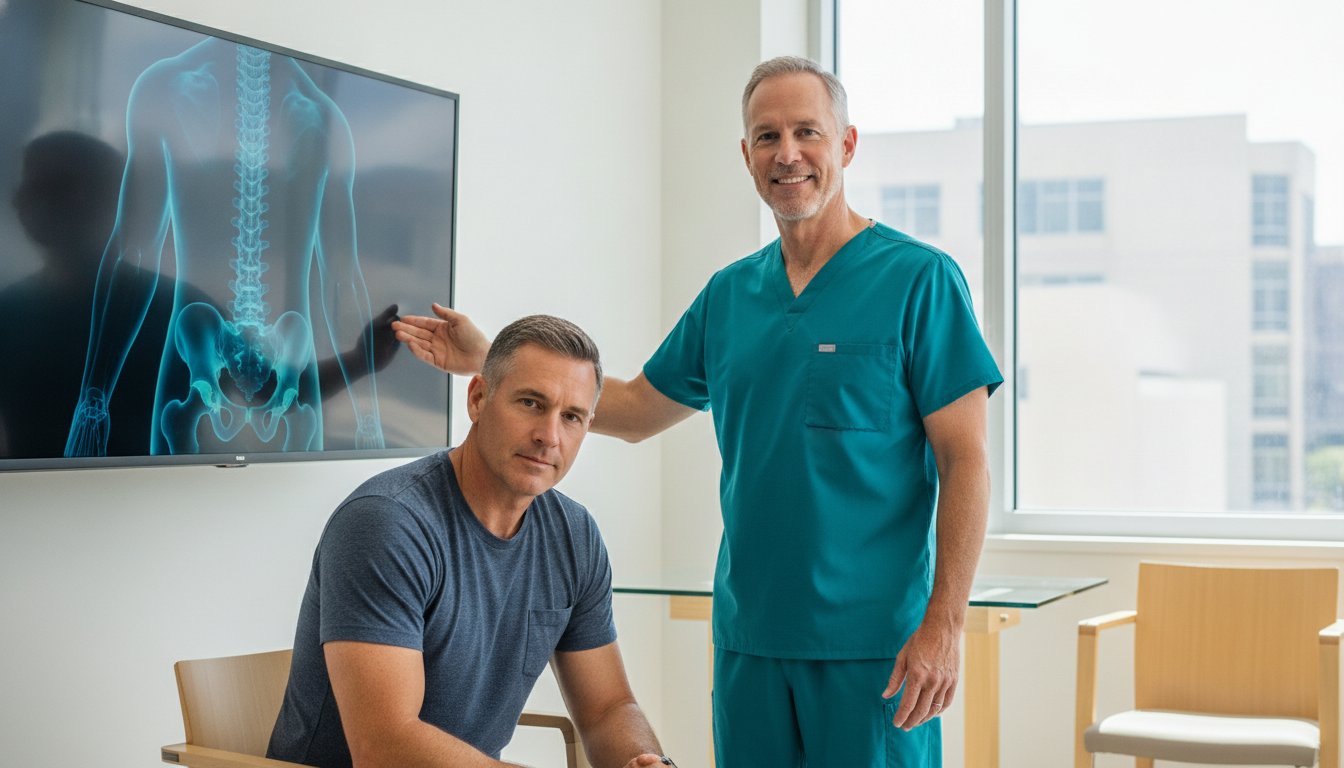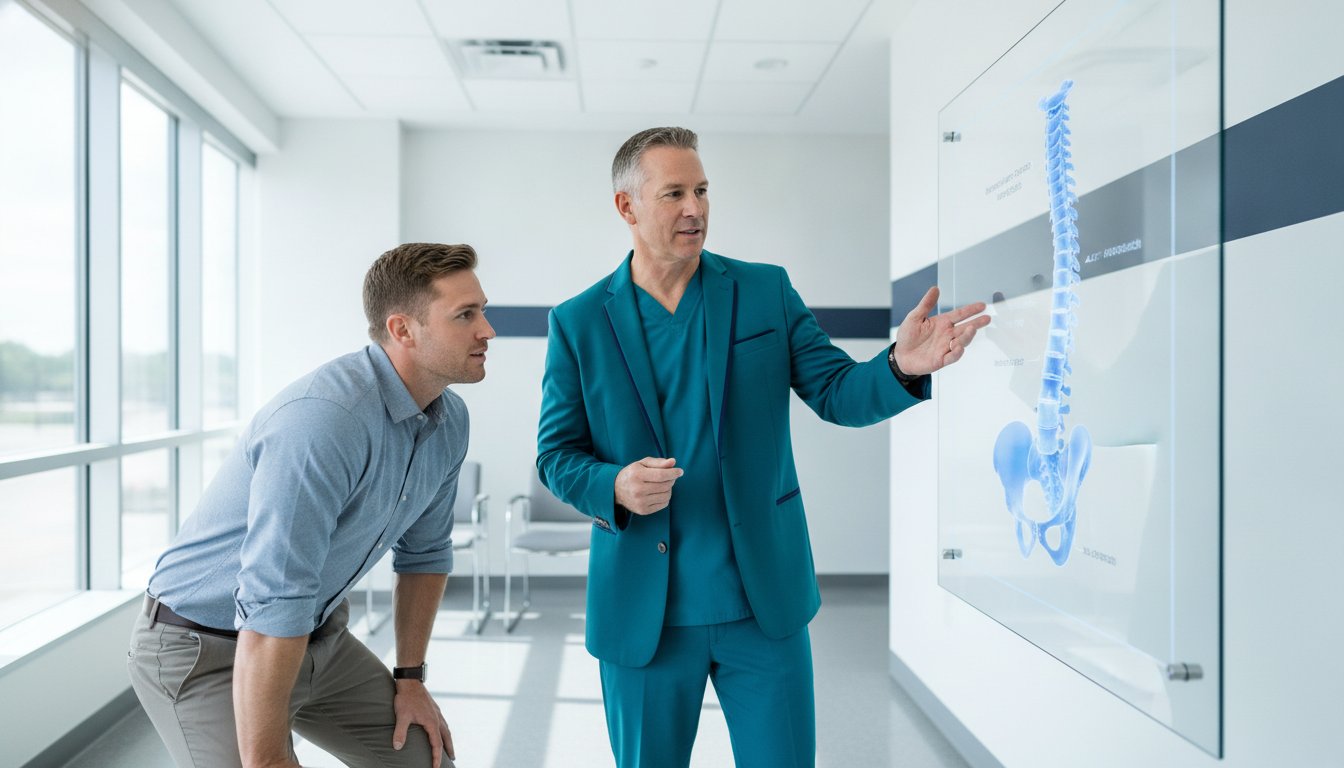
Minimally Invasive Neurosurgery of Texas (MINT) is a specialized surgical practice led by Dr. Scott Kutz, a board-certified neurosurgeon and Fellow of the AANS and ACS. From our modern clinics in Lewisville and Plano, Texas, Dr. Kutz provides advanced Anterior Lumbar Interbody Fusion (ALIF) to help patients regain their mobility. This procedure involves accessing the spine through the abdomen to stabilize the vertebrae, which are the individual bones that form the spinal column.
What if the most effective way to stabilize your spine involves an approach from the front of your body rather than the back? You likely feel frustrated by persistent lower back pain and fear the long recovery times that often follow traditional open surgery. Dr. Scott Kutz offers a sophisticated solution through alif surgery, a minimally invasive technique where the surgeon reaches the lumbar spine through the front to remove a damaged disc and fuse the bones. This method provides a stable foundation for the spine without cutting through sensitive back muscles. This guide explains the benefits of the anterior approach and how our precision technology helps patients in Lewisville and Plano return to normal activity faster than traditional methods.
Key Takeaways
- Learn why accessing the spine through the abdomen protects major back muscles and creates a more stable foundation for the vertebrae.
- Discover how alif surgery at MINT uses smaller incisions to reduce tissue damage and minimize postoperative discomfort for patients in Lewisville and Plano.
- Find out why most patients can begin walking the same day of their procedure and return home within one or two nights.
- Explore the differences between traditional open fusion and the specialized, minimally invasive techniques practiced by board-certified neurosurgeon Dr. Scott Kutz.
- Understand how personalized surgical planning and advanced robotic navigation improve the precision of your spinal fusion outcome.
Minimally Invasive Neurosurgery of Texas (MINT), led by board-certified neurosurgeon Dr. Scott Kutz, provides ALIF surgery for patients in Lewisville and Plano, TX. This procedure, also known as Anterior Lumbar Interbody Fusion, involves accessing the lumbar spine through the abdomen to treat chronic back pain and spinal instability.
What is ALIF Surgery and How Does it Treat Back Pain?
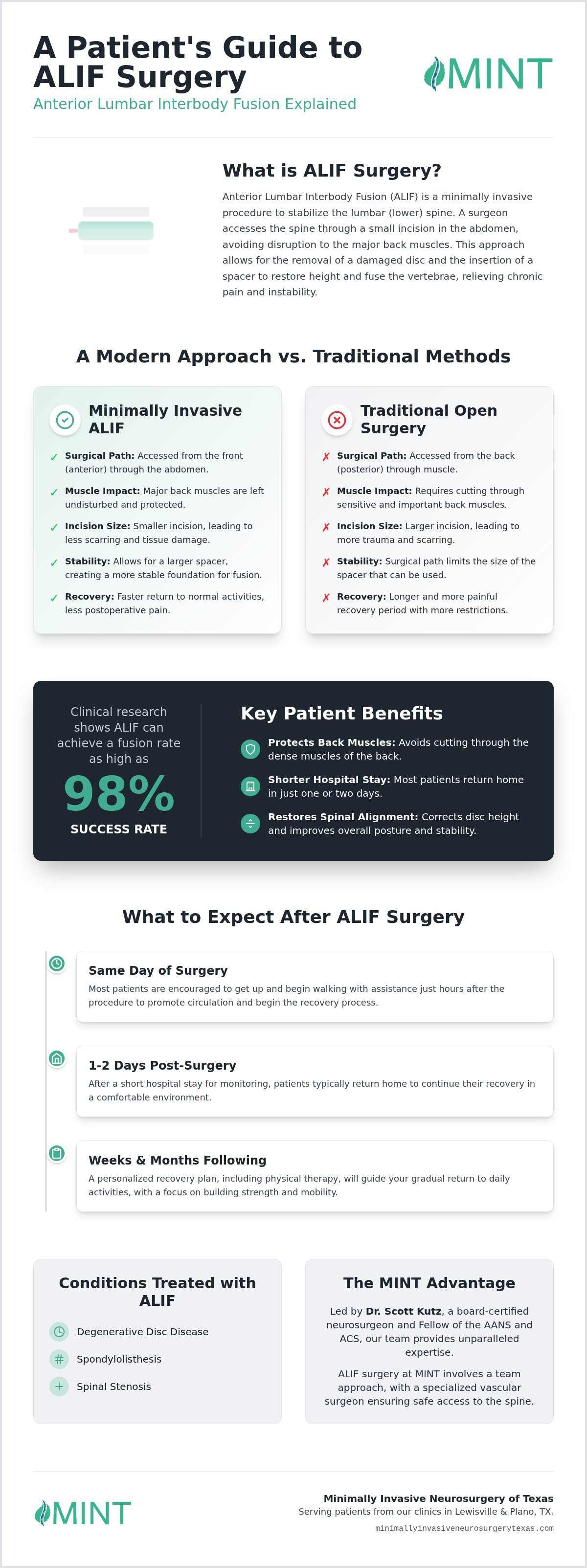
Anterior Lumbar Interbody Fusion, or alif surgery, represents a modern approach to stabilizing the lower spine. Unlike traditional methods that enter through the back, Dr. Scott Kutz accesses the lumbar spine through a small incision in the lower abdomen. This technique allows the surgeon to reach the disc space directly without disturbing the dense muscles of the back. By entering from the front, Dr. Kutz can remove a compromised intervertebral disc; the rubbery cushion between your spinal bones; and replace it with a specialized spacer. This spacer restores the natural height between vertebrae and encourages the bones to grow together into a single, solid unit.
This process is a specific type of Spinal Fusion, a surgical technique used to join two or more vertebrae permanently. By eliminating the motion between painful vertebrae, the procedure reduces the mechanical stress that causes chronic discomfort. Dr. Kutz utilizes advanced imaging and surgical instruments to ensure the spacer sits perfectly within the disc space, which maximizes the chances of a successful fusion. This approach often results in less blood loss and a lower risk of muscle trauma compared to posterior surgeries.
Conditions Treated with ALIF in North Texas
Dr. Kutz recommends this procedure for several specific conditions that cause debilitating pain. Patients in Lewisville and Plano often seek relief from degenerative disc disease, which occurs when discs wear down and lose their cushioning ability. It also effectively treats spondylolisthesis, a condition where one vertebra slips forward over the bone below it. Additionally, ALIF provides necessary stability for patients suffering from spinal stenosis; the narrowing of the spaces within your spine; especially when the spine requires reinforcement after a decompression procedure.
The Role of a Board-Certified Neurosurgeon
Choosing a board-certified neurosurgeon like Dr. Scott Kutz ensures a high level of technical precision. Neurosurgery focuses on the intricate relationship between the skeletal system and the nervous system. During the fusion process, Dr. Kutz uses his specialized training to protect delicate nerve roots and surrounding vascular structures. MINT prioritizes evidence-based care for every patient in Plano and Lewisville, utilizing minimally invasive spine surgery techniques to improve outcomes. Learn more about our commitment to patient health on our about us page.
The Anterior Approach: Why Surgeons Enter from the Front
Most patients assume that back surgery requires an incision on the back. However, surgeons reach the lumbar spine; the lower portion of the back; from the front of the body during an ALIF surgery procedure. This pathway provides a direct route to the disc space without disturbing the spinal nerves as much as posterior surgery, which refers to procedures performed from the back. The ALIF Procedure avoids the dense network of nerves and bone structures that typically block access during traditional operations.
By entering through the abdomen, Dr. Scott Kutz can use larger interbody spacers. These are the specialized devices that hold the vertebrae apart to restore height. Larger spacers provide a broader surface area for bone growth, which significantly increases the chances of a successful fusion. Clinical research indicates that this technique can achieve a fusion rate as high as 98%. This increased surface area offers superior structural support and helps the spine maintain its natural alignment.
Surgical Team Collaboration for Patient Safety
Safety remains our highest priority during every procedure. To achieve this, Dr. Scott Kutz utilizes a team-based approach for patients in Lewisville and Plano. A vascular surgeon; a medical doctor who specializes in the health of blood vessels; performs the initial access. This specialist carefully moves the abdominal organs and major blood vessels aside to create a clear window to the spine. Once the access surgeon secures the path, Dr. Kutz performs the neurosurgical portion of the operation. He removes the damaged disc and places the fusion hardware with extreme precision. This partnership minimizes risks and allows Dr. Kutz to focus entirely on the delicate spinal structures.
Preserving the Posterior Muscle Chain
Traditional spine surgery often requires the surgeon to cut or strip the large muscles of the back away from the vertebrae, which are the individual bones of the spine. This trauma to the posterior muscle chain often causes significant post-operative pain and a longer recovery period. In contrast, ALIF surgery leaves these critical support muscles completely untouched. By entering from the front, Dr. Kutz preserves the integrity of your back muscles. This preservation helps you maintain a more natural feeling of stability once you heal. Patients often report less long-term soreness because their core support system remains intact throughout the surgery.
Dr. Scott Kutz combines this muscle-sparing approach with advanced technologies like Globus ExcelsiusGPS robotic navigation to ensure the highest level of accuracy. If you want to learn more about how this anterior approach can resolve your chronic back pain, you can request a consultation with our team today.
Minimally Invasive ALIF vs. Traditional Spinal Fusion
Traditional spinal fusion procedures often require large incisions on the back and the forceful retraction of muscles. This older method frequently causes significant postoperative pain and a lengthy healing process because it disrupts healthy tissue. At MINT, Dr. Scott Kutz utilizes alif surgery to provide a more refined alternative. By using specialized instruments and a minimally invasive approach, he limits the size of the surgical opening. This precision reduces the physical impact on the body, which leads to less blood loss and a lower risk of infection for patients in Plano and Lewisville. Modern techniques prioritize preserving healthy tissue while achieving a solid fusion of the vertebrae.
Before recommending surgery, Dr. Kutz evaluates each individual using established ALIF patient selection criteria. This rigorous process involves reviewing imaging and medical history to confirm that the anterior approach fits your specific spinal anatomy. By choosing the right candidates, we ensure that our surgical interventions lead to high patient satisfaction and a faster return to normal activity. This thorough evaluation addresses the specific cause of your lower back pain and ensures the best possible stability for your spine.
Key Advantages of the Minimally Invasive Method
The transition from traditional open surgery to a minimally invasive approach offers several clinical benefits. Patients spend less time under general anesthesia, which is the medically induced state of unconsciousness the procedure requires. A shorter time in the operating room often translates to a smoother waking process and fewer systemic side effects like nausea or grogginess. Dr. Kutz’s specialized training in minimally invasive techniques creates this surgical efficiency.
Postoperative care also improves with this modern method. Patients generally rely less on heavy narcotic pain medications because the procedure causes less trauma to the surrounding soft tissues. Patients also appreciate the smaller surgical scars. These incisions heal more quickly than traditional long incisions and allow for a faster return to daily routines. Smaller openings also decrease the chance of developing postoperative complications that could delay your recovery.
Robotic Precision with Globus ExcelsiusGPS
The integration of the Globus ExcelsiusGPS robotic navigation system further distinguishes the care at MINT. Dr. Scott Kutz uses this technology to plan and execute the placement of spinal hardware with sub-millimeter accuracy. This term refers to precision measured in less than one millimeter. The system allows Dr. Kutz to create a customized surgical plan based on your unique anatomy before he even makes the first incision.
During the operation, the robotic system creates a three-dimensional map of your spine. This map guides Dr. Kutz as he places screws and interbody spacers, which are the devices that replace your damaged discs. Robotic guidance ensures that every component sits in the optimal position to promote a successful bone fusion. This high-tech hallmark minimizes the risk of hardware malposition and maximizes the likelihood of a solid recovery. By combining his 20 years of neurosurgical experience with cutting-edge technology, Dr. Kutz provides a level of care that prioritizes both safety and long-term results.
Recovery Timeline: What to Expect After ALIF Surgery
Recovery from alif surgery at MINT follows a structured path designed to return you to normal activity safely. Because Dr. Scott Kutz uses minimally invasive techniques, the recovery process often feels more manageable than traditional open back surgery. Most patients stay in the hospital for one to two nights following the procedure at our Lewisville facility. This short stay allows our medical team to monitor your initial progress and ensure you manage your comfort effectively.
Mobility’s a critical part of the healing process. You’ll begin walking the same day of your surgery to promote blood flow and prevent complications like blood clots. Nurses and therapists help you stand and take your first steps safely. This early movement also helps stimulate the digestive system, which often slows down after anesthesia; the medication used to put you to sleep for surgery.
The initial healing phase for the abdominal incision takes about two weeks. During this time, you should keep the area clean and dry. While the surface incision heals quickly, the deeper spinal structures require more time. Full spinal fusion; the process where bone grows into the spacer to join the vertebrae; typically occurs over a period of three to six months. Dr. Kutz uses follow-up imaging to monitor this bone growth and ensure the vertebrae, which are the bones of the spine, are fusing correctly.
The First 48 Hours Post-Surgery
In the first 48 hours, pain management focuses on local anesthetics and non-opioid options whenever possible. We prioritize your comfort while minimizing the side effects associated with heavy medications. Dr. Scott Kutz monitors your initial progress closely. He ensures your pain’s well-controlled and your mobility meets clinical standards before he clears you for discharge to your Plano home. This immediate postoperative period sets the foundation for a successful long-term outcome.
Week 2 Through Month 3: Returning to Activity
Light walking serves as the primary exercise during the first month of recovery. You shouldn’t attempt heavy lifting, twisting, or bending during this time to protect the developing fusion. Most office-based professionals return to work within 4 weeks. If your job requires physical labor, Dr. Kutz’ll provide a customized timeline based on your specific duties and the physical demands of your role.
Physical therapy usually begins around week 6. These sessions help you strengthen the core and supporting muscles that stabilize your spine. A therapist’ll guide you through gentle stretches and exercises that improve your mobility without straining the surgical site. By month three, many patients report a significant reduction in their original lower back pain and a renewed sense of physical freedom. If you’re ready to start your journey toward a pain-free life, contact our team at MINT to schedule your initial evaluation.
Why Choose MINT for Your ALIF Procedure in North Texas?
Dr. Scott Kutz brings over 20 years of neurosurgical experience to every patient case at MINT. He prioritizes a conservative approach; he recommends non-surgical treatments like specialized stretching or medication before suggesting alif surgery. When surgery becomes necessary to improve your quality of life, he creates a personalized surgical plan tailored to your unique spinal anatomy. This dedicated focus on spinal health ensures that our team maintains the highest level of specialization in the Dallas-Fort Worth Metroplex. We operate as a boutique surgical center to provide the personal attention you won’t find in a large hospital system.
Our practice utilizes the latest innovations to enhance patient safety and surgical outcomes. Dr. Kutz employs Augmedics AR, which stands for Augmented Reality. This technology allows the surgeon to see your internal anatomy through a specialized headset as if he has x-ray vision during the procedure. Combined with Globus ExcelsiusGPS robotic navigation, these tools provide unparalleled accuracy during the placement of spinal hardware. We choose these high-tech systems because they reduce the physical impact on your body and support a faster return to normal activity.
Convenient Care in Lewisville and Plano
MINT serves patients through two primary locations in North Texas. Our Lewisville headquarters, which opened in January 2026, offers a modern environment for your initial consultations and follow-up care. Our Plano satellite office provides a convenient option for residents in the surrounding communities of Frisco and McKinney. We also regularly treat patients from Allen, Southlake, and Flower Mound who seek specialized neurosurgical expertise. By maintaining these regional service areas, we ensure that high-quality spinal care remains accessible to our local community.
Schedule Your Consultation with Dr. Scott Kutz
If you suffer from chronic lower back pain that limits your mobility, contact MINT at (972) 244-3491 to discuss your options. Our administrative team helps you navigate the surgical approval process and confirms that we accept most major insurance plans. We understand the stress of chronic pain and work to move you from a state of concern to a state of informed confidence. You can learn more about the successful outcomes of our previous patients by reading our patient testimonials.
Dr. Scott Kutz, a board-certified neurosurgeon and Fellow of the AANS and ACS, remains committed to providing compassionate, high-tech care. He focuses on restoring your function through the most advanced minimally invasive spine surgery techniques available today. Reclaim your daily life and discover the relief that comes from precision neurosurgical care.
Reclaim Your Mobility with Specialized Spinal Care
Chronic back pain doesn’t have to define your daily life. Choosing alif surgery at MINT allows you to benefit from a procedure that preserves your back muscles while providing superior spinal stability. Dr. Scott Kutz utilizes his over 20 years of neurosurgical experience to ensure each patient receives a precise, personalized treatment plan. As a board-certified neurosurgeon, he combines clinical authority with advanced technologies like precision robotic-assisted surgery to improve your clinical outcome.
Our dedicated staff in Lewisville and Plano prioritizes your return to normal activity through minimally invasive techniques that significantly reduce recovery times. You can transition from a state of constant physical concern to a future of renewed mobility and freedom. This specialized approach ensures that your spine receives the stability it needs without the trauma of traditional open surgery. Schedule a consultation with Dr. Scott Kutz at MINT today to explore your options for lasting relief. We feel honored to guide you through your recovery and help you achieve a healthier, more active lifestyle.
Frequently Asked Questions
How long does ALIF surgery take to perform?
ALIF surgery typically takes between two and three hours to perform. The exact duration depends on the number of spinal levels requiring treatment and your specific anatomy. Dr. Scott Kutz works efficiently with a vascular access surgeon to ensure a smooth and safe procedure. This timeframe includes the time needed for the initial access, disc removal, and the precise placement of the interbody spacer.
Is the anterior approach safer than going through the back?
The anterior approach is often safer for preserving the major muscle groups of the back. By entering through the abdomen, Dr. Kutz avoids the need to strip or cut the large posterior muscles that support your spine. This method also provides a clearer path to the disc space without disturbing the spinal nerves as much as traditional posterior surgery. Each patient receives a thorough evaluation to ensure this approach fits their specific needs.
What is the success rate of ALIF surgery for degenerative disc disease?
Research indicates that the success rate of alif surgery for degenerative disc disease is approximately 90% to 95%. Clinical studies show that bone fusion rates can reach as high as 98% when surgeons use modern spacers and bone graft materials. This high rate of success makes it an excellent option for patients in Plano and Lewisville who have not found relief through conservative treatments like physical therapy or medication.
When can I return to driving after an ALIF procedure?
Most patients can return to driving within two to four weeks after their procedure. You must meet two specific criteria before getting behind the wheel: you must stop taking all opioid pain medications and you must feel comfortable making the sudden movements required for safe driving. Dr. Kutz will provide a specific recommendation based on your healing progress during your follow-up appointment at our Lewisville clinic.
Will I have a large scar on my stomach after ALIF?
Dr. Kutz uses a minimally invasive technique that requires only a small horizontal incision in the lower abdomen. This incision typically measures between three and five inches. It often follows the natural skin folds or a previous surgical scar, making it less noticeable once it heals. Smaller incisions lead to faster skin healing and a lower risk of postoperative infection compared to traditional open surgeries.
Does ALIF surgery require a second incision in the back?
Not always. Many patients receive a stand-alone interbody spacer that provides enough stability without additional hardware in the back. If your spine requires extra reinforcement, Dr. Kutz may place supplemental screws through small incisions in the back. He determines the best configuration for your stability during the planning phase using the Globus ExcelsiusGPS robotic navigation system to ensure the most stable outcome.
Can I exercise normally after the spinal fusion is complete?
Yes, you can return to most normal exercises once the bone fusion is complete. This process typically takes between three and six months. After Dr. Kutz confirms a solid fusion through imaging, he will clear you for activities like swimming, cycling, and weightlifting. Maintaining a strong core through regular exercise helps protect your spine and ensures the long-term success of your alif surgery.
What are the risks associated with the anterior approach?
The anterior approach involves specific risks because the surgeon must navigate around abdominal organs and major blood vessels. Potential complications include vascular injury, incisional hernia, or retrograde ejaculation in male patients. MINT mitigates these risks by partnering with a specialized vascular access surgeon who manages the initial approach. This team-based strategy ensures the highest level of safety for patients throughout the Dallas-Fort Worth Metroplex.