Minimally Invasive Neurosurgery of Texas (MINT) and Dr. Scott Kutz, a board-certified neurosurgeon, provide specialized spine care in Lewisville and Plano, TX. Dr. Kutz performs microdiscectomy, which is a surgical procedure that removes a small portion of a herniated disc (a damaged or bulging spinal cushion) to relieve pressure on compressed nerves.
Did you know that clinical studies show a success rate between 70% and 90% for patients who undergo surgical intervention for radiating leg pain? If you experience sharp sensations or numbness in your foot, you likely want a solution that avoids long hospital stays and invasive techniques. Dr. Scott Kutz uses advanced neurosurgical methods to relieve nerve pain and restore mobility through the microdiscectomy Plano TX residents rely on to regain their quality of life. This article previews the advanced robotic navigation used at MINT, explains the typical recovery timeline, and details how our patient-centered approach helps you return to normal activity faster. You will learn about the specific technologies that allow for smaller incisions and why choosing a board-certified neurosurgeon ensures the highest level of precision for your spine care.
Key Takeaways
- Learn how a microdiscectomy relieves pressure on spinal nerves to resolve chronic leg pain and sciatica.
- Discover the precision of the Globus Excelsius robotic navigation system used by Dr. Scott Kutz during surgery.
- Understand why the microdiscectomy Plano TX patients receive at MINT is an outpatient procedure with same-day discharge.
- Identify the neurological symptoms, such as muscle weakness, that signal when conservative treatments are no longer sufficient.
- Explore the milestones of a typical recovery plan that allows for a return to light office work within two weeks.
Minimally Invasive Neurosurgery of Texas (MINT) and Dr. Scott Kutz, a board-certified neurosurgeon, provide specialized care in Lewisville and Plano, TX. Dr. Kutz performs microdiscectomy, which is a surgical procedure that removes a small portion of a herniated disc (a spinal disc that has ruptured or bulged) to relieve pressure on compressed nerves.
What is a Microdiscectomy and How Does It Relieve Pain?
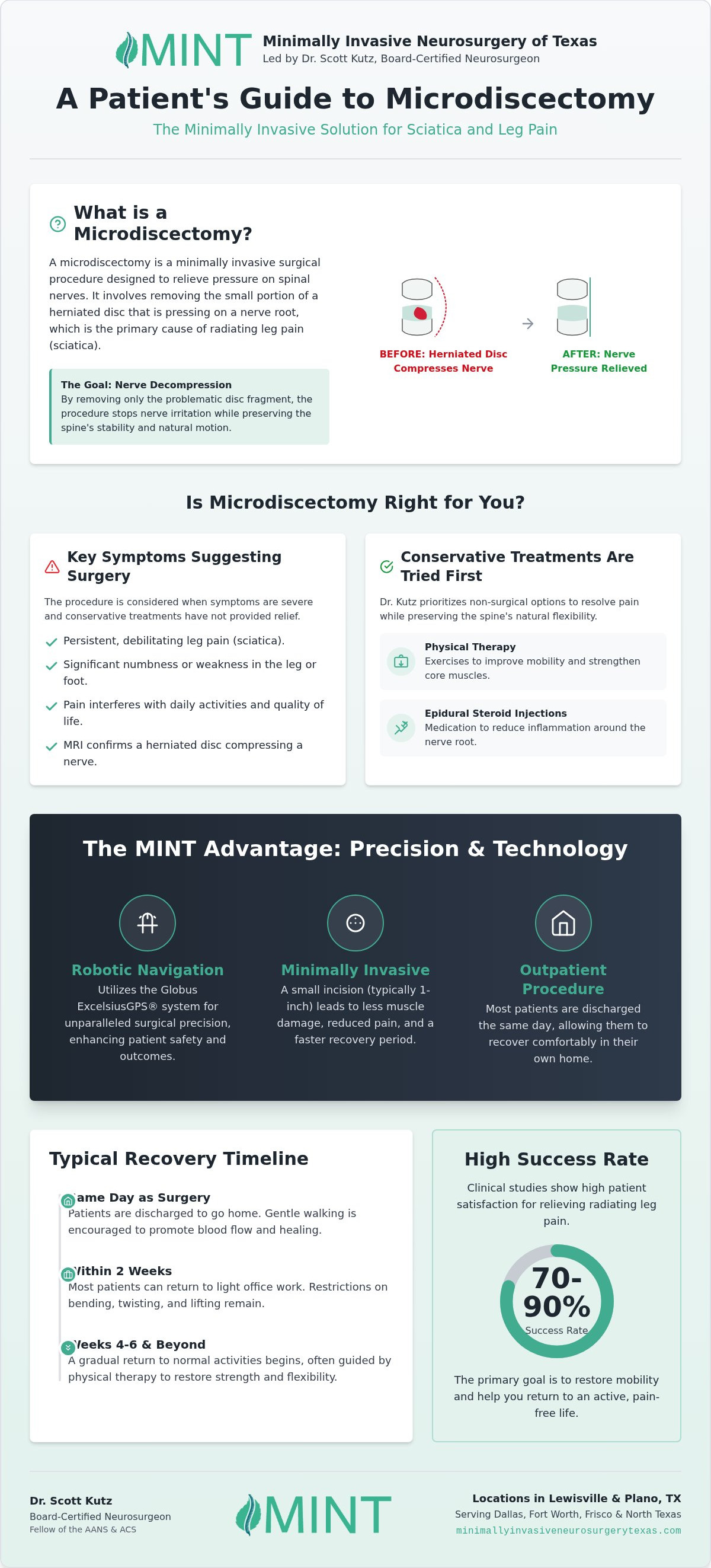
Minimally Invasive Neurosurgery of Texas (MINT) provides expert care under the leadership of Dr. Scott Kutz, a board-certified neurosurgeon. The practice offers the microdiscectomy Plano TX and Lewisville locations to treat patients suffering from spinal nerve compression. A microdiscectomy removes a small portion of a herniated disc, which is a spinal disc that has ruptured or bulged. When the soft inner material of a disc leaks out, it often presses against a nearby nerve root. This procedure relieves that physical pressure to eliminate pain and restore function in the lower back and legs.
To understand What is a microdiscectomy in a clinical context, you must look at the mechanics of the spine. The surgeon uses specialized tools to clear the path for the nerve, which immediately reduces the chemical and mechanical irritation. This targeted approach stops the cycle of inflammation that causes chronic discomfort. By removing only the problematic fragment, Dr. Kutz preserves the structural integrity of the remaining disc material. This precision ensures that the spine remains stable while the patient experiences relief from debilitating symptoms.
The Neurosurgical Advantage for Spine Care
Neurosurgeons possess specialized training in the delicate structures of the spinal cord and nerve roots. Dr. Scott Kutz applies over 20 years of experience to every surgical plan. You can learn more about his background on our about us page. Precision-driven treatment ensures that the surgeon preserves as much healthy tissue as possible. By utilizing minimally invasive spine techniques, Dr. Kutz reduces the physical impact of the surgery. This expertise allows for safer navigation around the central nervous system, which is the network of nerves that transmits signals between the brain and the rest of the body.
Treating Sciatica and Radiculopathy
Sciatica refers to pain that radiates along the path of the sciatic nerve from the lower back down each leg. Radiculopathy is a condition where a compressed nerve in the spine causes pain, numbness, or weakness in the extremities. Microdiscectomy serves as the gold standard for treating these conditions when conservative methods fail to provide relief. The surgery directly addresses the physical source of the radiculopathy. By clearing the nerve root, the surgeon allows the nerve to begin its natural healing process. Patients often notice a significant decrease in the sharp, electrical sensations that previously traveled down their legs.
Identifying Candidates for Microdiscectomy in Plano
Dr. Scott Kutz evaluates patients at his Plano and Lewisville offices to determine the exact source of their spinal pain. Not every patient with a herniated disc requires surgery. In fact, many individuals find relief through conservative treatments. These non-surgical options include physical therapy, which is a program of exercises to improve mobility, and epidural steroid injections, where a specialist injects medication directly into the spinal space to reduce inflammation. Dr. Kutz reviews diagnostic imaging like MRI, or Magnetic Resonance Imaging, scans to identify the precise location of the herniation before recommending a course of action.
The clinical team at MINT prioritizes motion-preserving options. These techniques aim to resolve pain while maintaining the natural flexibility of the spine. This focus helps patients return to their active North Texas lifestyles in cities like Allen, McKinney, and Southlake. Determining the right microdiscectomy Plano TX candidates involves a thorough physical exam and a review of the patient’s medical history. Patients from surrounding areas like Dallas, Fort Worth, and Flower Mound visit MINT for this specialized, boutique surgical experience.
Common Symptoms of a Herniated Disc
A herniated disc often presents with specific warning signs that indicate nerve irritation. You might experience persistent lower back pain that worsens when you sit or move in certain directions. Many candidates for microdiscectomy also report sharp electrical sensations. These sensations travel from the lower back, through the buttocks, and down into the leg. Some patients describe a “pins and needles” sensation or numbness in the foot and toes. These symptoms suggest that the disc material physically presses against a nerve root.
When Conservative Treatment is Not Enough
Most medical guidelines recommend six to twelve weeks of non-surgical care before you consider a surgical intervention. This period allows the body a chance to heal the disc naturally. However, if your pain remains severe or prevents you from performing daily activities, Dr. Kutz may recommend a minimally invasive procedure. Surgery becomes a necessary medical priority when nerve compression causes progressive muscle weakness. If you struggle to lift your foot or experience a loss of bladder or bowel control, you require immediate neurosurgical evaluation. These symptoms indicate a serious condition called cauda equina syndrome, which is a surgical emergency involving nerve roots that suffer from severe pressure. MINT focuses on patient-first communication to ensure you understand every treatment option. If you believe your symptoms require a professional evaluation, you can schedule a consultation at our Plano or Lewisville facility.
The MINT Surgical Approach: Precision and Technology
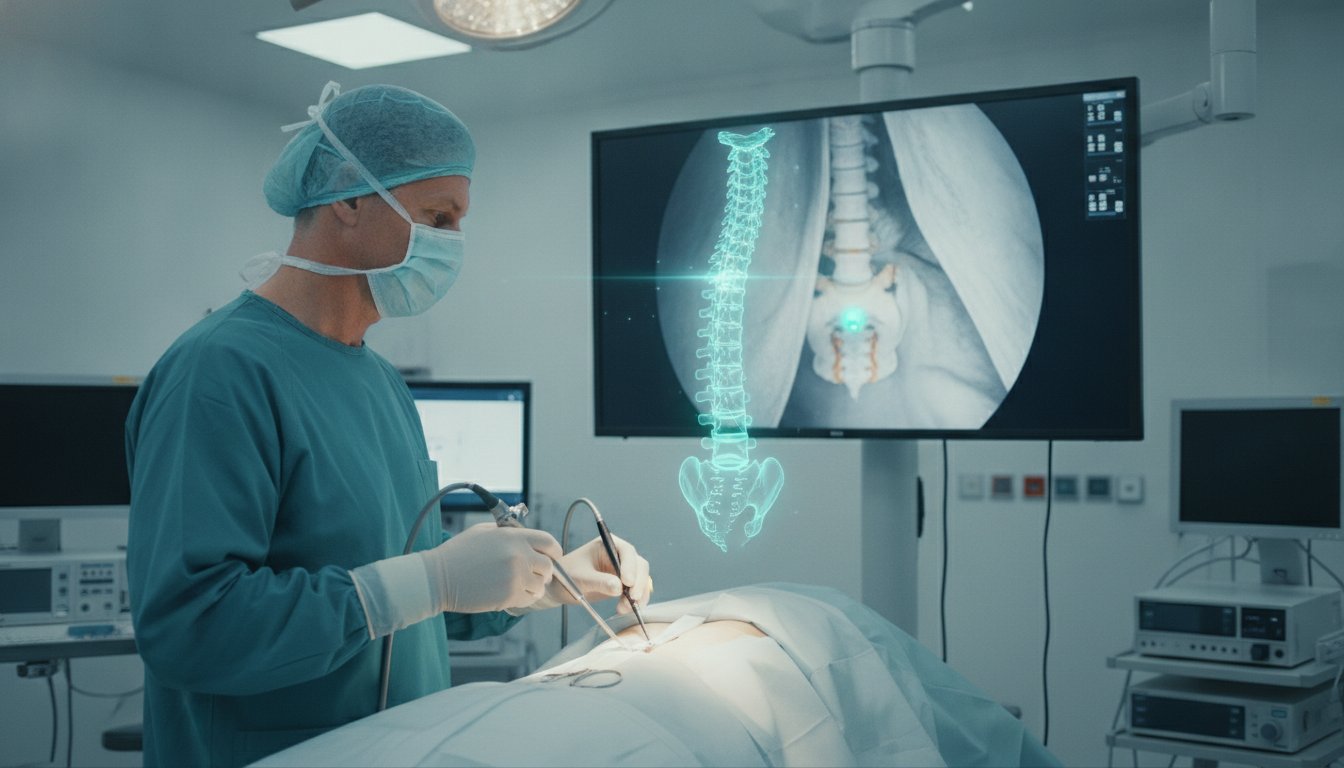
Dr. Scott Kutz utilizes the Globus Excelsius robotic navigation system to enhance surgical accuracy during every procedure. This technology functions like a GPS, or Global Positioning System, for the human spine. It allows the surgeon to map the patient’s unique anatomy before the first incision occurs. By combining this with Augmedics AR technology, which uses Augmented Reality to project a clear view of the spinal structures through the skin, the team achieves unparalleled precision. These tools allow Dr. Kutz to perform the microdiscectomy Plano TX patients rely on through incisions that measure less than one inch in length. Smaller incisions lead to less blood loss and a lower risk of post-operative infection, which is a complication where bacteria enter the surgical site.
Step-by-Step Procedure Guide
The surgical team first places the patient under general anesthesia, a state of deep sleep that ensures total comfort. Dr. Kutz then makes a small midline incision in the lower back directly over the affected disc. Rather than cutting through muscle, the surgeon uses specialized instruments to move the muscle tissue aside. This technique preserves the integrity of the supporting structures in the back. Once he reaches the spine, Dr. Kutz removes the specific piece of disc material that presses against the spinal nerve. You can read more about how microdiscectomy relieves pain by eliminating this mechanical pressure on the nerve roots. This targeted removal stops the cycle of inflammation and allows the nerve to begin healing immediately.
Robotic Navigation and Surgical Accuracy
Robotic systems provide a rigid, high-definition map of the patient’s spine during the operation. Precision planning reduces the time the patient spends in the operating room. This efficiency minimizes the duration of anesthesia and the exposure of internal tissues. Dr. Kutz maintains full control of the instruments throughout the entire process while the robot guides the optimal path for the surgical tools. This collaborative approach ensures that the surgeon removes only the damaged tissue while protecting the surrounding healthy nerves. This high-tech methodology distinguishes MINT from traditional practices that use larger, more invasive techniques. The integration of robotic guidance ensures that every movement remains within the pre-planned safety zones of the spinal column.
Recovery Timeline: Returning to Your Routine After Surgery
Most microdiscectomy Plano TX procedures at MINT occur on an outpatient basis. An outpatient procedure means you do not stay overnight in a hospital. Instead, you return home on the same day as your surgery to begin your recovery in a familiar environment. Dr. Scott Kutz encourages patients to walk as soon as the anesthesia wears off. Walking helps prevent deep vein thrombosis, which are blood clots that form in the legs, and promotes faster healing by increasing circulation. This early mobility serves as the first step in your journey back to a pain-free life. You can learn more about our patient-centered approach on the MINT homepage.
Dr. Kutz provides every patient with a personalized recovery plan. This guide focuses on a gradual return to normal activity while protecting the surgical site. The clinical team at MINT prioritizes your comfort and safety, ensuring you have clear instructions for managing the small incision and monitoring your symptoms. If you have questions about your specific timeline, you can contact our office to speak with a care coordinator.
The First Two Weeks Post-Surgery
Patients must strictly avoid heavy lifting, bending, or twisting during the initial healing phase. These movements can place excessive pressure on the disc that Dr. Kutz just treated. Most individuals return to light office work within one to two weeks, provided their job does not require physical labor. During this time, the surgical team monitors your progress through follow-up appointments at the MINT offices in Plano or Lewisville. These visits allow Dr. Kutz to verify that the nerve is healing correctly and that your mobility is improving as expected.
Long-Term Outcomes and Mobility
Full recovery typically occurs within six weeks as the nerves continue to heal from the previous compression. Patients often report immediate relief from the sharp, radiating leg pain they experienced before surgery. This relief happens because the procedure removes the physical obstruction pressing against the nerve root. Dr. Kutz emphasizes motion preservation to ensure long-term spinal health and stability. By using minimally invasive spine techniques, he avoids the extensive tissue damage associated with traditional back surgery. This approach helps you maintain the natural flexibility of your spine, which prevents future issues in adjacent spinal segments. You can view testimonials from other North Texas residents who have successfully returned to their active routines after treatment at MINT.
Dr. Scott Kutz, a board-certified neurosurgeon, leads Minimally Invasive Neurosurgery of Texas (MINT). MINT provides microdiscectomy and other minimally invasive procedures at its primary locations in Lewisville and Plano, TX. Dr. Kutz focuses on motion-preserving techniques to help patients across North Texas return to their active lifestyles.
Choosing Dr. Scott Kutz for Your Spine Care in Plano
Dr. Scott Kutz provides a level of precision that distinguishes his practice from general orthopedic spine centers. As a board-certified neurosurgeon, he completed specialized fellowship training in functional neurosurgery, which is a branch of surgery focusing on restoring the function of the nervous system. He maintains status as a Fellow of the American Association of Neurological Surgeons (AANS) and the American College of Surgeons (ACS). These credentials signify a commitment to the highest standards of surgical excellence. Patients seeking a microdiscectomy Plano TX can trust that Dr. Kutz applies evidence-based care to every case. He ensures every patient understands their diagnosis and the mechanical cause of their pain before he proceeds with a surgical plan.
The clinical staff at MINT treats every patient like a person, not just a diagnosis or a chart number. This boutique surgical experience avoids the cold, impersonal atmosphere of large hospital systems. You receive direct attention from a specialist who understands the physical and emotional impact of chronic back pain. Dr. Kutz prioritizes your quality of life, focusing on treatments that resolve symptoms while minimizing the impact on your body. This philosophy ensures that you feel supported throughout your entire journey toward recovery.
Personalized Care at MINT
Successful outcomes begin with trust and clear communication. The team at MINT creates an environment where you can ask questions and express your concerns freely. Our staff coordinates every detail of your care to ensure a smooth process from your first consultation to your final follow-up. Read our patient testimonials to see real results from Plano residents who regained their mobility through our specialized care. We focus on the relief of suffering and the restoration of your daily activities.
Convenient Locations in Plano and Lewisville
MINT serves patients across North Texas, including Dallas, Addison, and McKinney. The Plano office provides easy access for residents of Frisco, Allen, and McKinney who need specialized neurosurgical consultations. While the Plano satellite office offers convenience for North Texas residents, the Lewisville headquarters serves as the primary hub for advanced minimally invasive procedures. This facility houses the high-tech robotic systems that allow for faster recovery times and better clinical outcomes. You can learn more about our minimally invasive spine techniques here. Dr. Kutz and his team remain dedicated to helping you achieve a full return to your normal daily activities through modern innovation and compassionate care.
Take the Next Step Toward Lasting Relief
Living with radiating leg pain or numbness doesn’t have to be your permanent reality. A microdiscectomy offers a proven path to relief by removing the specific disc material that irritates your spinal nerves. Dr. Scott Kutz, who is board-certified by the American Board of Neurological Surgery, utilizes advanced robotic navigation to ensure the highest level of precision. With over 20 years of clinical experience and his status as a Fellow of the AANS and ACS, he provides the expert care you need for a successful outcome.
By choosing the microdiscectomy Plano TX residents trust for specialized spine care, you benefit from smaller incisions and a faster recovery timeline. Most patients return home the same day and resume their favorite activities within weeks. You deserve a healthcare partner who combines technical mastery with a compassionate, patient-centered approach to healing. Don’t let chronic pain dictate your future any longer.
Schedule your consultation with Dr. Scott Kutz at MINT today to discuss your diagnosis and explore your treatment options. We look forward to helping you reclaim your mobility and comfort.
Frequently Asked Questions
How long does a microdiscectomy procedure take?
A microdiscectomy procedure typically takes between one and two hours to complete. The exact duration depends on the complexity of the herniation and the patient’s specific anatomy. Dr. Scott Kutz uses the Globus Excelsius robotic navigation system to map the spine before surgery, which helps streamline the process. This precision planning reduces the time you spend under general anesthesia, which is a state of deep sleep used during the operation.
Is a microdiscectomy a major surgery?
Medical professionals classify microdiscectomy as a minimally invasive spine surgery rather than a major open procedure. Traditional back surgery requires large incisions and significant muscle disruption. In contrast, Dr. Kutz makes a small incision, usually less than one inch, and moves muscle tissue aside instead of cutting it. This approach reduces blood loss and minimizes the physical impact on your body, allowing most patients to recover at home on the same day.
What is the success rate of microdiscectomy for herniated discs?
Clinical research indicates that microdiscectomy has a success rate between 70% and 90% for providing significant relief from leg pain. Patients often experience immediate improvement in sciatica, which is pain that radiates down the leg from a compressed nerve. While success rates remain high, long-term outcomes depend on following your personalized recovery plan. Dr. Kutz focuses on motion-preserving techniques to ensure your spine remains stable and functional after he removes the damaged disc material.
Can a disc herniate again after a microdiscectomy?
A disc can herniate again at the same location, a condition known as recurrent disc herniation. Research suggests this occurs in approximately 5% to 15% of patients within ten years after the initial procedure. To minimize this risk, you must avoid heavy lifting and twisting during the first six weeks of healing. Dr. Kutz provides specific post-operative guidelines to protect your spinal health and reduce the chances of future nerve compression at the surgical site.
When can I drive after having a microdiscectomy in Plano?
Most patients can resume driving within one to two weeks after a microdiscectomy Plano TX procedure. You must meet two specific criteria before returning to the driver’s seat: you must no longer take narcotic pain medications and you must feel comfortable making sudden movements. Narcotic medications impair your reaction time and judgment. Dr. Kutz will evaluate your mobility during your first follow-up appointment to ensure you can safely operate a vehicle in North Texas traffic.
Does insurance cover minimally invasive microdiscectomy?
Most major insurance providers cover minimally invasive microdiscectomy when a doctor deems it medically necessary. This necessity usually arises after you complete six to twelve weeks of conservative treatments, such as physical therapy, without sufficient improvement. The administrative team at MINT works with various insurance companies to verify your coverage and explain your benefits. We recommend contacting your provider directly to understand any specific requirements or out-of-pocket costs associated with your spine surgery.
What happens if I leave a herniated disc untreated?
Leaving a herniated disc untreated can lead to chronic nerve pain and permanent neurological damage. Over time, constant pressure on a nerve root may cause progressive muscle weakness or a loss of sensation in your legs and feet. In rare cases, severe compression can trigger cauda equina syndrome, which is a medical emergency that affects bladder and bowel control. Seeking an evaluation from a board-certified neurosurgeon like Dr. Kutz helps prevent these long-term complications and preserves your mobility.
How soon can I exercise after my spine surgery?
You should begin walking immediately after your surgery to promote circulation and healing. However, you must avoid strenuous exercise, such as running or weightlifting, for at least six weeks. Dr. Kutz typically allows patients to begin light, low-impact activities like stationary cycling after the first two to four weeks. A full return to all physical activities usually occurs between six and twelve weeks post-surgery, once the surgical site and nerves have fully stabilized.